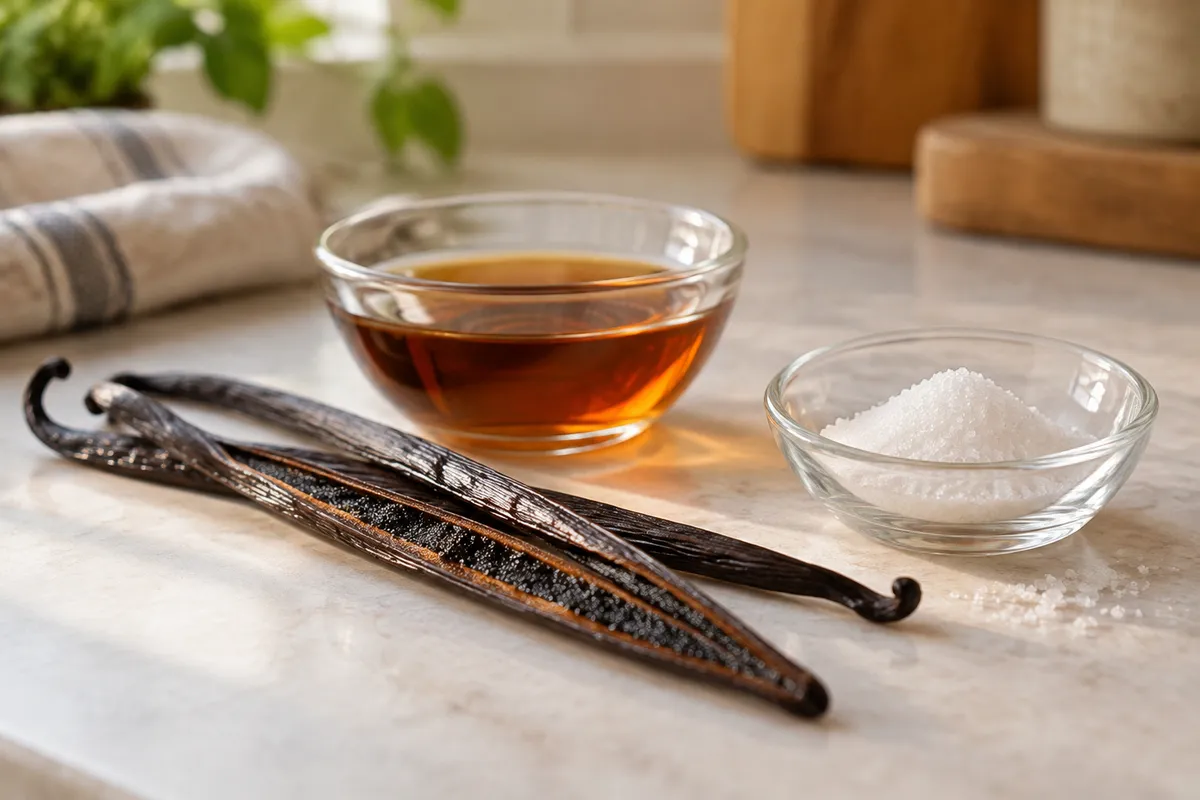
A new scientific review has people talking about vanilla in a way you probably didn't expect: as a possible ingredient in future wound care. Per Women's Health, researchers say vanillin, the compound behind vanilla's flavor and scent, may have potential in wound-healing materials because of its antioxidant, anti-inflammatory, and antibacterial properties.
Here's the practical payoff. By the end of this piece, you'll know what that finding actually says, why it doesn't mean you should dab extract on a cut, and how to treat vanilla as the useful pantry staple it already is.
What the research actually suggests
The review points to vanillin as a candidate for wound-healing materials, meaning engineered products such as dressings. The interest comes from three properties attributed to the compound: antioxidant, anti-inflammatory, and antibacterial.
Notice the word "potential." This is a look at what vanillin might contribute to a future medical product, not proof that a bottle in your cupboard heals anything. Women's Health stresses that the formulations would need to be medically designed and tested.
Why you should not put vanilla extract on a cut
This is the part worth repeating, because the headline version of this story is easy to misread.
- Vanillin is not the same as vanilla extract. Vanillin is one compound. Extract is a flavoring product made for food, not a sterile, tested wound treatment.
- Medical use needs design and testing. Per Women's Health, any wound-care application would require formulations built and tested for that purpose.
- Your kitchen isn't a lab. I can't tell you what's in a given bottle beyond what its label says, and that uncertainty is exactly why you shouldn't improvise first aid with it.
For a cut, stick with ordinary wound care: clean it, cover it, and see a medical professional if it's serious or looks infected.
Why researchers look at food compounds
The broader story is that scientists are re-examining familiar flavor and scent compounds for medical uses, partly in the search for affordable, accessible ways to improve wound care. A molecule people already know and produce widely is an appealing starting point.
It's a good reminder that ingredients can do more than season a dish. It's also a reminder that "has interesting properties in a lab-designed material" and "good to rub on your body" are very different claims.
What this means for your Paleo pantry
Nothing in this research changes how you should cook. It doesn't tell you vanilla is a health food or that you should use more of it. What it does give you is a reason to take a fresh look at a pantry staple that does quiet work in Paleo cooking.
Vanilla is one of the easiest ways to make fruit-based desserts and baking taste sweeter without leaning on much refined sugar. That's a taste trick, and it's my take, not a finding from the review.
Easy ways to use it
- Baked fruit: Add a splash of vanilla to sliced apples or pears with cinnamon before roasting.
- Berry bowls: Stir a little into mashed berries or a coconut yogurt alternative.
- Paleo baking: Add it to almond-flour muffins or banana pancakes, where it rounds out the flavor.
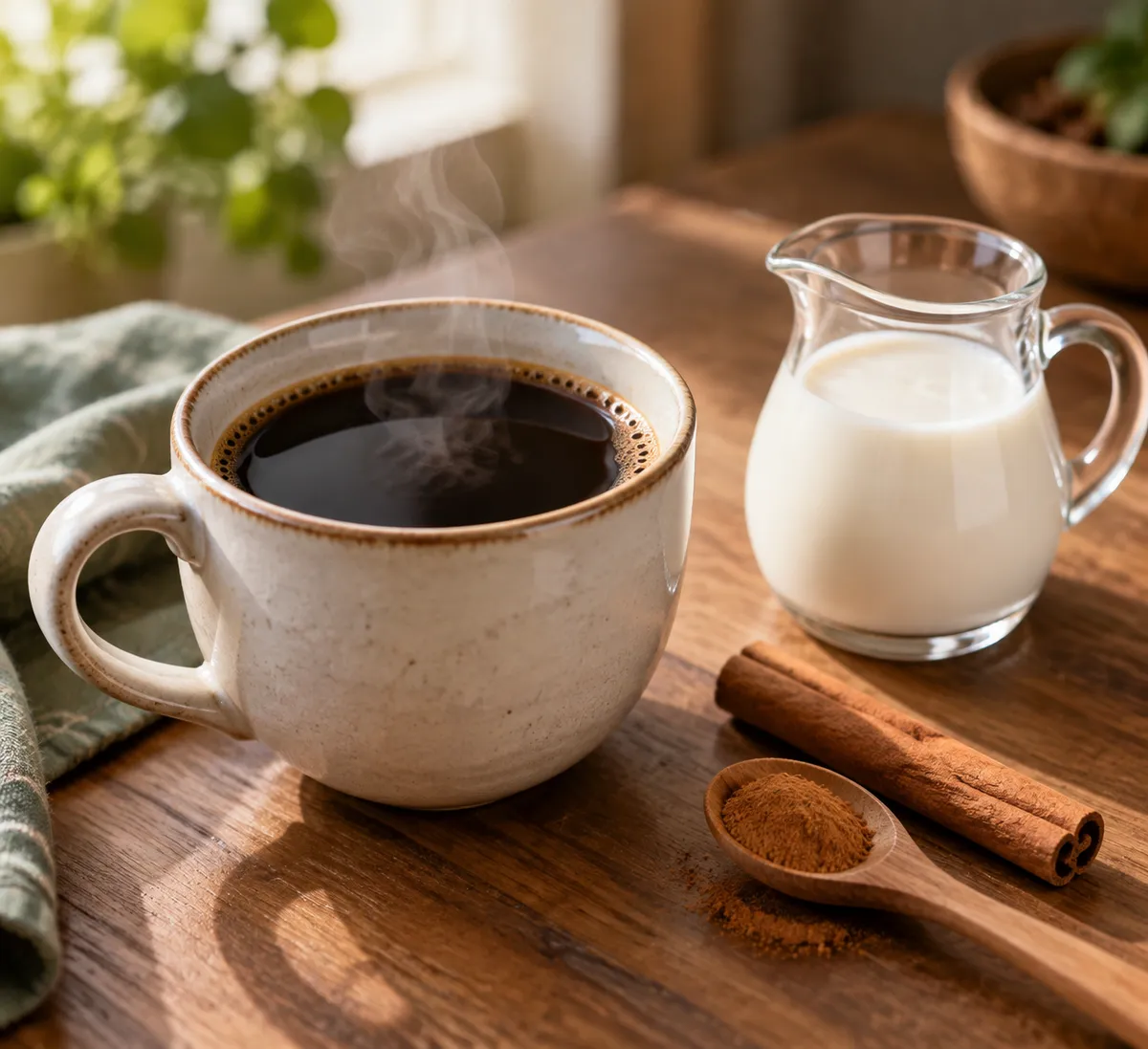
- Warm drinks: A drop in a mug of warmed nut milk makes it taste like a treat.
Read the label
Check the ingredient list when you buy. A short list is easier to fit into a Paleo kitchen than one padded with added sweeteners. Because the compound at the center of this research is vanillin, you may also see "vanillin" or "artificial vanilla flavor" on bottles. Choose whichever fits your preferences; the research doesn't rank them.
How to read the next surprising food headline
When a story says an everyday ingredient could be good for you, run three quick checks:
- Is it the whole food or one compound? Vanillin is not vanilla extract.
- Is it a finished treatment or a possibility? "May have potential" is a research direction.
- Who would make and test it? If the answer is "a medical team," don't try it at home.
The takeaway
Keep vanilla in the pantry for what it does well, which is making simple, fruit-forward Paleo treats taste good, and leave wound care to products designed and tested for it.