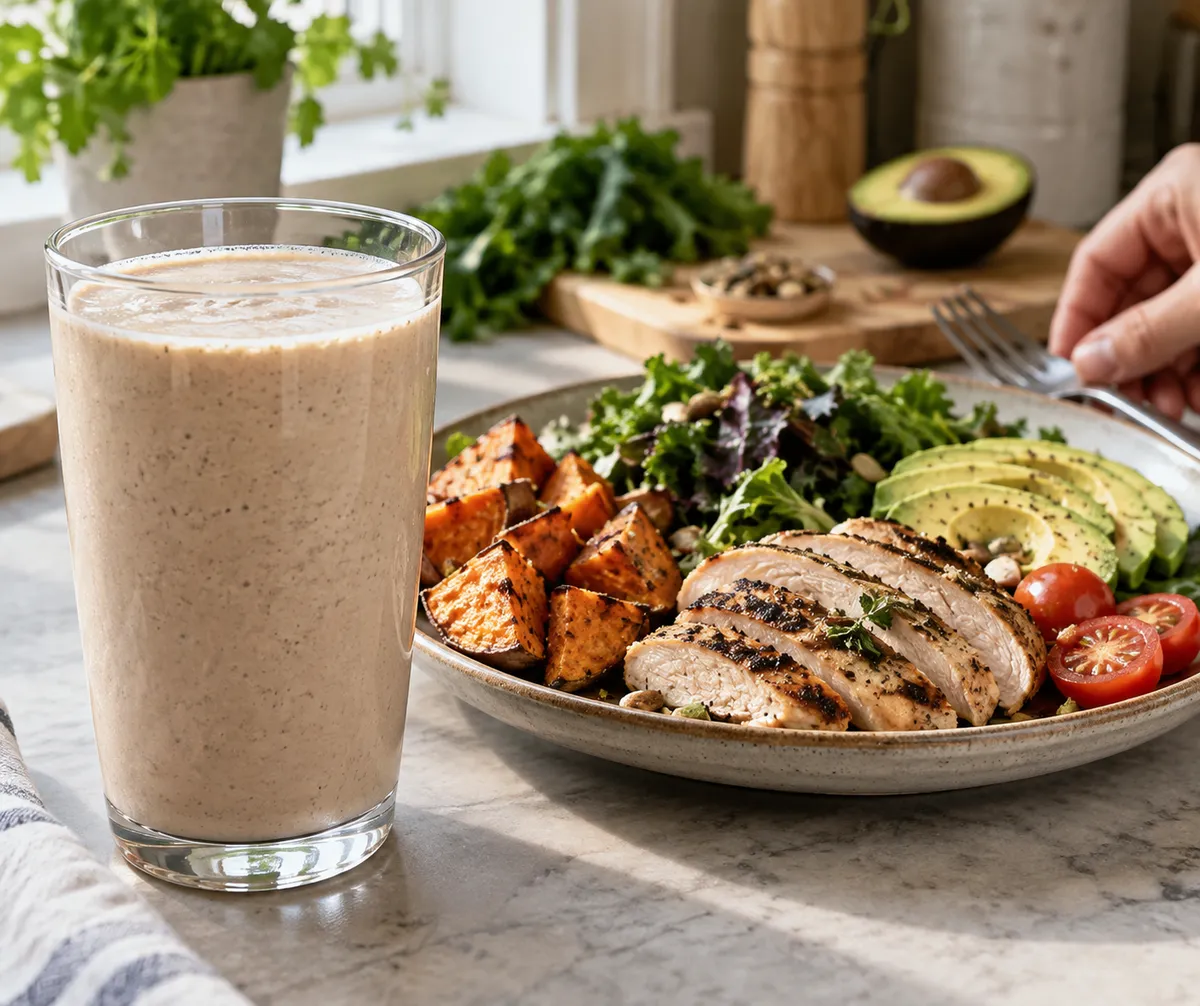
Busy mornings, tight budgets and a long day of meetings are the moments when a shake starts to look like lunch. Womenshealthmag recently ran a dietitian-guided look at meal replacement shakes and powders, asking whether they can actually replace a meal. This guide takes that conversation and applies a Paleo lens: when a shake is a reasonable backup, what to check on the label, and how to keep real food as your default.
A quick caveat first. The source piece covers what the dietitian says about nutrition and names a few products. It doesn't judge any product by Paleo standards, and I can't tell you from that reporting whether a given shake fits your plan. You'll need to read the ingredient list yourself. That's the skill worth building here.
Meal Replacement vs. Protein Powder
Per Womenshealthmag, the dietitian draws a clear line between the two. A meal replacement is meant to stand in for a meal, so it needs to deliver more than protein. A protein powder is generally a supplement to something else.
That difference matters in practice. If you blend a scoop of protein powder with water and call it breakfast, you've likely had protein and little else. A meal-worthy product should give you a meaningful mix of calories, protein and fiber.
What to Check on the Label
The coverage points to the same handful of factors when choosing a shake: calories, protein, fiber, ingredients and how you'll actually use it. Here's how to put those into practice.
Calories
A real meal usually carries more energy than a snack. If a shake is light on calories, treat it as a snack or plan to add food to it (more on that below).
Protein and fiber
These two are what keep a meal feeling like a meal. Look for both on the label, not just a big protein number. A shake with lots of protein and almost no fiber may leave you hungry sooner.
Ingredients
This is where Paleo readers need to slow down. Scan the list for dairy, grains, legumes, soy and added sugars, and decide what your own rules allow. Plant-based shakes often rely on pea or other legume proteins, for example, which strict Paleo eaters typically avoid. Whether that's a dealbreaker is your call.
The source also flags that some ingredients can cause bloating, so if a shake leaves you uncomfortable, the ingredient list is the first place to look.
Real-life use
Be honest about when you'll drink it. A ready-to-drink bottle that lives in your bag is a different tool from a powder you need a blender for.
The Products Named in the Source
Womenshealthmag's picks were:
- Best Overall: Huel Black Edition Ready-to-Drink
- Best Powder: Ka'Chava Superblend Shake
- Best Allergen-Friendly: OWYN Plant-Based Protein Drink
I don't have the nutrition numbers or full ingredient lists from that coverage, so I won't quote them. Pull up each label and run it through the checklist above before buying. Don't assume a "best" label means it matches Paleo rules; these picks were chosen on general nutrition grounds.
Turn a Light Shake Into a Real Meal
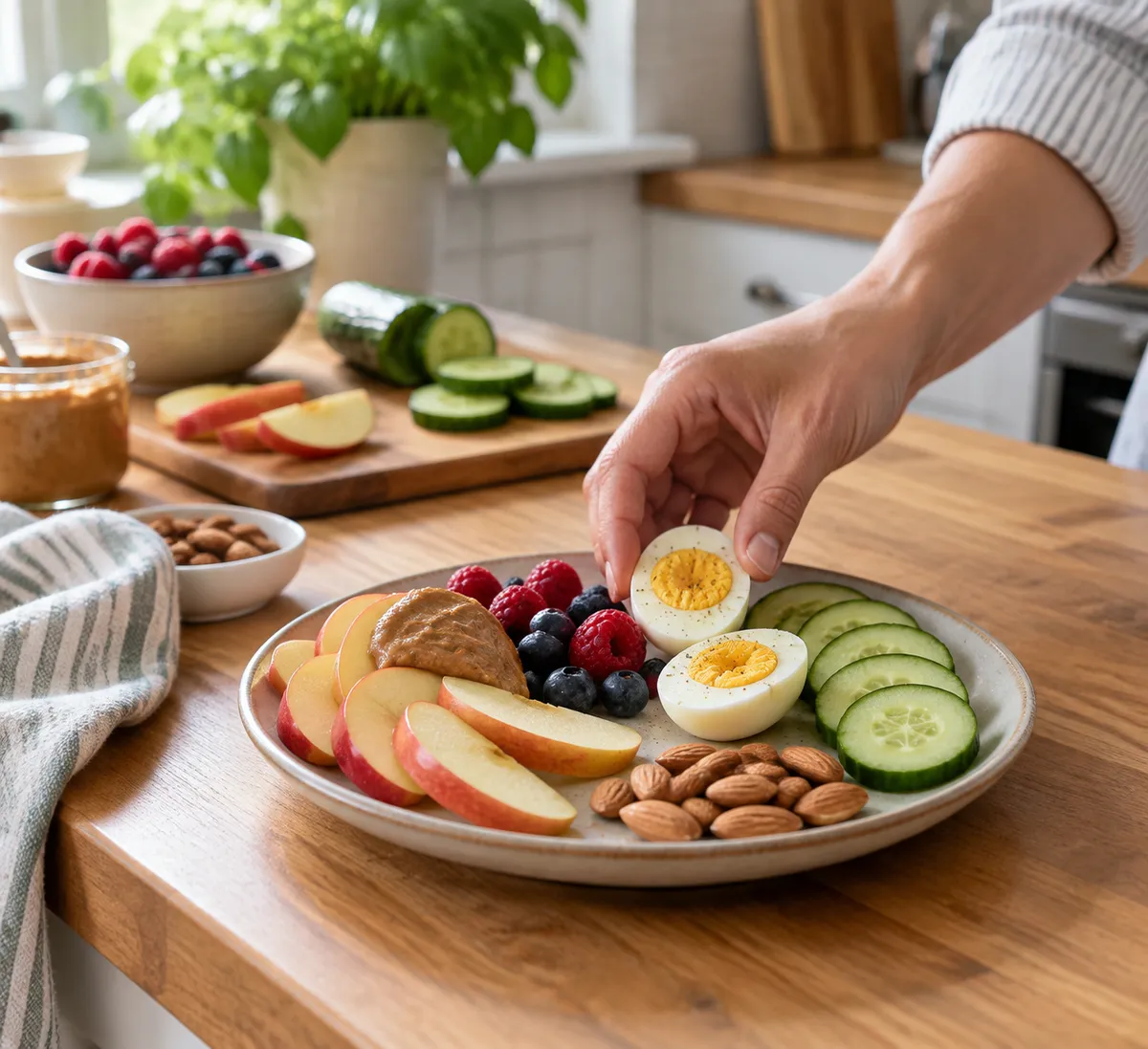
If your shake comes up short on calories or fiber, you can fill the gap with whole foods. These are my suggestions, not claims from the source:
- A handful of nuts or a spoonful of nut butter for staying power.
- Half an avocado, blended in or on the side, for creaminess and fat.
- Berries or a banana for fiber and natural sweetness.
- Hard-boiled eggs as a portable protein add-on.
- Cut vegetables with guacamole if you want something to chew.
Check how each add-in sits with your own plan, and remember that adding food changes the totals, so a shake plus extras is no longer the product on the label.
When a Shake Makes Sense (and When It Doesn't)
The appeal is easy to see. The coverage points to busy schedules and rising food costs pushing people toward convenient options, especially if the alternative is skipping a meal or grabbing takeout. In that scenario, a decent shake can beat nothing.
But it's a backup, not a foundation. Real meals give you variety, texture and fiber from whole foods, which a powder can only approximate. If you find yourself relying on shakes most days, that's a sign to batch-cook instead.
A simple backup plan
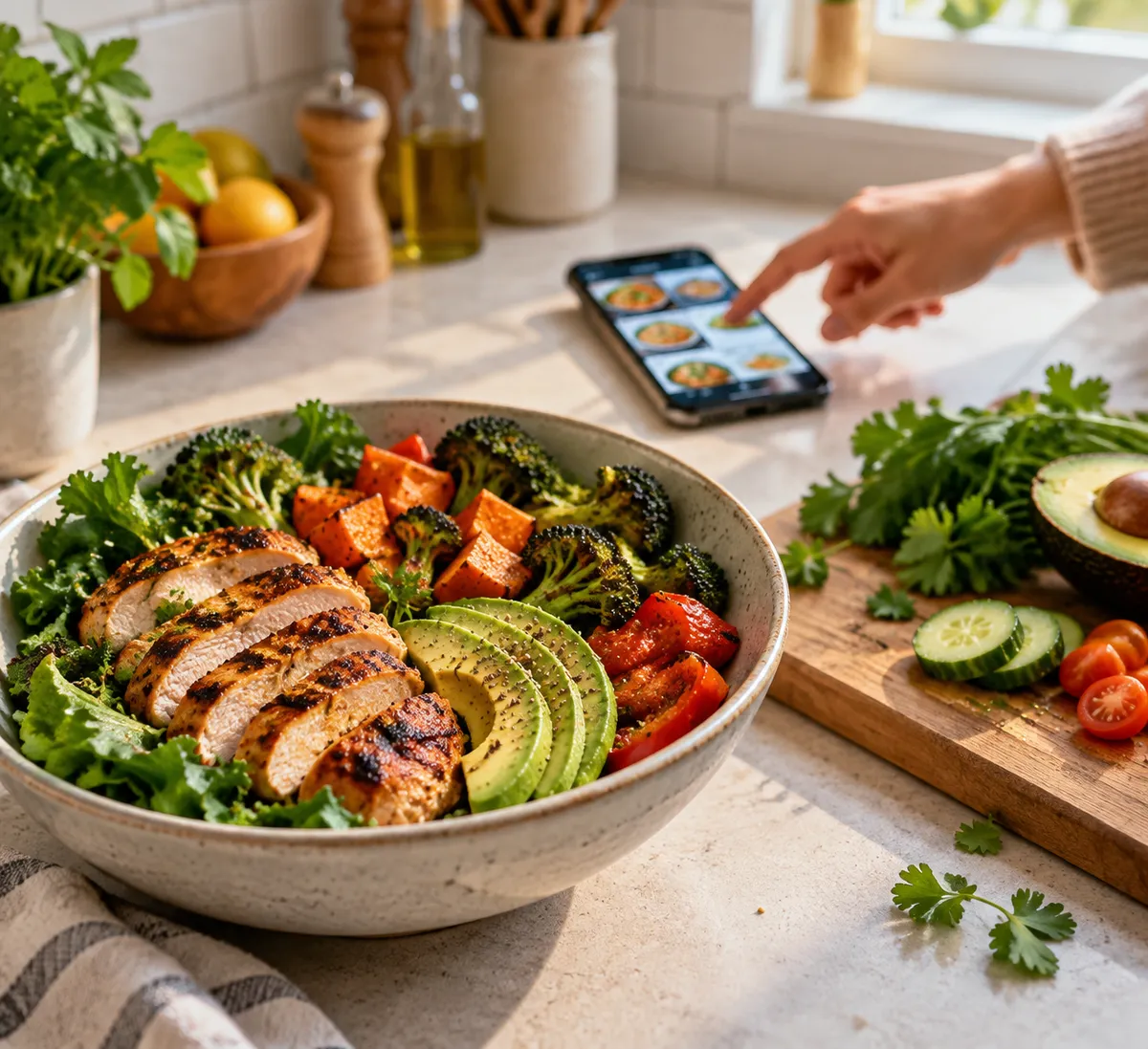
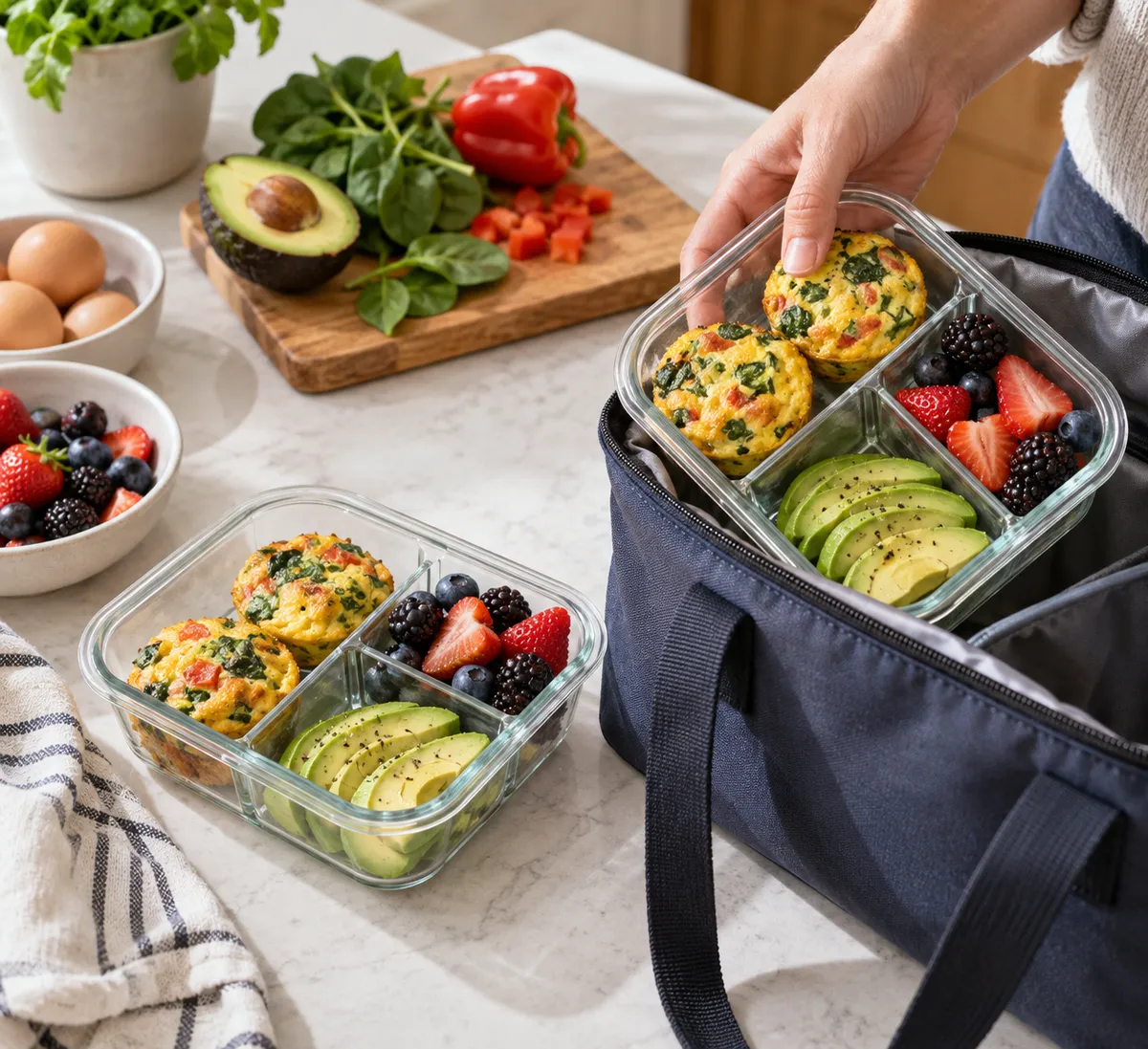
- Cook a double batch of a one-pan dinner (chicken thighs and roasted vegetables works) and portion the leftovers into containers.
- Keep a few hard-boiled eggs and a bag of nuts in the fridge and pantry.
- Stash one shake you've vetted for emergencies only.
That way the shake covers the day everything goes wrong, not every day.
Your Next Step
Before you buy any shake, flip the package over and read the ingredient list first and the protein number second. If it passes your rules and gives you real calories, protein and fiber, keep it as a backup. If not, make the leftovers.