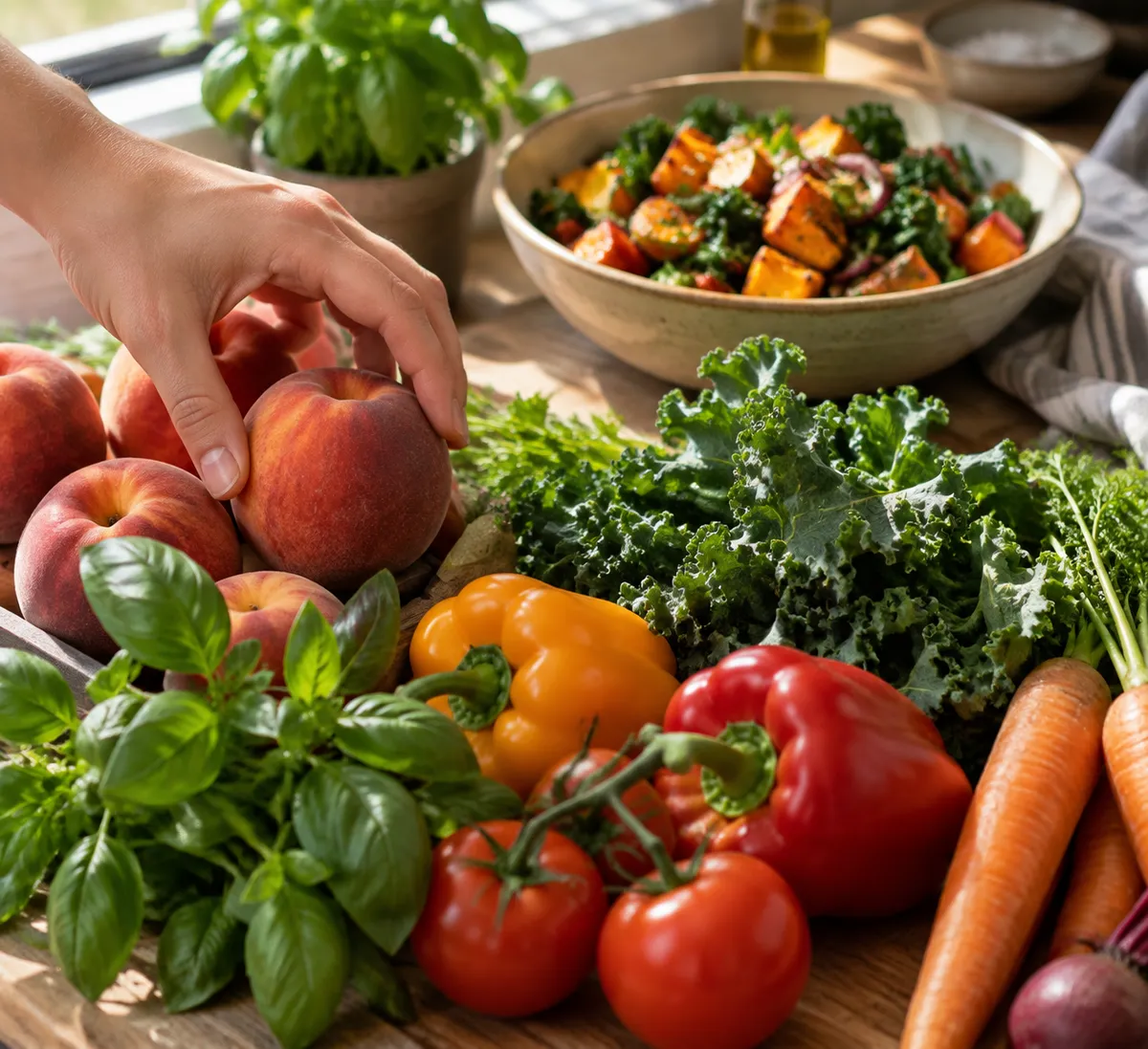
Most Paleo meals live or die by the produce. When your plate is built on vegetables, fruit, herbs and good protein, there's no bread or sauce to hide behind. That's why a tip from cookbook author Carmen Perr is worth borrowing: better home cooking starts before you enter the kitchen.
Perr is the Los Angeles-based author of "Cook What Grows." In her shopping advice, as reported by Fox News, she points to three things to pay attention to when choosing fruits, vegetables and herbs: texture, color and aroma. Below is how to put those three cues to work on your next market or grocery run. The specific checks are my own practical suggestions built on her framework, not direct claims from her.
Why the shopping trip matters as much as the recipe
A recipe can only work with what you bring home. A sweet, fragrant tomato needs little more than salt and olive oil. A dull one needs a lot of rescuing. Choosing well means simpler cooking, which suits Paleo meals built around whole ingredients.
It also helps your budget and your waste. If you pick produce you'll actually use at its best, less ends up wilted in the back of the fridge. And it builds confidence: you're judging ingredients with your own senses instead of relying only on labels or a recipe's instructions.
Use texture: let your hands do the checking
Texture tells you a lot about freshness and ripeness. Here are practical ways to use it (my suggestions, not Perr's quotes):
- Leafy greens and herbs: Look for leaves that feel crisp or springy rather than limp or slimy.
- Fruit: Hold it gently. Ripe fruit usually has a little give without feeling mushy.
- Root vegetables and squash: They should feel firm and solid, not soft or spongy.
- Peppers and cucumbers: Aim for tight, smooth skin that feels taut.
Be gentle. Squeezing everything bruises it for the next shopper, and for you if you buy it.
Use color: look for vivid, even tones
Color is the quickest filter, and you can use it from a few feet away.
- Rich, deep color generally signals produce at its prime. Pale or washed-out patches can mean it was picked early or has sat too long.
- Yellowing greens on broccoli, herbs or leafy vegetables are a sign they're past their best.
- Dark, sunken spots on fruit or vegetables are worth a second look before they go in your bag.
Color isn't a perfect guide alone. Some fruit looks beautiful and tastes flat, which is where the next cue comes in.
Use aroma: your nose is the best tiebreaker
Aroma is the cue people skip, and it may be the most useful for herbs and fruit. Basil, mint, cilantro and rosemary should smell like themselves when you lean in. If you can barely smell a bunch of herbs, you'll likely taste little of them in the pan.
Try the same with stone fruit, melons, tomatoes and citrus. A sweet, fruity smell near the stem end often signals flavor. A sour, fermented or musty smell is a signal to put it back.
Put it together: a quick market routine
Here's a simple way to combine all three cues without turning shopping into a chore:
- Scan by color first. Narrow your choices from across the table.
- Pick up two or three candidates. Check texture by feel.
- Smell before you buy. Use aroma to break ties between close options.
- Buy for the next few days. Choose a mix of ripe-now and ripen-later items so the week's meals stay flexible.
Turn good produce into easy Paleo meals
Once you've brought home ingredients that taste like something, keep the cooking simple:
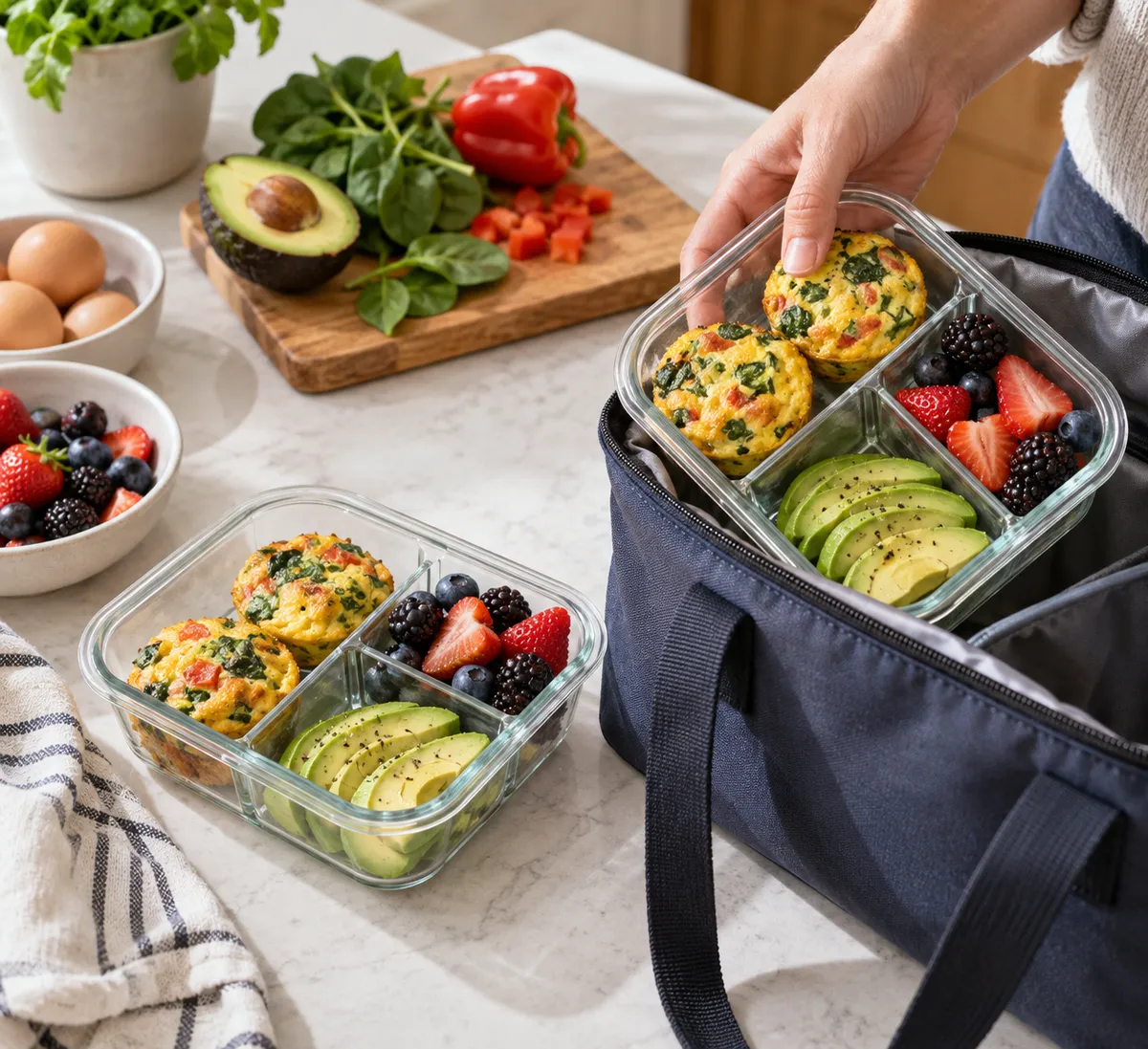
- Quick breakfast: Sauté seasonal vegetables with eggs and finish with torn fresh herbs.
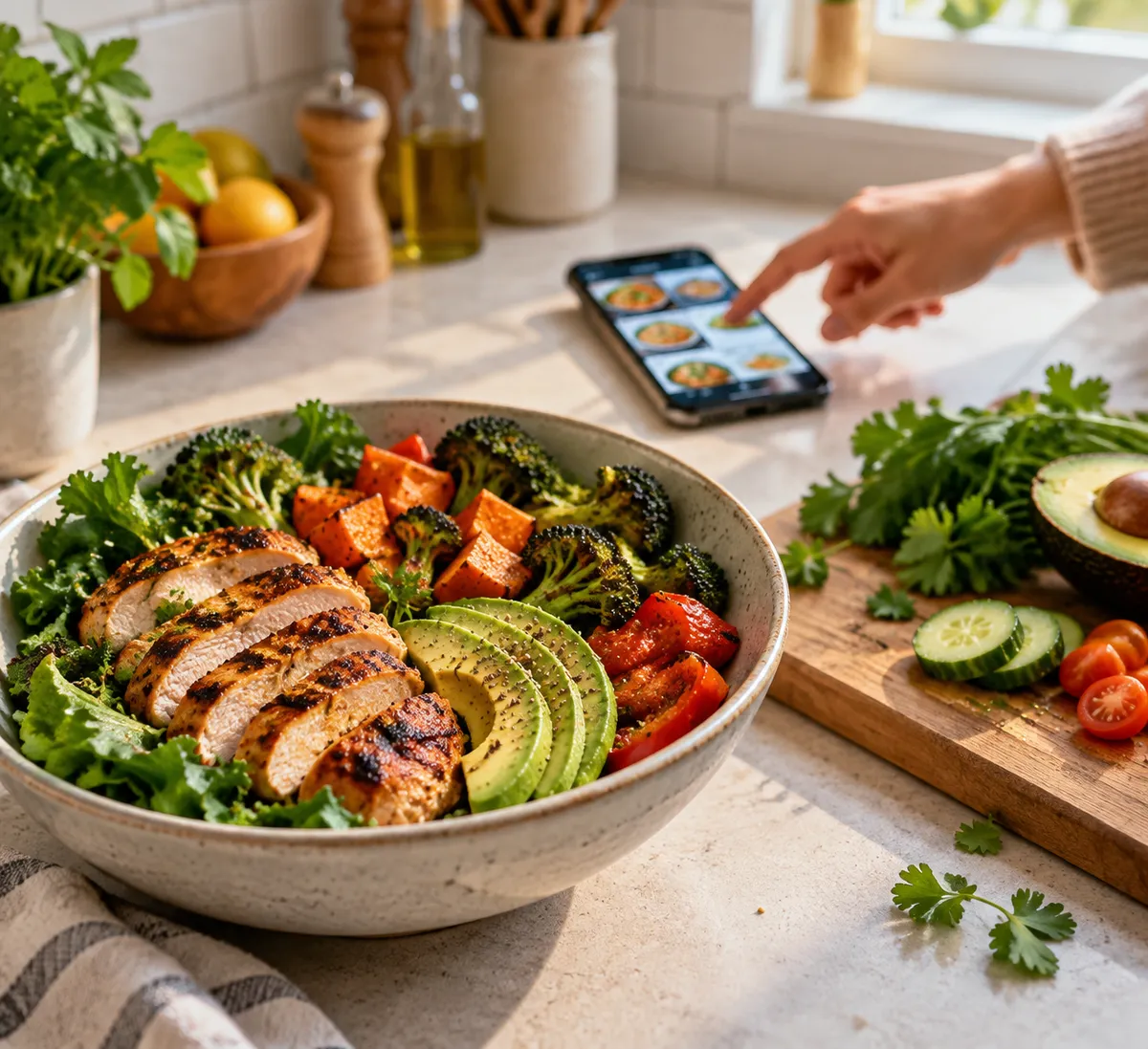
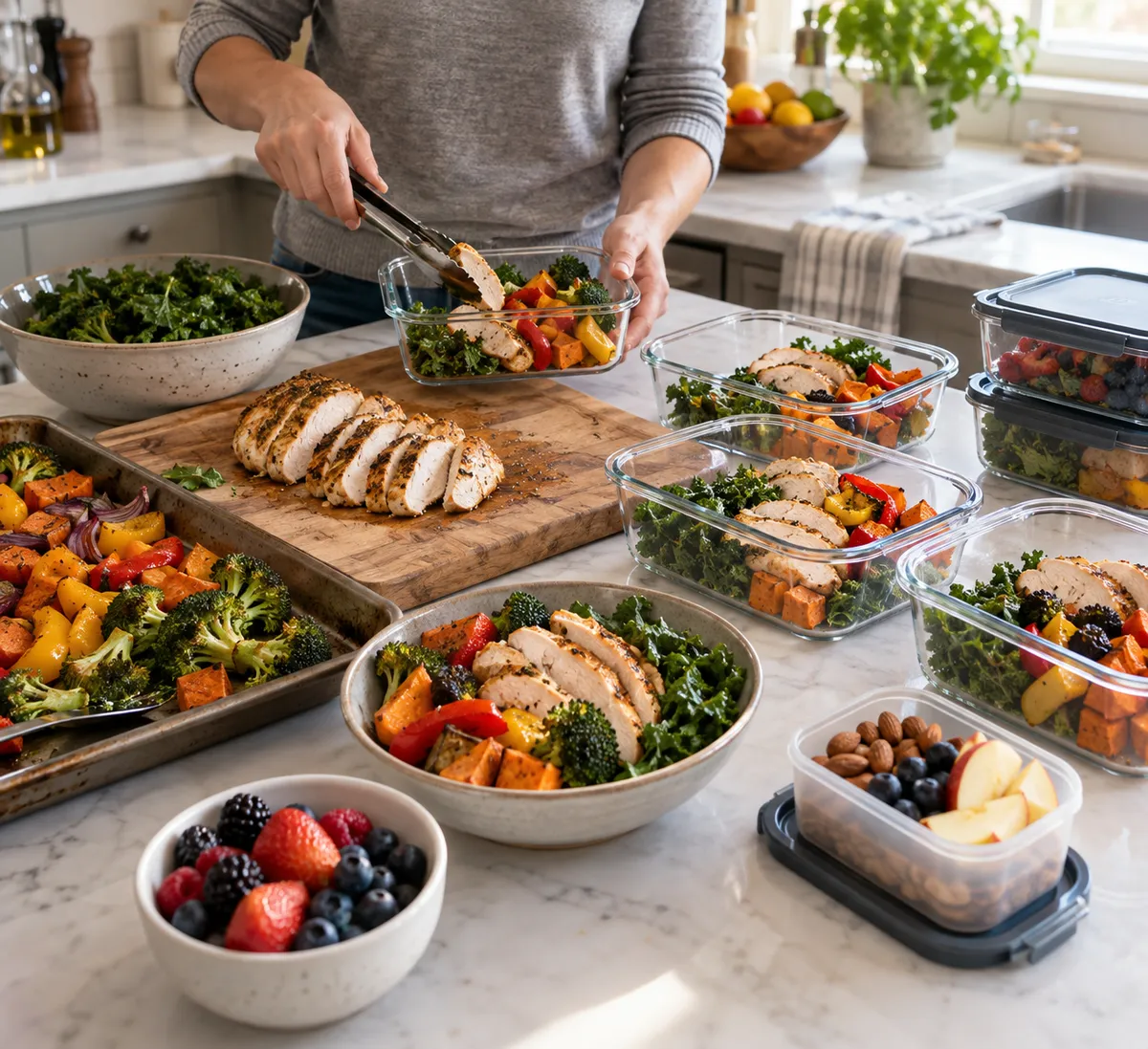
- One-pan dinner: Roast chopped vegetables and a protein on one sheet pan with olive oil and salt.
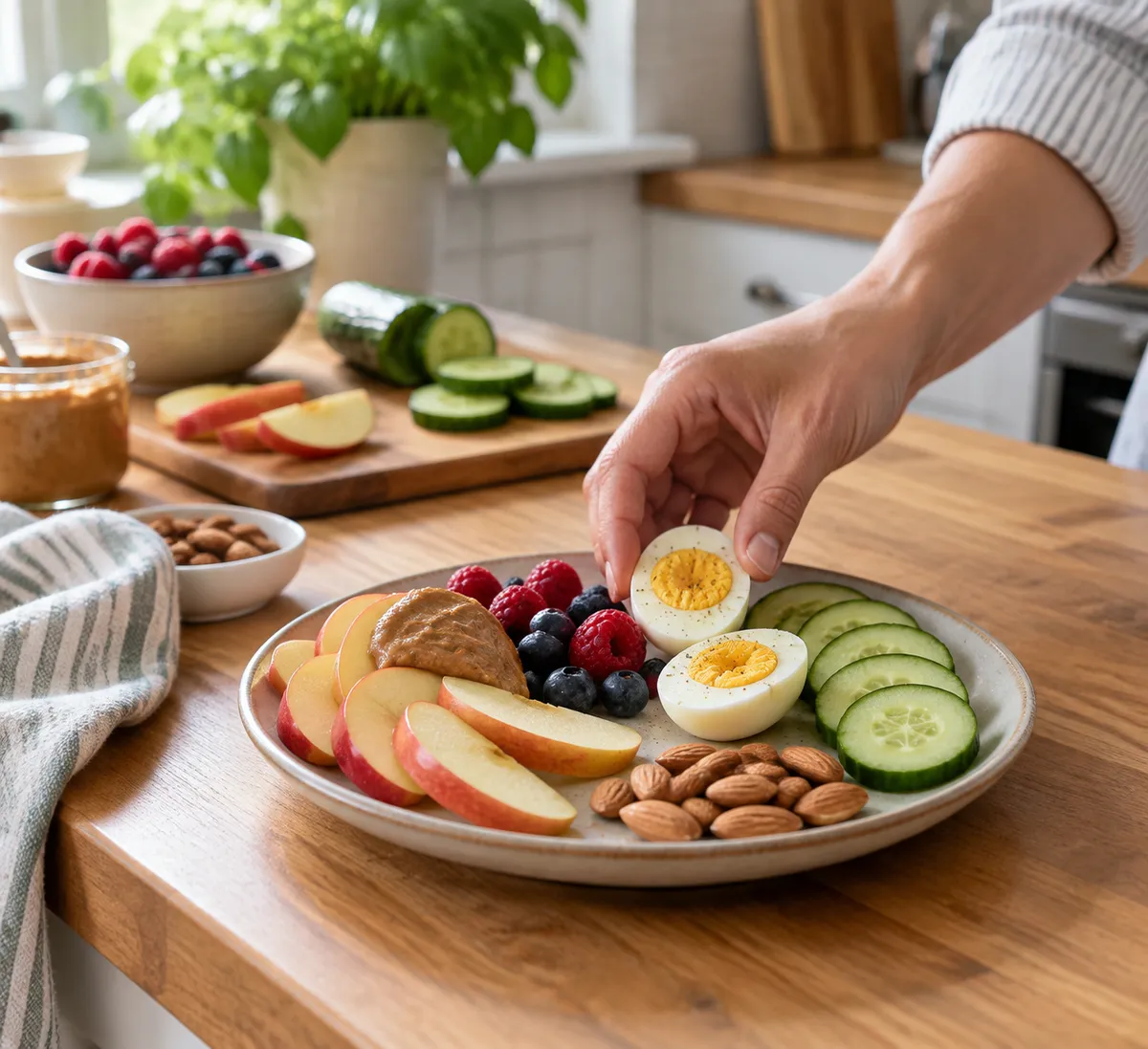
- Snack: Slice ripe fruit and serve with a handful of nuts.
- Soup: Simmer tender vegetables in broth and top with fragrant herbs.
Fresh, flavorful ingredients let you use fewer add-ons, which also makes dairy-free and refined-sugar-free cooking easier. Ripe fruit brings its own sweetness, so you may find you reach for less sweetener.
Takeaway
Next time you shop, slow down for ten seconds per item: look at the color, feel the texture, and smell it. Do that, and dinner is already halfway made.