School, work, activities, and household chores keep piling up, and dinner is usually the first thing to suffer. Parenting expert Ericka Souter recently shared practical ways to save time, stay organized, and protect family time, per a report from Dayton247now. The framing is useful for the kitchen: families don't need a total lifestyle overhaul, they need small systems that reduce daily stress.
This guide applies that idea to Paleo cooking. By the end, you'll have a simple weekly rhythm, a few flexible meals, and some swaps that keep school nights and activity days manageable.
One note on sourcing: the report doesn't give food-specific advice. The meal ideas below are my own suggestions, built around the theme of small systems that save time.
Start With One Prep Hour, Not a Full Prep Day
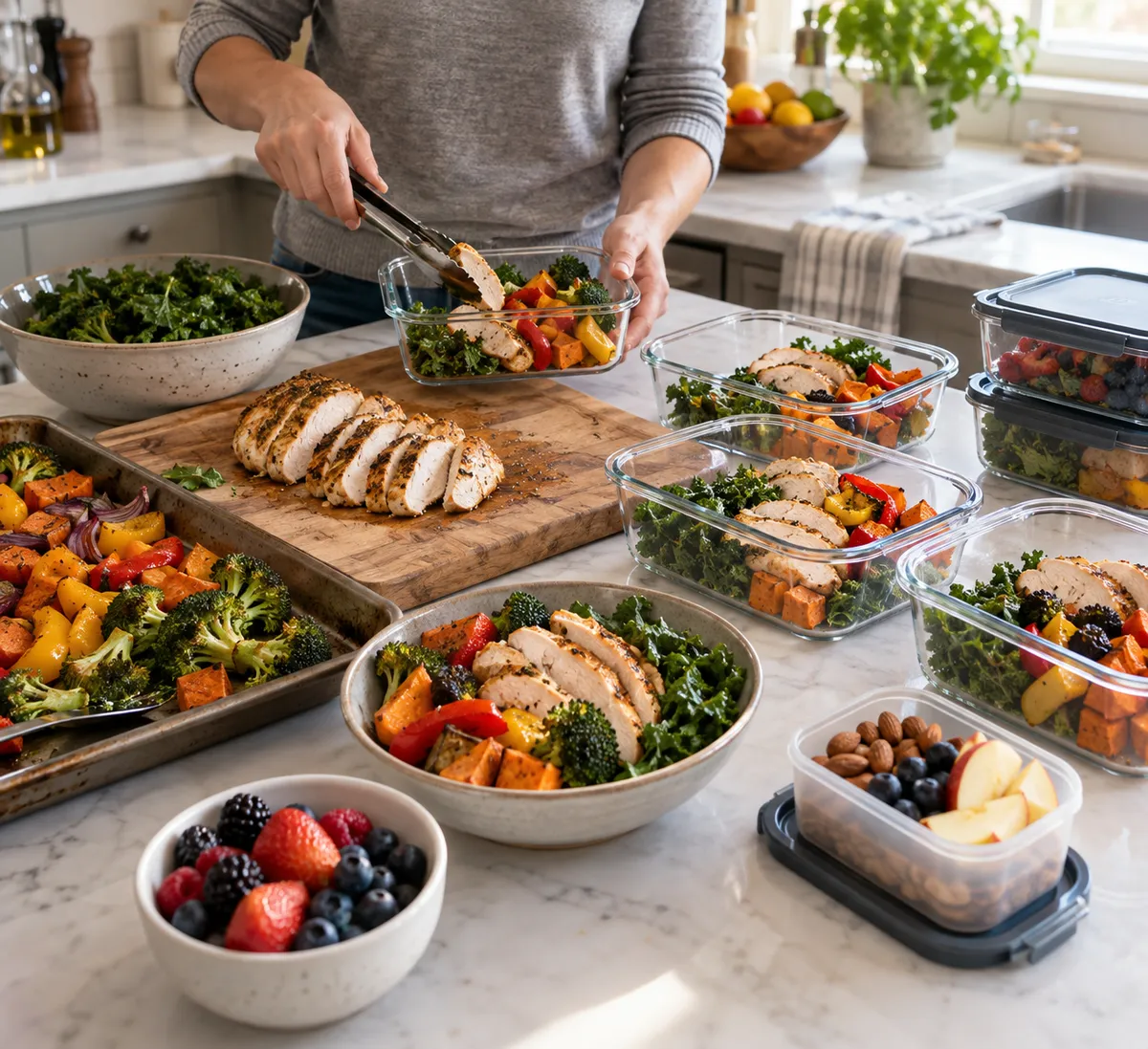
You don't need to spend a Sunday cooking everything. Pick one block of about an hour and make building blocks rather than finished meals:
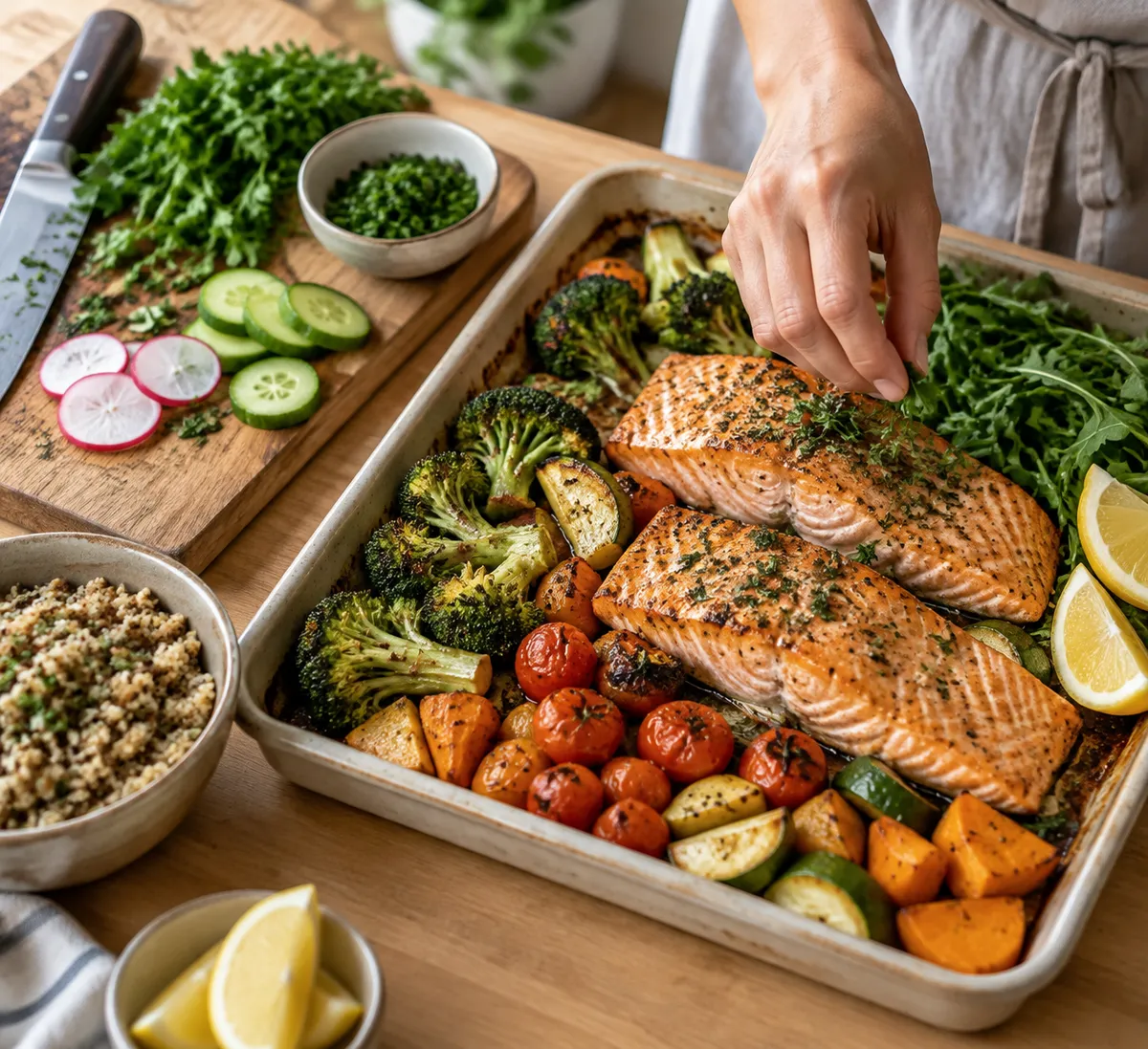
- One sheet pan of protein: chicken thighs, or sausages, roasted at 400°F for 25 to 35 minutes.
- One tray of vegetables: sweet potato cubes, broccoli, or carrots, roasted alongside.
- One pot of something: hard-boiled eggs (a dozen), or a batch of taco-seasoned ground beef.
- One sauce: a simple mix of olive oil, lemon, garlic, and salt keeps leftovers from tasting the same.
Those pieces become bowls, wraps in lettuce leaves, or skillet hashes in about ten minutes on a busy evening.
Build a Repeating Weeknight Template
Deciding what to make is often the real time sink. A template removes the decision. Try assigning each night a loose theme:
- Monday: Bowl night (prepped protein, roasted veggies, sauce)
- Tuesday: One-pan dinner (sausage, peppers, potatoes)
- Wednesday: Soup night (made ahead, reheated in minutes)
- Thursday: Breakfast for dinner (eggs, fruit, bacon)
- Friday: Flexible, leftovers or something simple
Themes mean you can shop from the same short list each week, and kids learn what to expect.
Quick Morning Wins
Mornings go smoother when breakfast is already decided. Two options that take almost no effort:
Egg muffin cups
Whisk 8 eggs with chopped spinach and cooked sausage, pour into a greased muffin tin, and bake at 350°F for about 20 minutes. They keep in the fridge for several days and reheat in under a minute.
Fruit and nut grab bags
Portion nuts or seeds into small containers, and pair them with a banana, apple, or clementine. It's not fancy, but it works at the bus stop.
Activity Days: Portable Dinners and Snacks
When practice or lessons fall right at dinnertime, eat from a cooler instead of a drive-through. Pack:
- Cold roasted chicken pieces or meatballs
- Cut veggies with guacamole or a nut-free dip
- Sliced fruit
- Hard-boiled eggs
- A thermos of warm soup in cooler months
Keep a dedicated bag with reusable containers and utensils by the door so you aren't hunting for lids at 4:30 p.m.
Easy Swaps That Keep Kids Happy
Picky eaters tend to resist big changes. Swap one item at a time:
- Wheat flour: use almond flour or cassava flour in pancakes and muffins. Cassava is a closer one-to-one swap in many recipes, though results vary by brand, so test before a busy week.
- Dairy: coconut milk or coconut cream in soups and smoothies.
- Refined sugar: mashed banana, dates, or unsweetened applesauce in baked goods.
- Pasta: spiralized zucchini or spaghetti squash under familiar meat sauce.
Make Cooking Part of Family Time
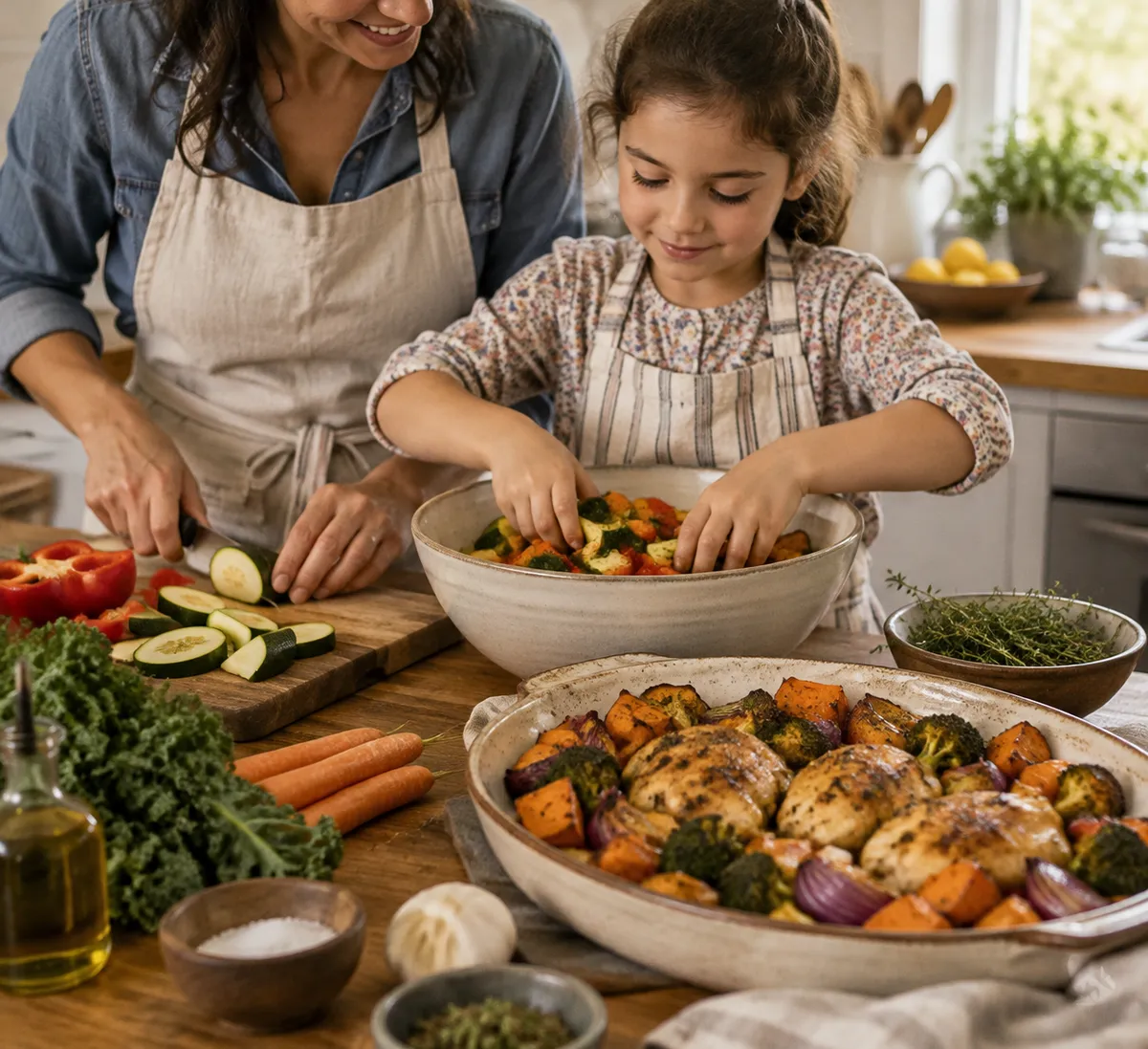
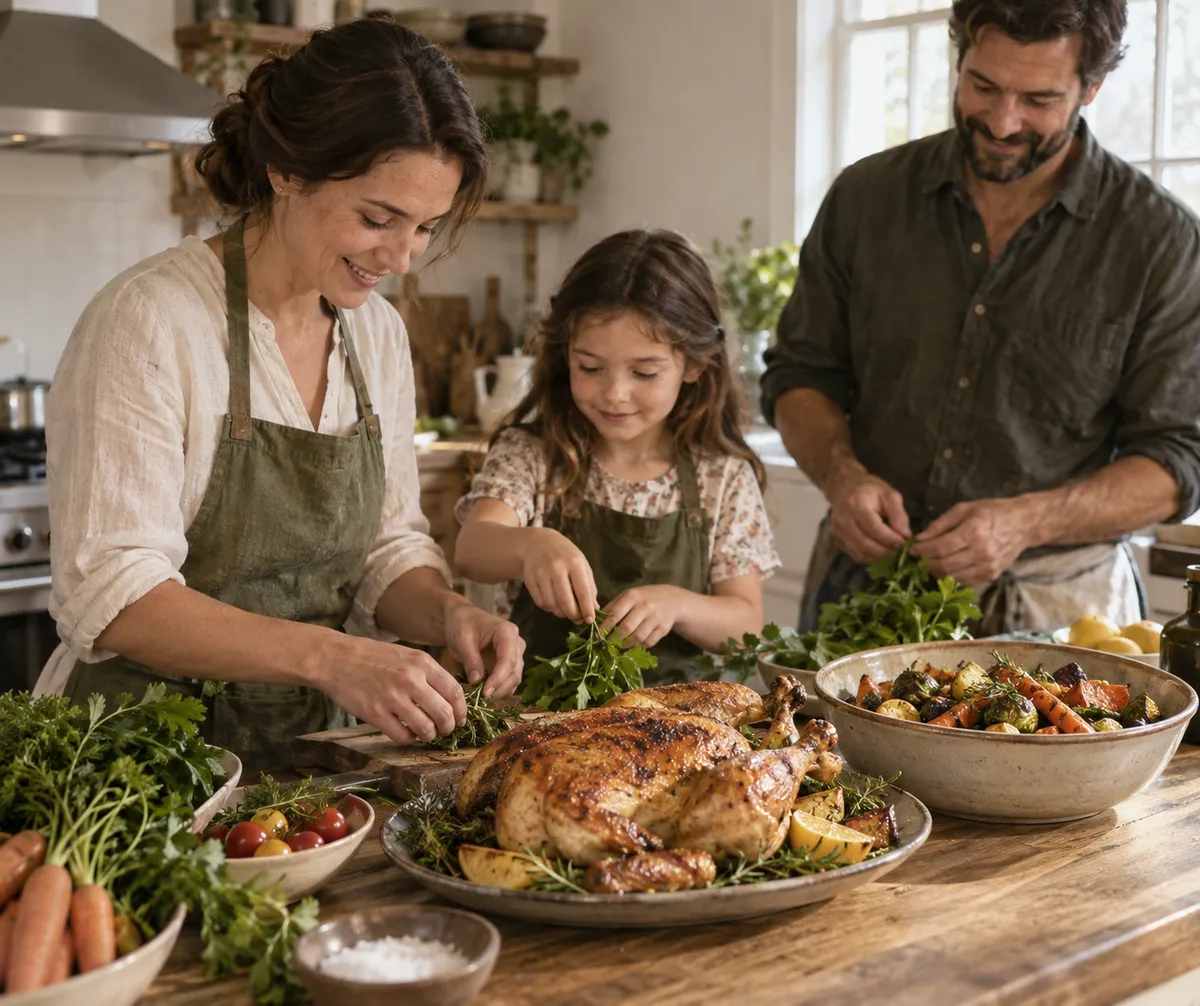
Souter's advice, as reported, centers on protecting family time in an overbooked week. One way to do that is to treat cooking as shared time instead of a chore you do alone. Give kids age-appropriate jobs: washing produce, stirring, tearing lettuce, or filling muffin tins. A 15-minute prep session together can double as the conversation you otherwise wouldn't have time for.
A Simple Weekly Routine to Copy
- Friday or Saturday: Check the calendar and mark the nights with activities. Those get the portable or slow-cooker meals.
- Sunday: Do your one-hour prep and a single grocery run.
- Each evening: Spend five minutes setting out tomorrow's breakfast and packed lunch items.
- Midweek: Reset. Wipe out the fridge, move leftovers up front, and top off anything running low.
Start Small This Week
Don't try to adopt everything above at once. Choose one system, such as a dozen hard-boiled eggs and a sheet pan of roasted chicken and vegetables, and run it for a week. If it saves you even one frantic evening, you've built something worth keeping.