You don't need a plane ticket to cook the way Tasmania eats. A recent Afar-reported guide to the island's food and wine (shared by WS Insider) keeps returning to one idea: the best dishes start with a place and the person who produced the ingredient. That approach fits Paleo cooking neatly, because it favors whole, recognizable food. Below, you'll find a practical way to apply it in your own kitchen, using only what the guide describes as inspiration.
A note on scope: the guide is a travel piece, not a Paleo one. The recipes and swaps here are my own suggestions, not claims from Afar.
The Idea Worth Borrowing: Start With the Source
Per Afar, Tasmania's food culture ties together its climate, clean air, cold waters, and hyper-local farm-to-table cooking. The guide's argument is that oysters, native ingredients, whisky, and cool-climate wines make the most sense when you trace them back to where they came from.
You can do a small version of this weekly:
- Pick one ingredient to buy from a person, not a shelf: a farmers market stall, a fishmonger, a farm stand.
- Ask where it was grown or caught and when.
- Build the meal around it with minimal fuss.
That's it. The shopping conversation is the whole technique.
Oysters: The Simplest Protein Dinner You Can Serve
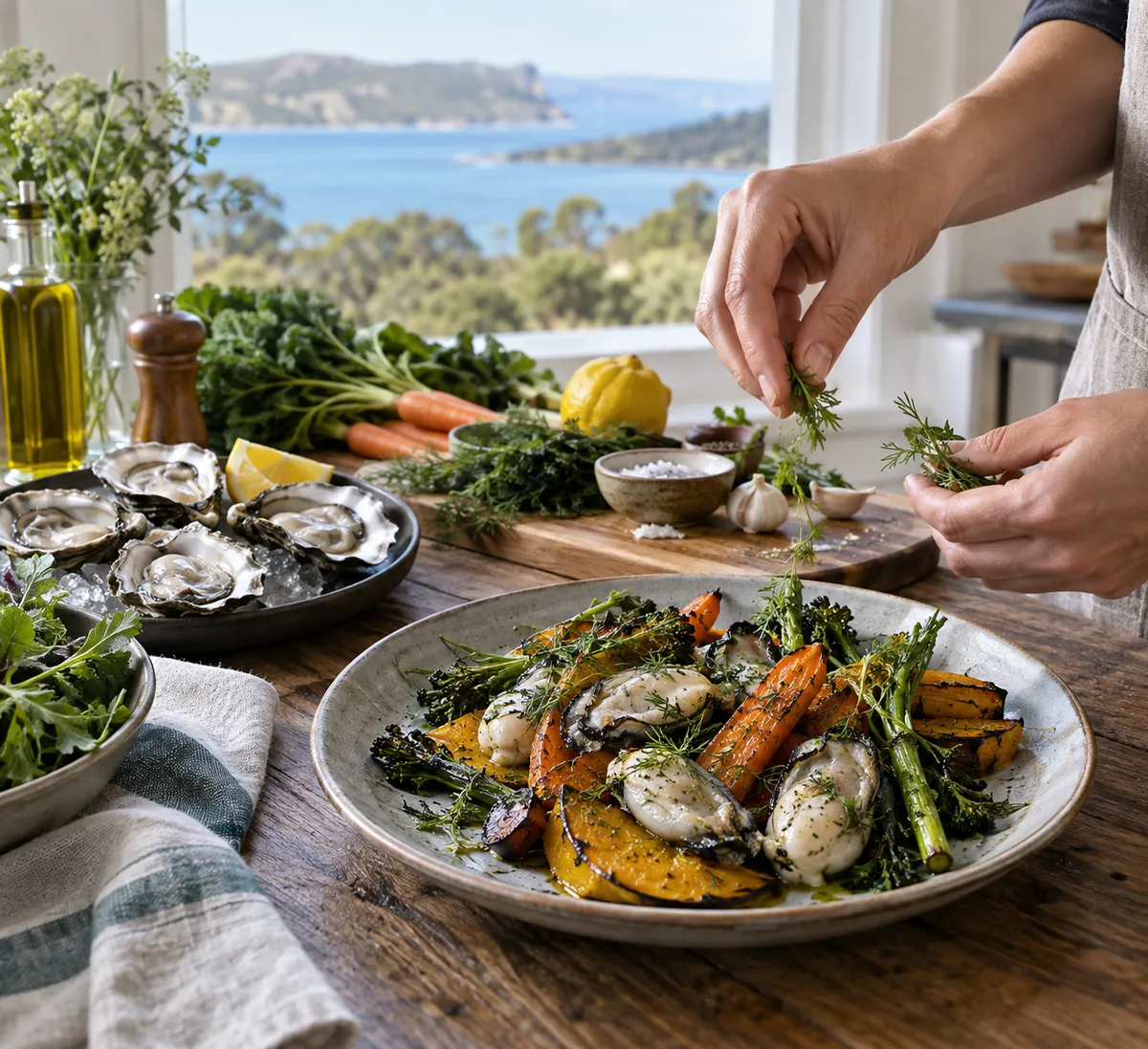
The guide includes slurping oysters fresh from Great Oyster Bay as one of its six highlights. Oysters are about as Paleo as food gets: one ingredient, no prep beyond opening them.
If you want to try this at home:
- Buy from a fishmonger you trust and ask how fresh they are.
- Serve them raw on ice with lemon, or a quick mignonette of red wine vinegar and minced shallot (check your vinegar if you're strict about ingredients).
- Not into raw? Roast them on a sheet pan until the shells open, then top with olive oil, garlic, and parsley.
Pair with a big salad and roasted sweet potato wedges and you have a full, easy dinner.
Eat From the Garden: A One-Pan Vegetable Dinner
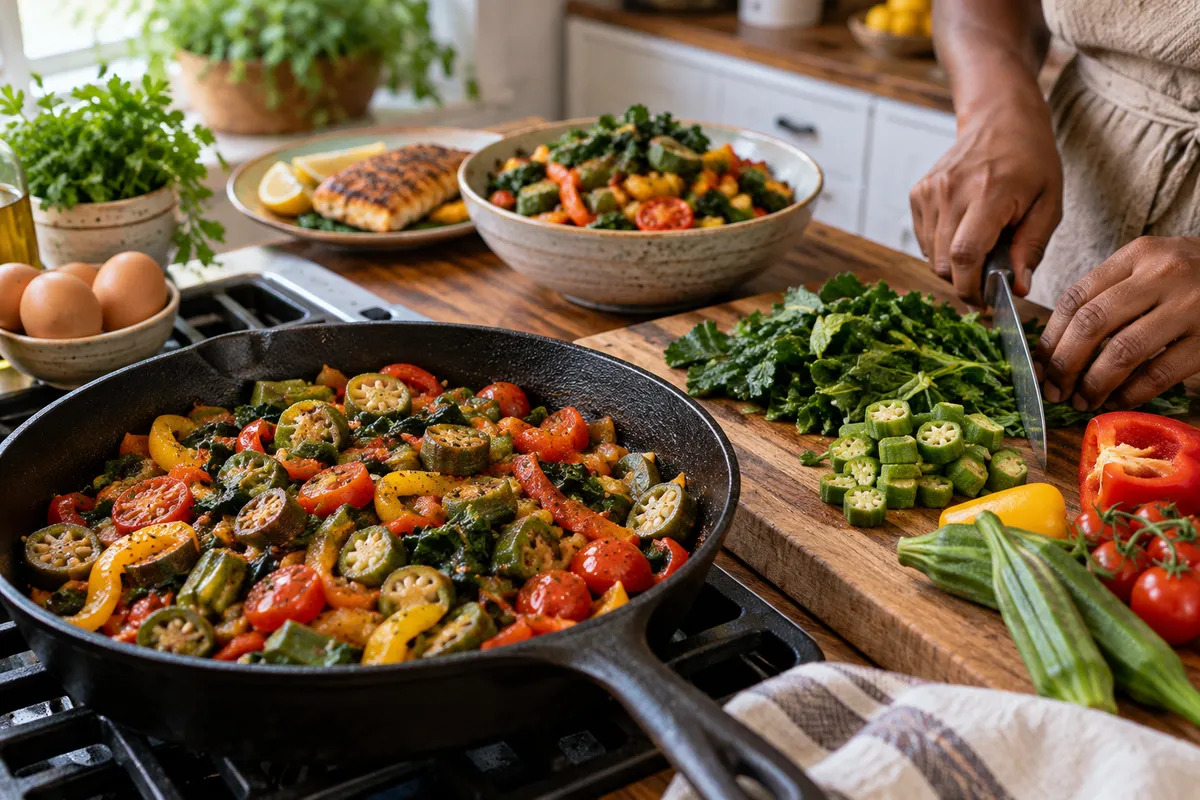
Afar points to the Agrarian Kitchen Eatery in New Norfolk as a place where you eat from the garden. You can echo that spirit with a one-pan meal that lets seasonal vegetables lead.
A template, not a rigid recipe
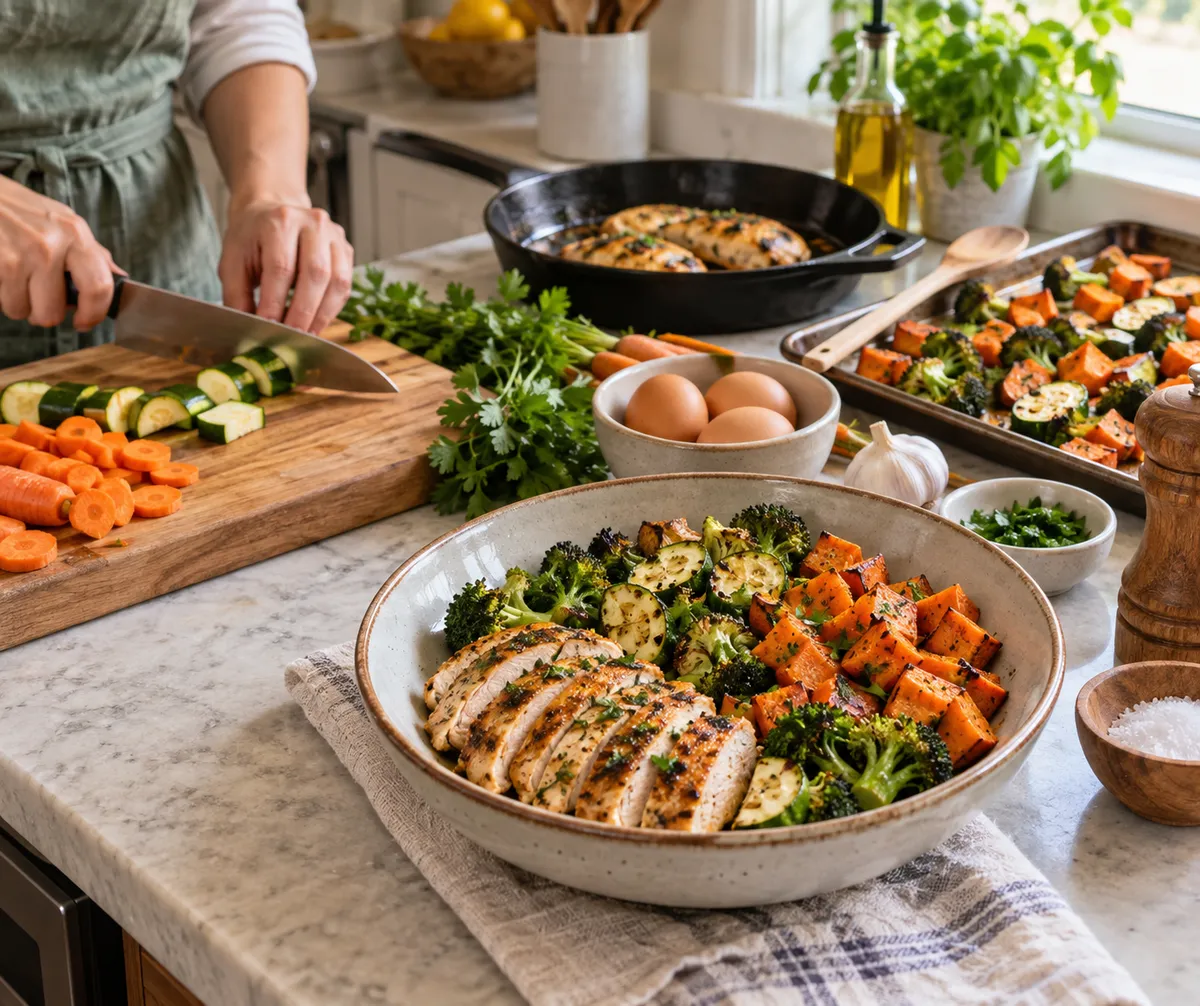
- Vegetables: About 4 cups of whatever is in season, cut to similar sizes (carrots, fennel, zucchini, cauliflower, whatever looks best).
- Protein: Chicken thighs, sausages without added sugar or fillers, or a fish fillet added for the last 10 to 12 minutes.
- Fat and flavor: 2 tablespoons olive oil or ghee, salt, pepper, and fresh herbs.
- Method: Roast at 425°F (220°C) for 25 to 35 minutes, turning once.
Finish with a squeeze of lemon and a handful of chopped herbs. The garden-first logic means you change the vegetables, not the method.
Forage-Inspired Flavors Without the Forest
The guide recommends foraging Tasmania's coast and forests, and joining an Indigenous walking tour to taste native ingredients. Those experiences depend on local knowledge and local plants, so don't try to copy them from a grocery list. If you're traveling there, the guide suggests going with a guide who knows the land.
At home, you can borrow the mindset safely:
- Buy fresh herbs and bitter greens in season instead of relying on dried spice blends.
- Look for sea vegetables like dulse or nori sheets, which suit a seafood-centered plate.
- Only forage if you're trained or accompanied by someone who is. Misidentifying wild plants is a real risk.
Build a Weekly Menu Around One Region's Logic
Here is a simple five-night plan using the place-first approach. It's my own framework, scaled for a busy week.
- Night 1: Oysters and salad. No cooking, 15 minutes.
- Night 2: Sheet-pan chicken and vegetables. Use the template above.
- Night 3: Soup from leftovers. Simmer roasted vegetables with broth, blend, and top with olive oil.
- Night 4: Pan-seared fish with greens. Buy the fish the same day if you can.
- Night 5: Market plate. Sliced meats, fruit, olives, raw vegetables, and nuts, a trail-style spread.
That last one nods to the North West Tasting Trail, which Afar lists among its picks. A trail is about hopping between producers, and a grazing board lets you taste several in one sitting.
What About the Whisky and Wine?
Afar highlights Tasmania's whisky and cool-climate wine regions. Strict Paleo plans typically skip grain-based spirits, and opinions on wine vary by approach. If alcohol is part of your routine, that's a personal call. If it isn't, you can still use the idea: pair your meal with something that tastes of its place, such as sparkling water with citrus or an herbal tea made from fresh mint.
Quick Pantry List for This Style of Cooking
- Olive oil, ghee, or avocado oil
- Lemons and fresh herbs
- Good sea salt
- Red wine vinegar or apple cider vinegar
- Sweet potatoes and root vegetables
- Broth with no added sugar or grains
- Nuts, olives, and canned fish for backup meals
Your Next Step
This week, buy exactly one ingredient from someone who can tell you where it came from, and cook it as simply as you can. Let the ingredient do the talking, which is the lesson Tasmania's food scene keeps teaching.