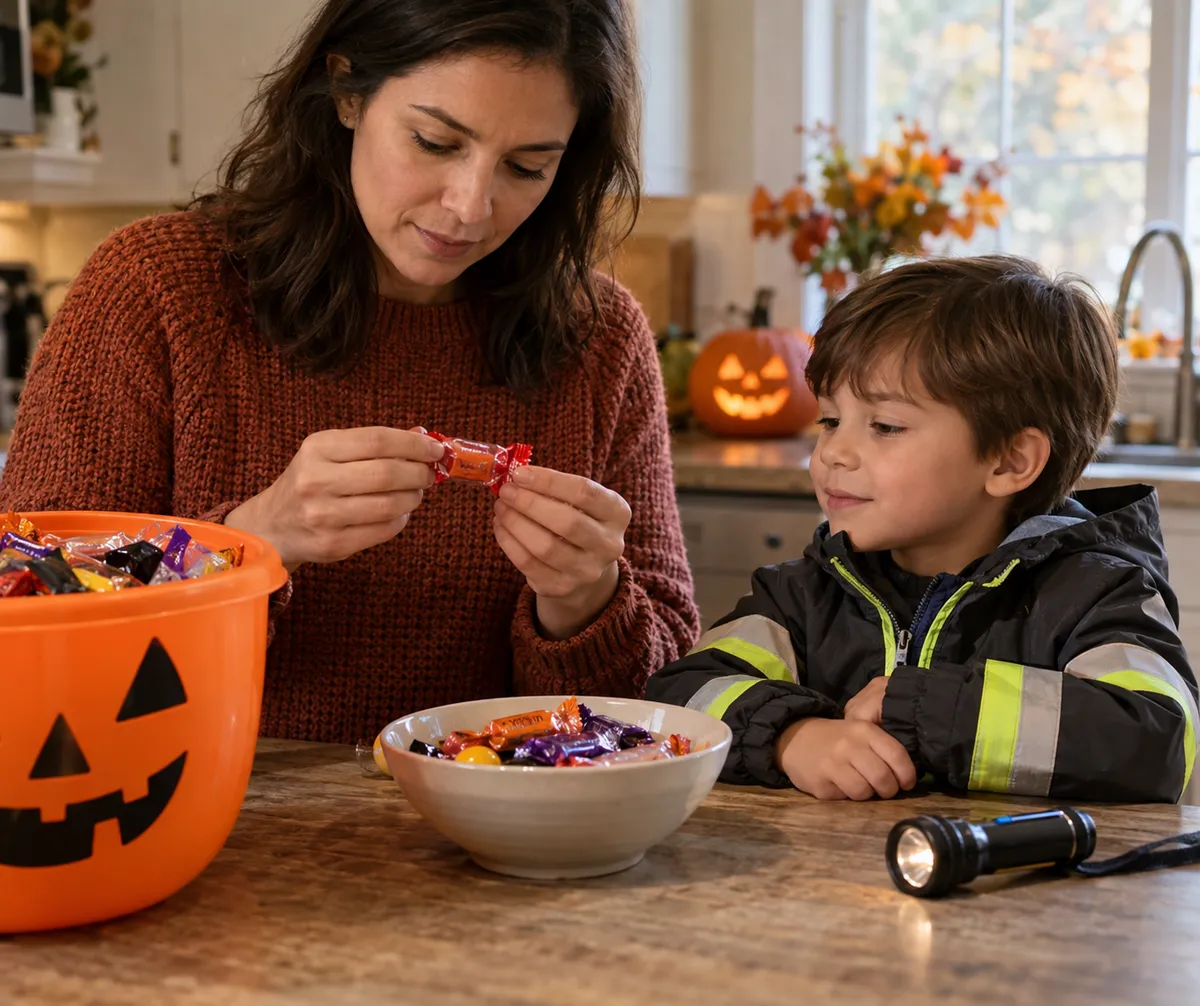
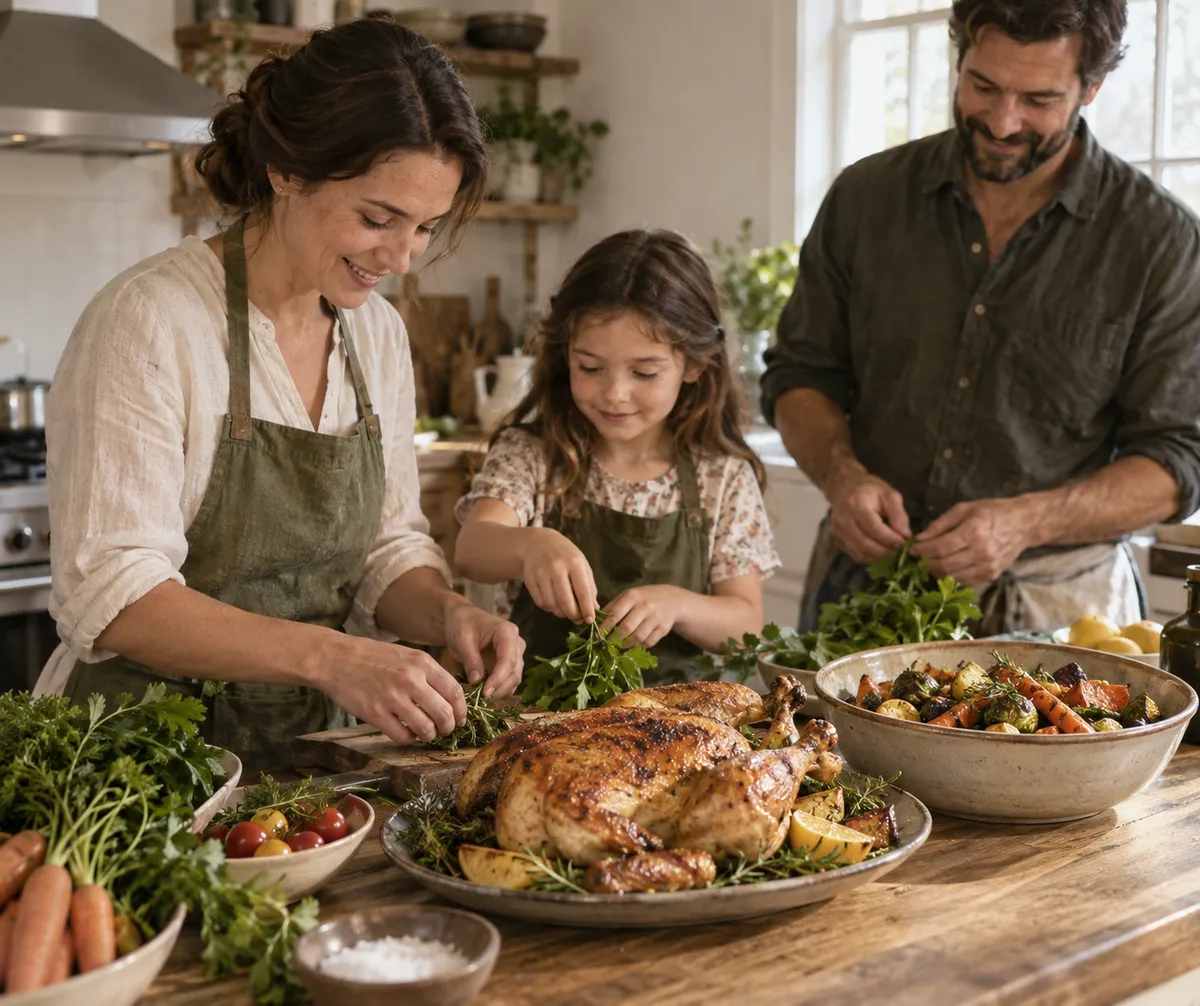
A father takes his children to see Christmas lights because his own father once did the same with him. A mother makes the birthday breakfast she remembers from her own childhood. Per a report from Indiatimes, psychology suggests that parents who repeat childhood traditions like these may be passing down more than nostalgia: memories, values, identity, and a sense of belonging. The piece describes how social learning and family rituals help children absorb a family story across generations.
If you eat Paleo-style, that raises a practical question. Many of our oldest traditions are built around wheat pancakes, sugary cookies, or a cheesy casserole. This guide shows you how to run a quick "tradition audit" on your food rituals, so you can keep the ones that matter and adapt them without losing the feeling.
Why the ritual matters more than the recipe
The Indiatimes report frames traditions as a way families create stability and connection without being rigid. That's the useful takeaway for a Paleo household: what your child remembers is likely the ritual itself. The birthday breakfast, the same-day-every-year outing, the person who always stirs the pot. The specific flour is a detail you can change.
That's an observation from us, not a finding from the report, but it makes the audit easier. You're protecting the moment, not the ingredient list.
Step 1: List your food traditions
Spend five minutes writing down every recurring food moment in your family. Think small. Examples:
- A birthday breakfast
- Saturday pancakes
- Holiday baking day
- A seasonal outing with a snack you always bring
- Sunday dinner or soup night
Include the ones you inherited and the ones you started yourself.
Step 2: Sort each one into keep, adapt, or end
The source suggests helping parents decide which childhood traditions are worth keeping, adapting, or leaving behind. Ask three questions for each item:
- Does my child look forward to it?
- Does it bring us together, or does it stress me out?
- Is the food the point, or is the gathering the point?
Keep as is
Some traditions already fit. A seasonal outing to look at lights, a story at the table, or a photo taken every year needs no changes. Fruit-and-nut snack boxes for the car ride fit right in.
Adapt with a swap
Where the food is the sticking point, keep the format and change the ingredients. A few starting points:
- Birthday breakfast pancakes: blend 2 ripe bananas with 4 eggs and a spoonful of almond or cassava flour. Cook small and serve with berries. Same stack, same candle.
- Holiday cookie day: try almond-flour cookies sweetened with mashed dates or a little maple syrup. Let kids do the decorating with fruit or coconut.
- Cheesy casserole night: swap the dairy sauce for a cashew or coconut-milk base, and keep the same dish, same table, same night.
- Hot cocoa after the lights: warm coconut milk with unsweetened cocoa and a touch of maple syrup, poured into the same thermos you always use.
Keep the name of the tradition too. Calling it "birthday pancakes" does more for continuity than a renamed healthy version.
End gracefully
Some traditions no longer serve you. Maybe one was tied to a stressful family dynamic, or it takes six hours you don't have. Letting it go is allowed. The report's own framing is that meaningful traditions should feel grounding without being rigid, so a ritual that has become a burden has stopped doing its job.
Step 3: Turn routines into rituals
A routine is something you do. A ritual is something you do with attention. You don't need new events, just a small marker on something already happening. Easy ones:
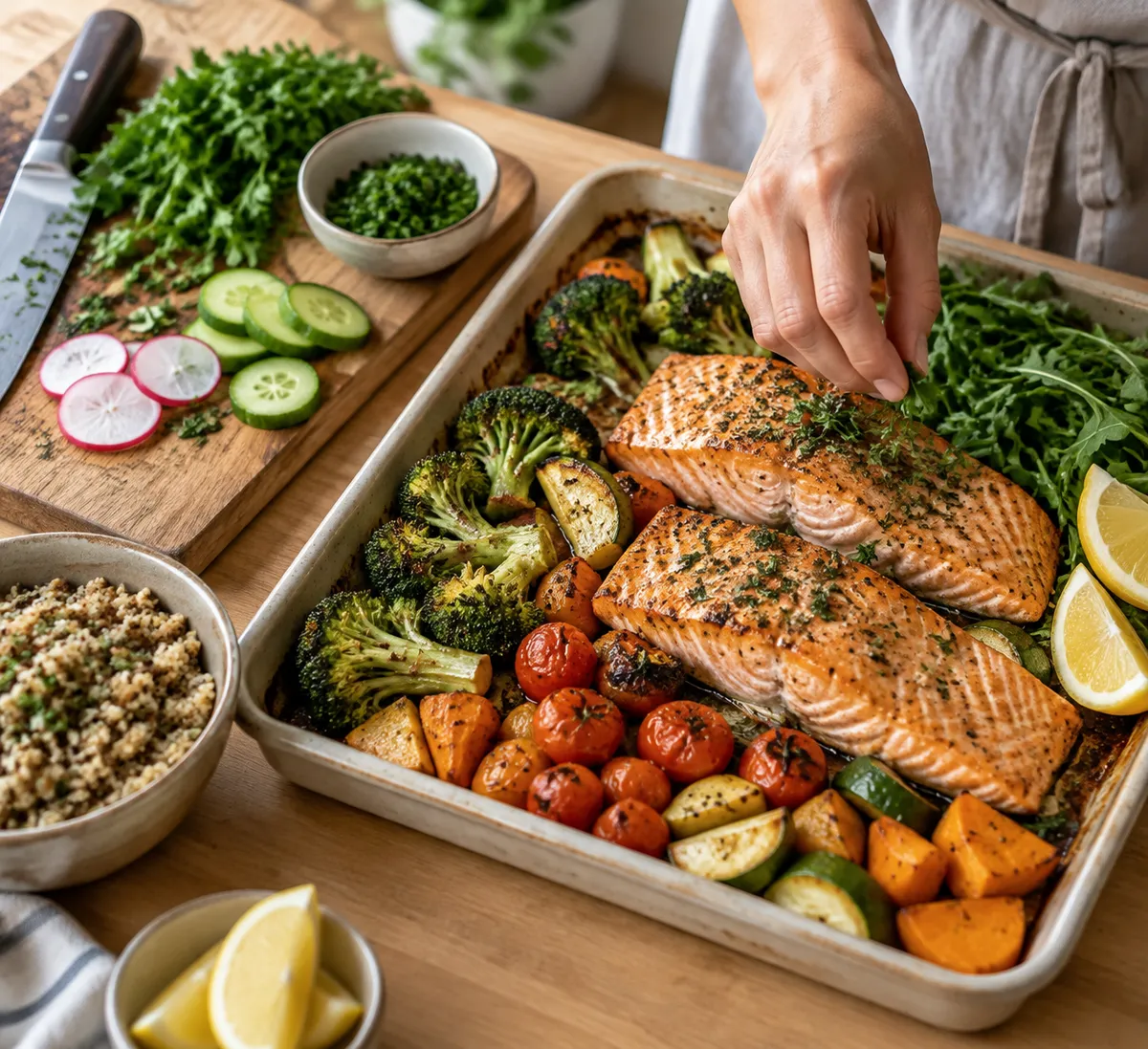
- Pick a signature dish for a day. Taco-night with lettuce wraps or sheet-pan sausage and sweet potatoes can become "Tuesday dinner" with a kid-chosen topping.
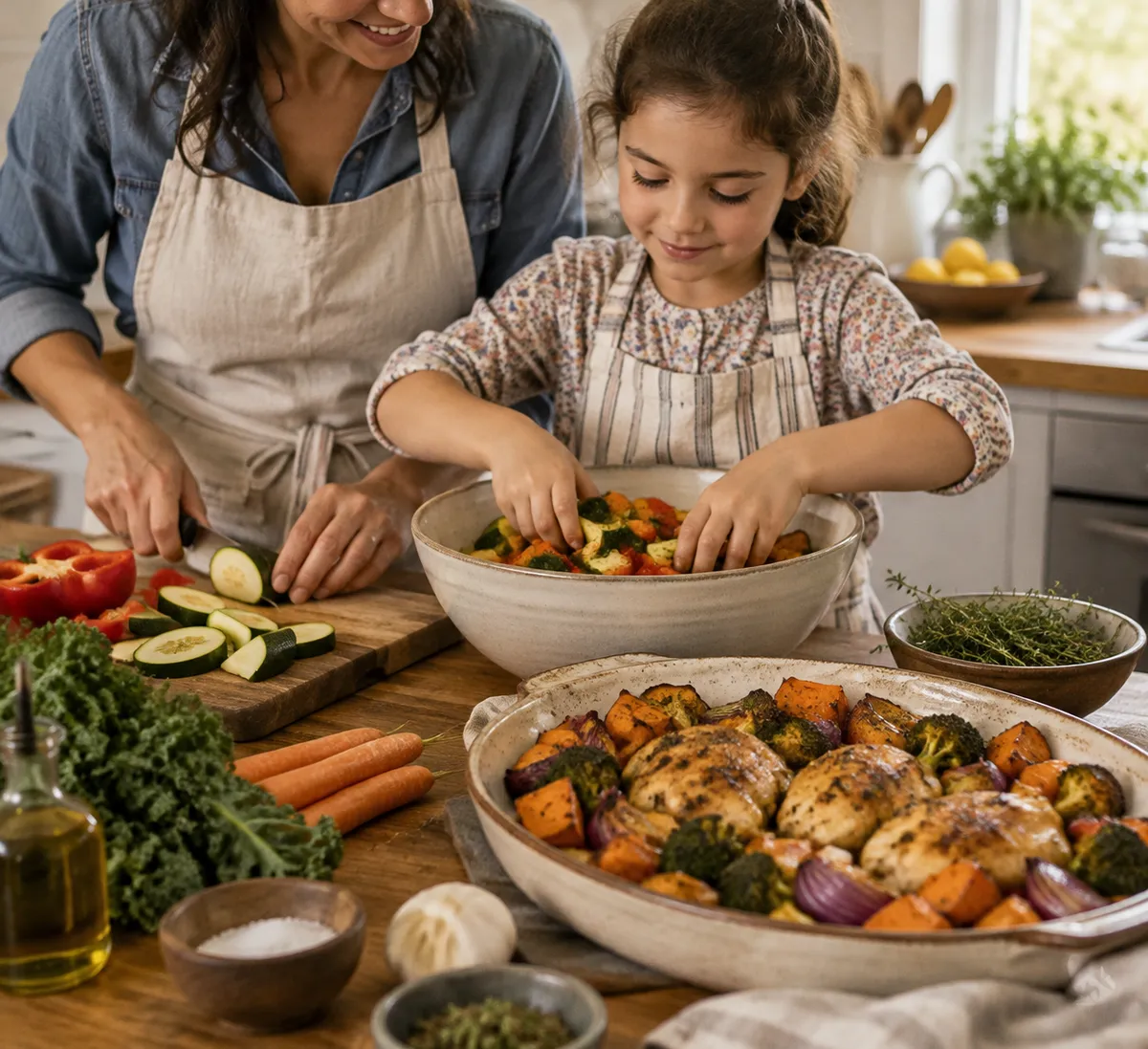
- Give kids a job. Washing berries, cracking eggs, or stirring soup gives a child a role in the story.
- Tell the origin. Share who made this dish first. "Grandpa made these on Sundays" takes ten seconds and ties the plate to the family.
- Take the same photo each year. Same spot, same dish, new height.
Step 4: Pass things down without pressure
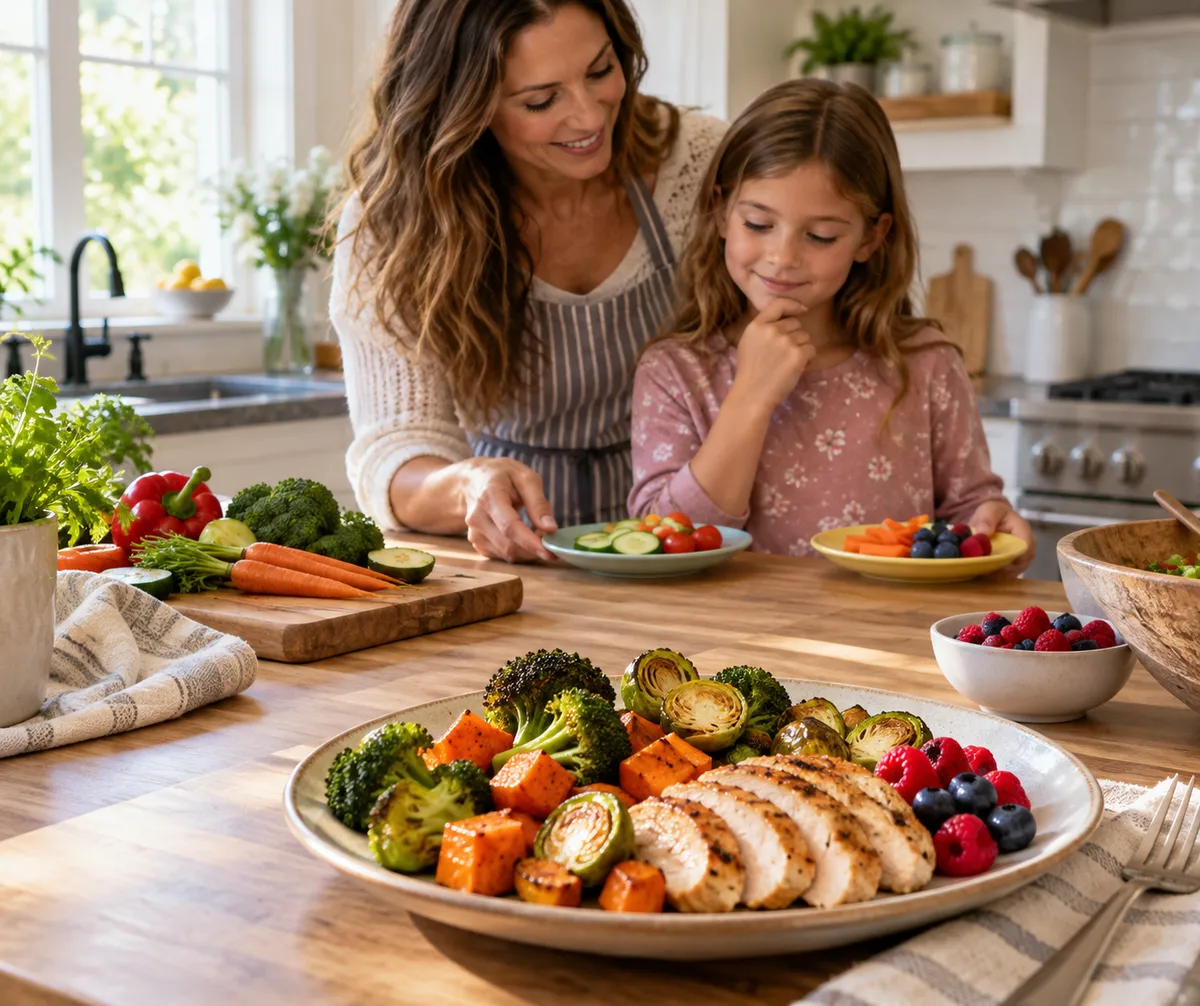
Family food stories can carry culture, and Paleo eating doesn't have to erase them. If a grandparent's dish uses wheat or dairy, you can still cook the original occasionally, or make an adapted version together and tell the story either way. Let your kids ask questions and change things as they grow. The goal is belonging, not compliance.
It also helps to talk to relatives ahead of time. If someone else hosts the traditional meal, you can bring a dish that fits your eating style rather than turning the table into a debate.
A sample audit in action
Say your list has four items:
- Birthday breakfast: adapt with banana pancakes.
- Holiday lights outing: keep, and add a thermos of coconut cocoa.
- Grandma's noodle casserole: adapt with spiralized zucchini, and tell her story while you eat.
- Elaborate 12-cookie holiday spread: end, and replace it with one cookie recipe the kids pick.
That's a full tradition set with fewer stressors and the same emotional core.
Start with one
Pick the single food tradition your kids would miss most, and make it Paleo-friendly this month without changing the ritual around it. Keep the day, the place, the name, and the story. Change only what's in the pan.