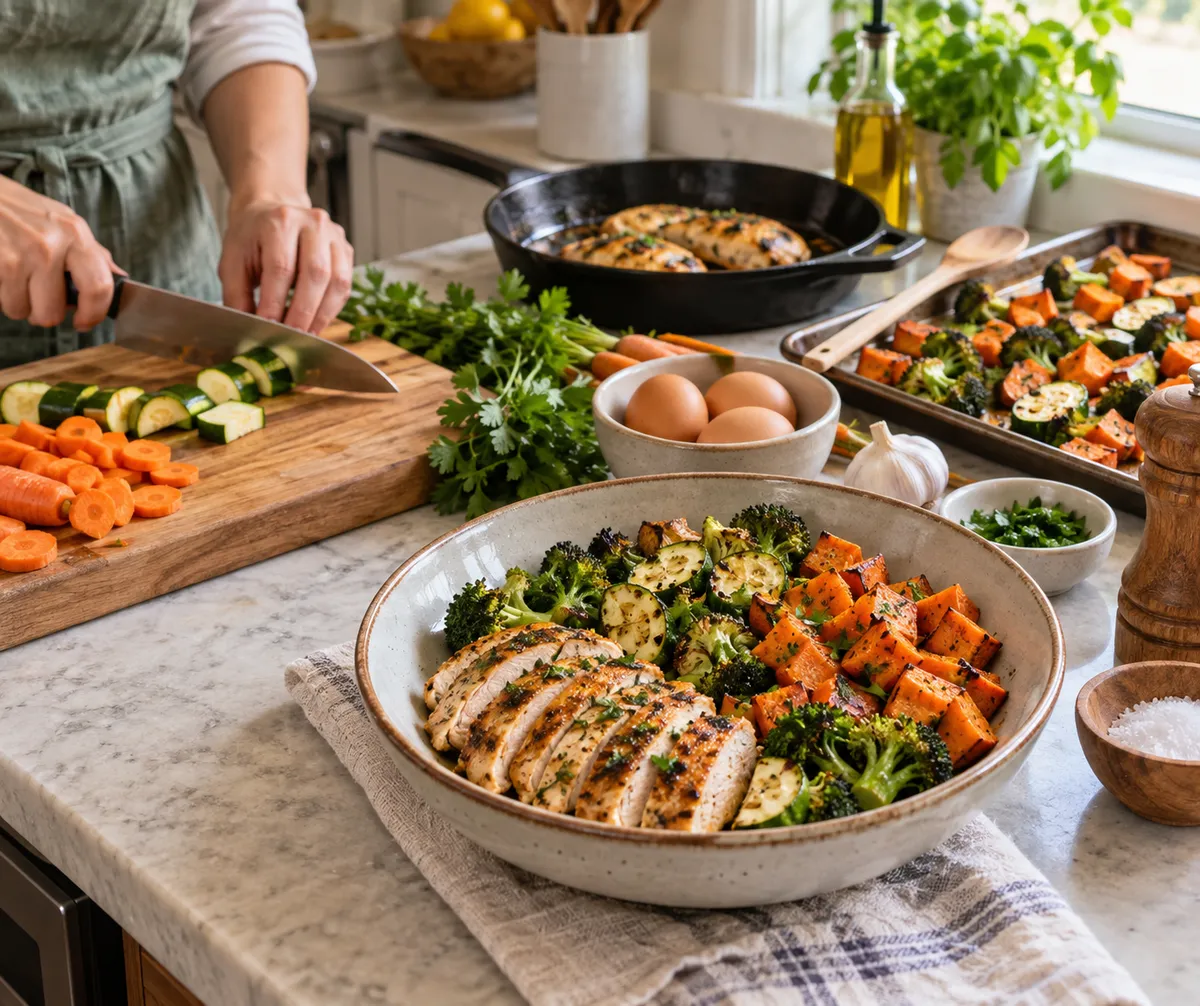
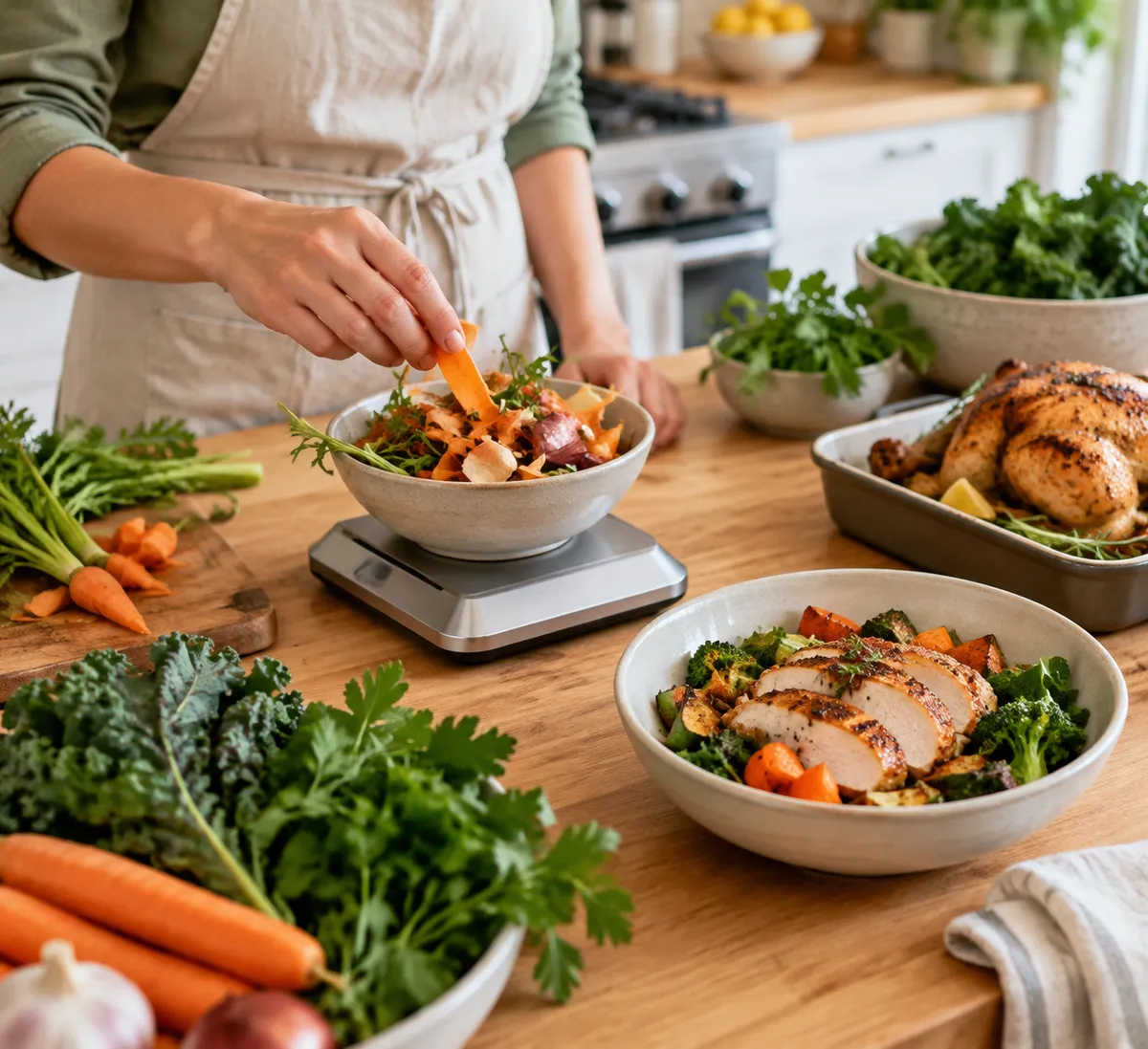
Paleo eating leans on fresh produce, meat, and eggs, which are exactly the foods that spoil fastest. If you have ever tossed a limp bunch of kale or a forgotten tray of chicken thighs, this article is for you. By the end, you will have a one-week home waste audit and a set of ways to use up what you would have thrown away.
The idea comes from a business tool, but it translates well to home cooking.
The story: A Waste Toolkit for Food Businesses
Per Phys, researchers in Western Australia have launched Food Waste PRO, an online toolkit that helps small and medium food businesses measure their waste. It also helps them assess whether reduction or upcycling solutions are technically, legally and financially viable.
Phys frames food waste as both a sustainability problem and a missed commercial opportunity, especially as businesses face tighter margins and pressure to operate more efficiently.
I don't have details on the tool's inner workings beyond that, so I won't guess at them. But the logic is worth stealing: measure first, then decide what is worth fixing. Households can do the same thing with a notebook.
Step 1: Run a One-Week Waste Audit
You can't fix what you haven't counted. For seven days:
- Tape a sheet of paper to the fridge or keep a note on your phone.
- Every time something goes in the trash or compost, write down what it was and roughly how much (a handful, half a container, one whole head).
- Note why: spoiled, left over, didn't like it, or trimmings.
At the end of the week, group the entries. Most people find two or three repeat offenders, such as salad greens, leftover cooked meat, or herbs. Those are your targets. Ignore the rest for now.
Step 2: Sort Waste Into Three Buckets
The Western Australian toolkit asks whether a solution is viable, not just whether it sounds nice. Apply a home version of that test to each repeat offender.
Avoidable: you bought too much or stored it badly
Fix this with smaller purchases, a visible "eat first" shelf in the fridge, and a plan before shopping. Three planned dinners beat seven vague ones.
Convertible: still edible, just not appealing as is
Soft fruit, wilting vegetables, and cooked leftovers live here. These are your upcycling candidates, covered below.
Unavoidable: bones, peels, stems you truly won't eat
Some of this can become stock or compost. The rest is the cost of cooking.
Step 3: Turn Convertible Waste Into Meals
These are Paleo-friendly uses for common culprits. They are general kitchen techniques, not claims from the research.
- Overripe bananas and berries: Freeze in portions for smoothies, or mash into a grain-free baking batter with eggs and almond flour for a fruit-sweetened treat.
- Wilting greens: Sauté into scrambled eggs, blend into soup, or stir into a one-pan skillet dinner.
- Vegetable scraps and bones: Keep a freezer bag for onion ends, carrot tops, and celery leaves. When it's full, simmer with bones for stock.
- Leftover roast meat: Chop into a frittata, a hash, or lettuce wraps the next day.
- Herb bunches going soft: Blend with olive oil and freeze in ice cube trays.
- Broccoli stems and cauliflower leaves: Slice thin and roast, or grate into a slaw.
Step 4: Treat "Ugly" Food as a Feature
Businesses are looking at byproducts and imperfect produce as sources of value, and the same goes for your kitchen. Bruised apples cook down into unsweetened sauce. Spotty peppers are fine roasted. Misshapen sweet potatoes mash the same as perfect ones. Buying a discounted bag of imperfect produce and cooking it within a day or two is often the cheapest way to eat well.
Step 5: Build the Fix Into Meal Prep
Once your audit shows the pattern, set up a routine that catches waste before it happens.
- Pick a "use-it-up" night. Once a week, cook only from what's already in the fridge: a big skillet, a soup, or a frittata.
- Prep perishables first. Wash and chop greens and soft vegetables on shopping day, and leave the hardy roots for later in the week.
- Freeze early, not late. Portion meat and cooked meals on day one or two instead of day five.
- Label the freezer. Write the contents and date so nothing becomes a mystery brick.
Step 6: Check the Math
The Western Australian toolkit is about deciding whether an idea can actually pay off. Do a quick version at home. If you find you bin about two containers of salad greens a week, multiply that by what you paid. Compare it with what a smaller order or a freezer-friendly swap would cost. A fix is worth keeping if it saves more money or time than it takes.
Re-run the audit after a month. If the repeat offenders have shifted, you've made progress, and you can tackle the next one.
The Takeaway
Start tonight: tape a sheet of paper to your fridge and write down everything you throw out for the next seven days. One week of honest numbers will show you where your grocery money is going and which single habit to change first.