This week, Fox News carried an op-ed from Robert F. Kennedy Jr. and Dr. Mehmet Oz announcing that 250 U.S. hospitals have joined a voluntary federal pledge, the Make Hospital Food Healthier Pledge, aimed at cutting processed food and added sugar from patient meals. The authors argue that hospital food should support healing, and that hospitals, as big buyers, could nudge the wider food system toward whole, minimally processed foods.
Whether you like the politics or not, the idea is easy to borrow. You may be cooking for someone recovering from surgery, a sick kid, or an aging parent, or just trying to eat better yourself. This guide shows how to build a recovery-minded meal at home with simple Paleo-style swaps, a template tray, and a short prep plan.
A note on scope: the op-ed describes the pledge as voluntary, and I don't have its specific nutrition standards. What follows is practical kitchen advice inspired by the goal (less processed food, less added sugar), not a summary of the pledge's requirements. If someone you cook for has medical dietary restrictions, follow their care team's guidance first.
Start With the Tray, Not the Recipe
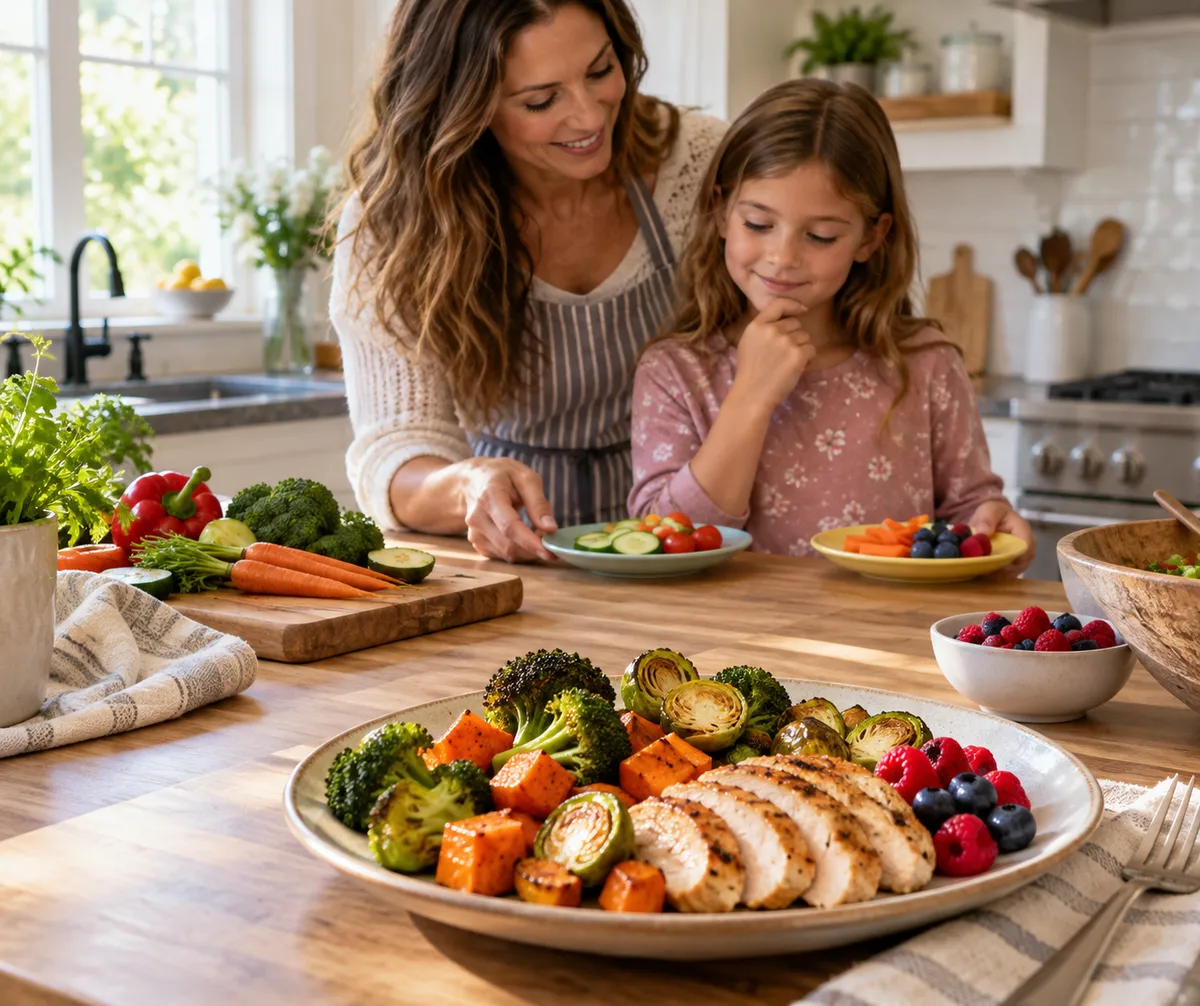
Think of a recovery meal as a tray with four slots. If each slot is filled with real food, you're most of the way there.
- Protein: eggs, shredded chicken, baked salmon, or slow-cooked beef.
- Cooked vegetable: soft roasted carrots, steamed zucchini, or sweet potato.
- Something warm and brothy: soup or bone broth you can sip.
- Fruit for dessert: baked apple, berries, or sliced pear.
That's it. No special products needed, and nothing in a wrapper with a long ingredient list.
Five Smart Swaps for Gentle, Whole-Food Meals
The pledge's focus is processed food and added sugar, so those are the places to swap.
Flavored yogurt cup to plain yogurt or coconut yogurt with fruit
Stir in mashed banana or a spoonful of unsweetened applesauce. You control the sweetness, and it's still soft and easy to eat. Skip dairy entirely if it doesn't suit you; unsweetened coconut yogurt works.
Instant oatmeal packet to a warm sweet potato bowl
Mash baked sweet potato with cinnamon and a little almond butter. It's naturally sweet, filling, and takes five minutes if you've roasted a batch ahead.
Canned soup to a simple homemade broth soup
Simmer chicken, carrots, celery, and a pinch of salt in water or bone broth for 30 to 40 minutes. Shred the chicken back in. Freeze in single portions.
Juice and soda to infused water or herbal tea
Drop sliced cucumber, citrus, or berries into water. Warm ginger or peppermint tea is soothing when appetite is low.
Packaged cookies to baked fruit
Core an apple, fill it with cinnamon and chopped walnuts, and bake at 350°F for about 30 minutes. It tastes like dessert without added sugar.
A One-Pan Recovery Dinner
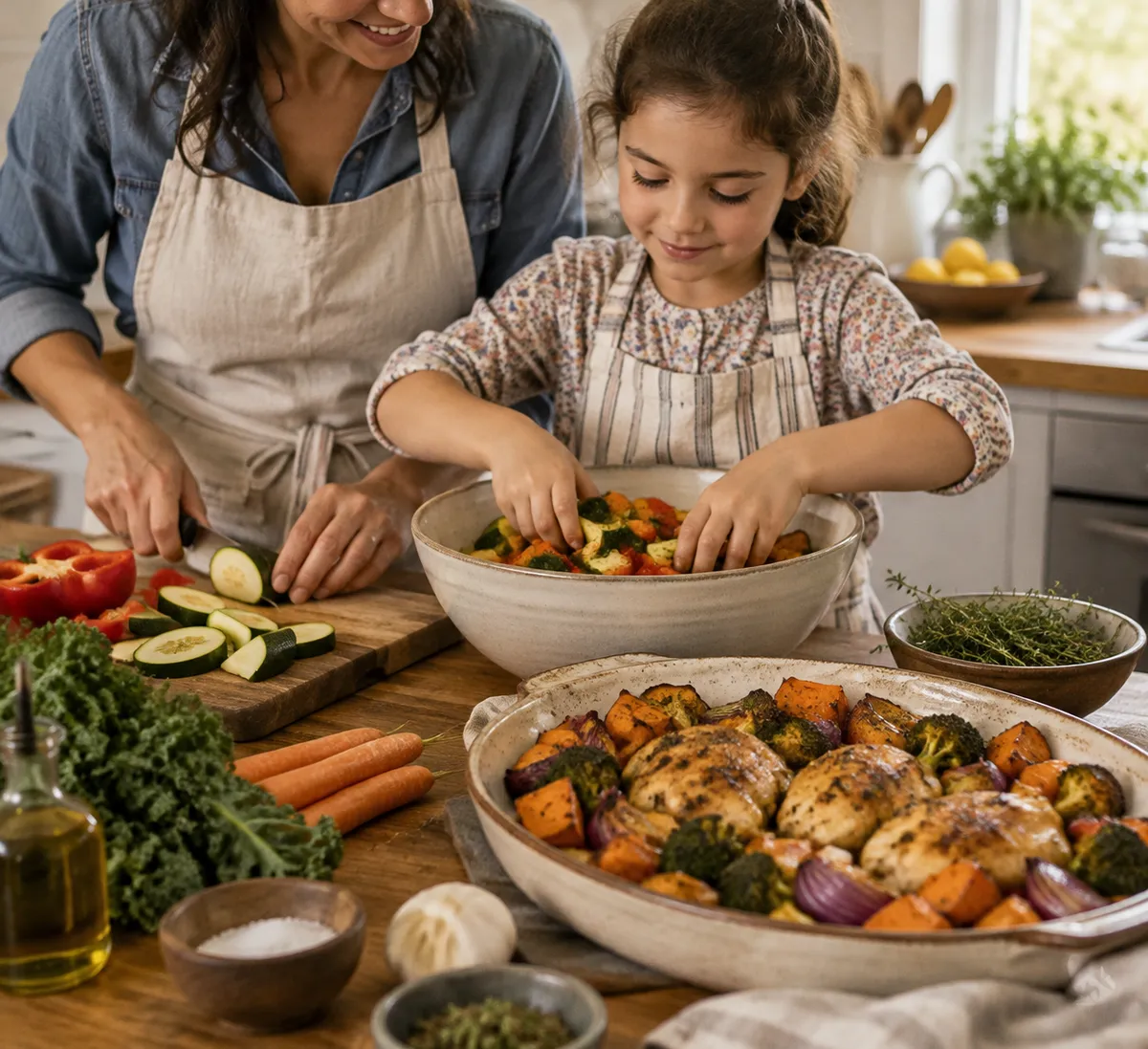
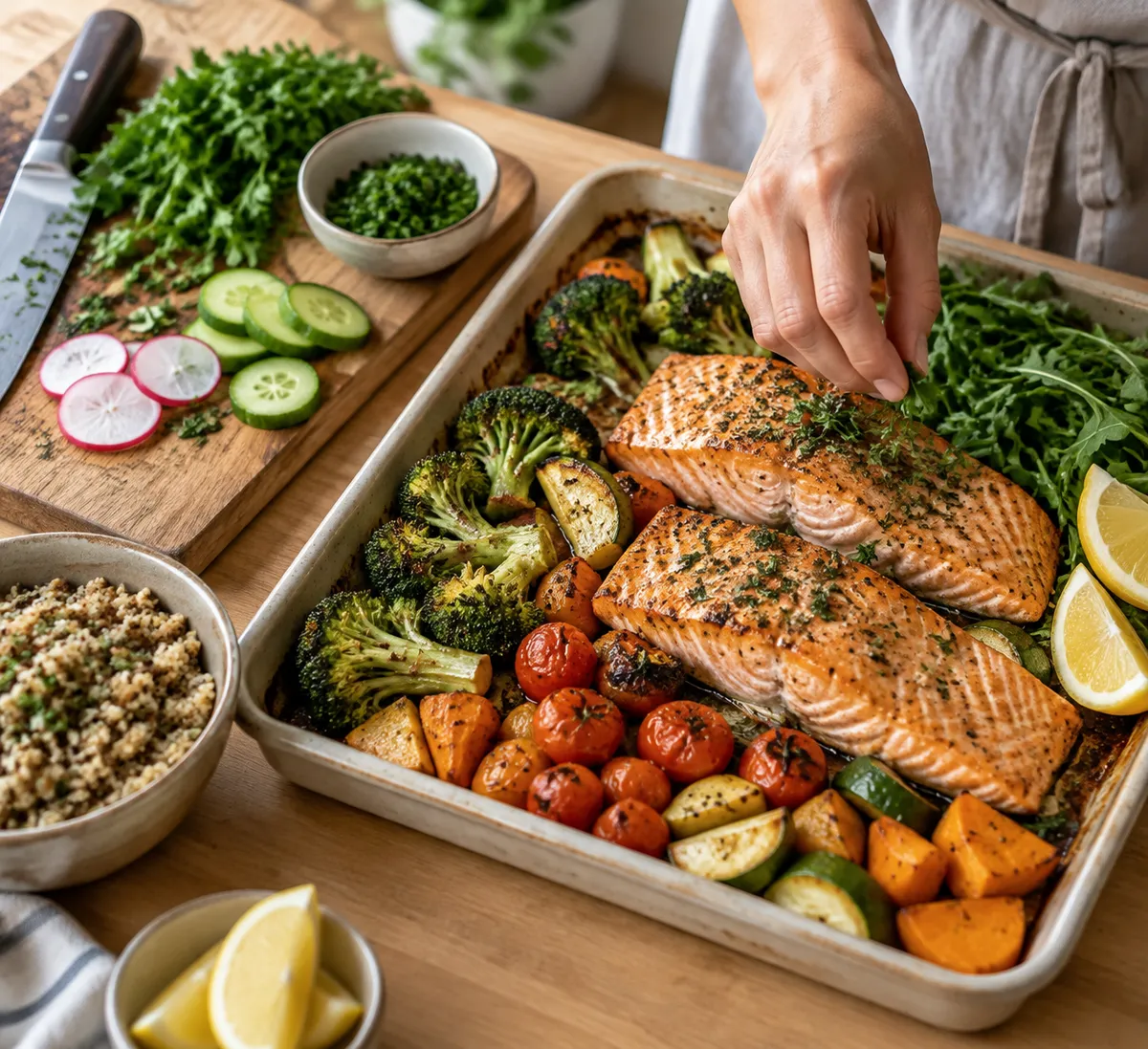
This is the kind of meal that fits the tray idea and needs one sheet pan.
- Heat the oven to 400°F.
- Toss cubed sweet potato and carrots with olive oil and salt. Roast 15 minutes.
- Add chicken thighs (skin on or off) seasoned with garlic powder and thyme. Roast another 25 minutes, until the chicken is cooked through.
- Add a handful of spinach for the last two minutes.
- Serve with a side of baked apple.
Leftovers shred easily into tomorrow's soup.
Batch Cook Once, Feed Someone All Week
Recovery is tiring, and nobody wants to cook every night. Spend one hour on a weekend:
- Roast a tray of mixed vegetables.
- Simmer a pot of chicken soup and freeze half in jars.
- Hard-boil six eggs.
- Bake four apples.
Now you have grab-and-warm meals that don't lean on boxed convenience food.
Why This Idea Is Spreading
RFK Jr. and Oz frame food quality as tied to chronic disease, recovery, and healthcare costs, and they point to hospitals' purchasing power as a lever. Whether a voluntary pledge is enough, or whether the government should require change, is a debate the op-ed raises, and one reasonable people can argue about. In your own kitchen, though, the question is simpler: what's on the plate?
Make It Stick
This week, pick one slot on the tray and fix it. Swap the flavored yogurt, make one pot of real soup, or bake a pan of apples. One whole-food upgrade you actually repeat beats a perfect plan you never start.