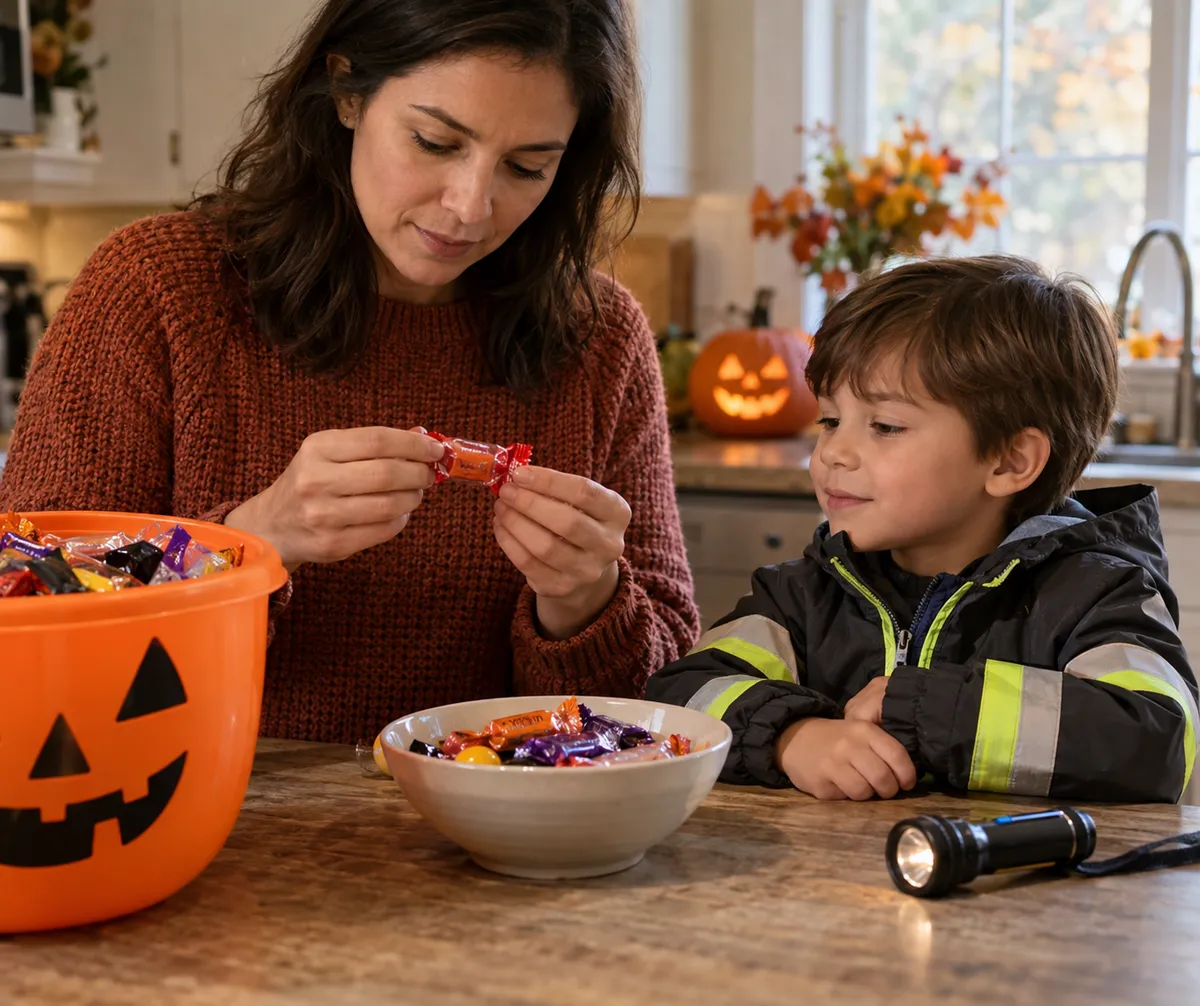
Most of us give kids patience, structure and a snack without thinking twice, then skip all three for ourselves. In a piece for CNN, writer Amanda Schupak, who is raising a 7-year-old, shares five parenting strategies that work just as well on adults. The core idea, as the piece frames it, is that adults often offer kids compassion, structure and basic care but forget to give the same support to themselves.
Here are her five tips, with practical ways to try each one. Since this is a Paleo kitchen, the last tip gets the most room: a short list of snacks you can actually make.
1. Put yourself in time-out
The first tip on Schupak's list is putting yourself in time-out. For kids, a time-out is a pause to reset before things escalate. The adult version is the same: step away before you snap.
Try this:
- Leave the room for a few minutes when a conversation or task is heating up.
- Pick a spot in advance, like the porch, the bathroom or a short walk around the block.
- Come back when you can respond rather than react.
Framing it as a reset, not a punishment, keeps it low-shame.
2. Ask: is it a big problem or a little problem?
The second tip is sorting problems into big or little. Kids often react to a broken cracker the way they would to a real emergency, and adults do the same with a rude email or a missed bus.
When something sets you off, name its size. A spilled coffee is little. A health scare is big. Little problems get a shrug and a quick fix. Big problems deserve your real attention and, often, other people's help. The sorting itself tends to lower the temperature.
3. Give yourself a five-minute warning
Parents use a five-minute warning to help kids shift from one activity to the next. Adults struggle with transitions too: closing the laptop, leaving the house, switching from work mode to dinner mode.
Try setting a timer five minutes before a transition. Use that time to save your work, find your keys and finish the thought you're in the middle of. It's a small bit of structure that prevents the scramble.
4. Take three deep breaths
Three deep breaths is a classic kid-calming tool, and it's easy enough to do anywhere: in the car, in a meeting, at the stove while something simmers.
Breathe in slowly, let it out slowly, and repeat twice more. It takes under a minute, needs no equipment and pairs well with tip one if you need to walk away first.
5. Just eat something
The last tip is the simplest: just eat something. Anyone who has parented a cranky child knows that a snack can fix a mood faster than a lecture. The same goes for adults. Before you decide that you're failing at work or your relationship is in trouble, check when you last ate.
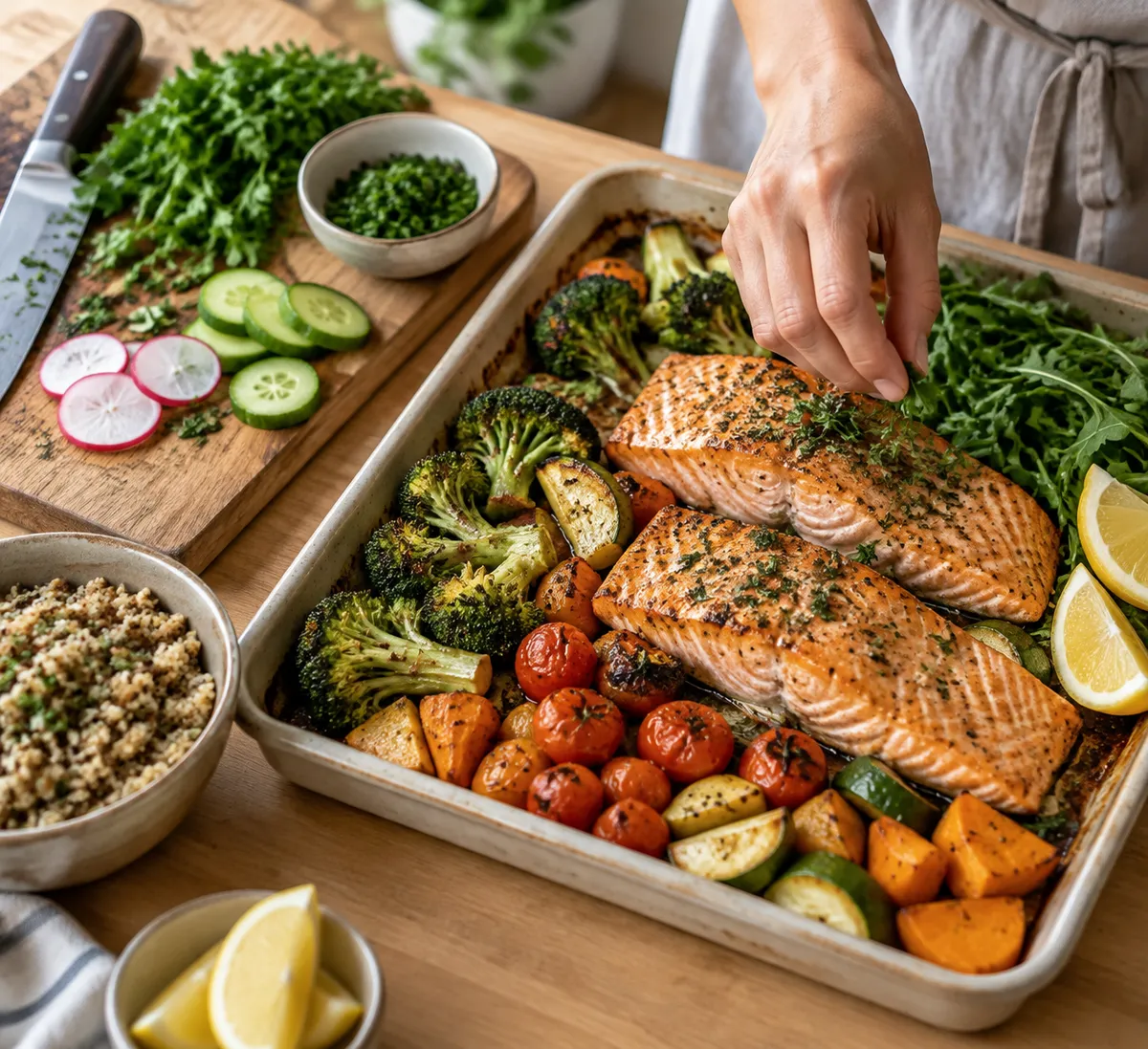
The obstacle is usually friction. If a decent snack takes ten minutes to figure out, you'll skip it. So keep a few Paleo-friendly options ready.
Easy Paleo snacks for the 'just eat' moment
These are my suggestions, not part of Schupak's piece:
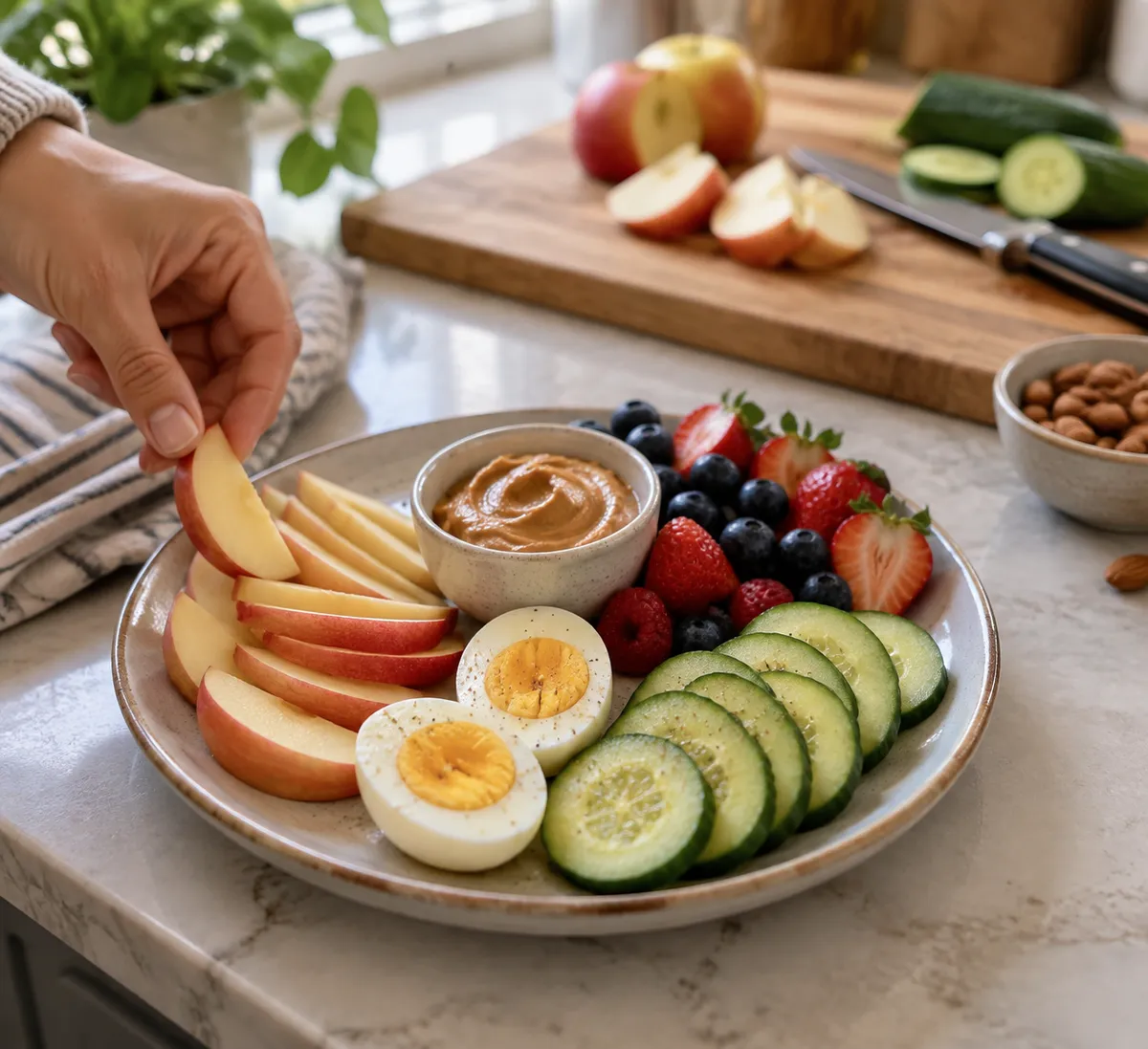
- Apple slices with almond butter. Two minutes, no cooking. Check that the label lists just nuts and maybe salt.
- Hard-boiled eggs. Boil a half dozen on Sunday and keep them in the fridge, peeled or in the shell.
- Turkey and avocado roll-ups. Wrap sliced turkey around avocado wedges. Add a pinch of salt.
- Fruit and nut mix. Combine unsweetened dried fruit with raw nuts in a jar by the door.
- Cucumber and carrot sticks with guacamole. Cut the veggies once and they last a few days in a container.
- Leftover roasted sweet potato. Cold or reheated, it's filling and needs no prep if you roast extra at dinner.
Make it stick with a snack station
Parents learn that kids eat what's visible and easy. Do the same for yourself. Put a small bin of shelf-stable options (nuts, dried fruit) on the counter, and place a container of cut veggies and boiled eggs at eye level in the fridge. When you're hungry and stressed, the decision is already made.
Why these tools matter
Per the piece's framing, burnout, emotional overload and attention struggles are common, and simple self-regulation tools feel relevant. None of these five tips needs a special app or an hour of free time. Each one takes a few minutes at most.
Try one today
Pick the tip that sounds easiest, and use it the next time you feel your patience slipping. If you only do one, make it the last: put a snack in front of yourself, then see how big the problem looks afterward.