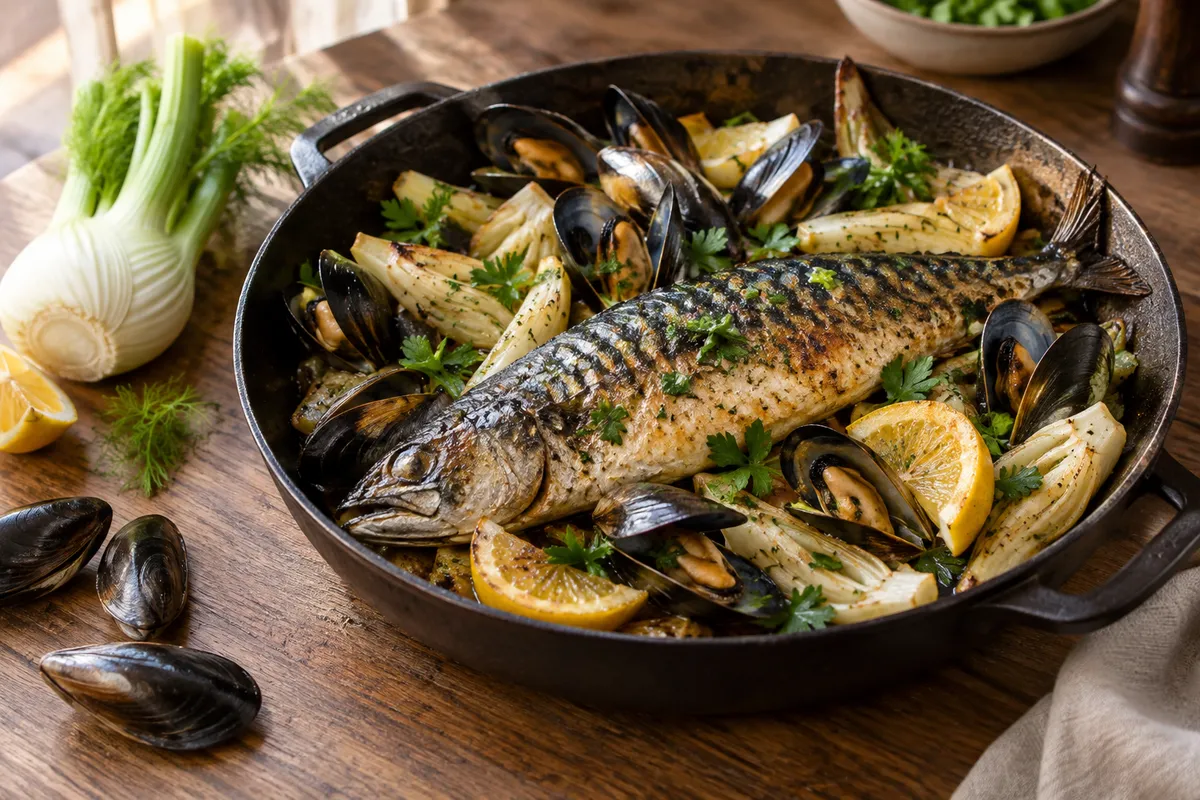
Most of us cook the same few fish on repeat. Research on a century of Good Housekeeping recipes, reported by Phys, suggests that habit is not just personal taste. This piece shows you how to break it with simple Paleo-friendly seafood cooking: a swap formula, a one-pan method and a batch-cooking plan.
What the Good Housekeeping study found
Per Phys, the century-long study of seafood recipes in Good Housekeeping found that the variety of fish and shellfish presented to U.K. readers has "narrowed." Home cooking moved from a diverse range of species to what the research calls a "big five": cod, haddock, tuna, salmon and shrimp.
The research argues the shift reflects changes in supply chains, supermarkets, imports, convenience foods and cultural expectations, not simply taste. It also notes that the U.K.'s eating habits look increasingly mismatched with what its own waters produce, which matters as sustainability, food security and healthier diets become bigger concerns.
The study is about U.K. recipes, so check what your own local fishmonger or counter carries. The cooking lesson travels anywhere: if you only buy the big five, you are using a fraction of what is available.
The one-rule swap: match texture, not name
You do not need a new recipe for every fish. Swap by texture and cooking behavior.
- Flaky white fish (cod, haddock): try another mild white fish your counter has. Ask what is fresh and similar.
- Meaty, steak-like fish (tuna): look for a firm-fleshed fish that holds up to grilling or searing.
- Rich, oily fish (salmon): look for another oily fish. These tend to suit strong flavors like lemon, mustard and herbs.
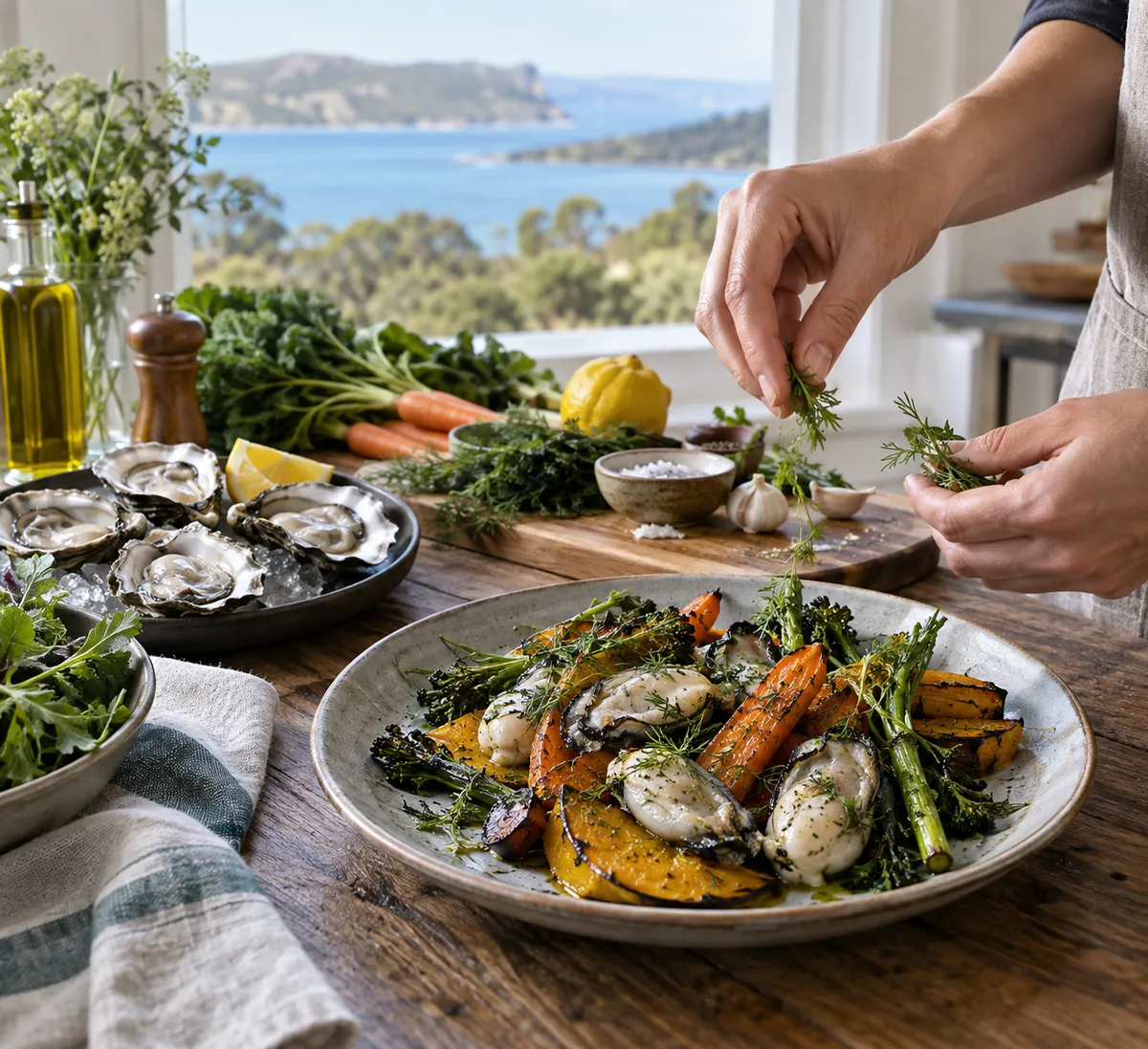
- Shrimp: consider other shellfish that cook fast, such as mussels or cockles, if available.
That is general cooking logic rather than something from the study. The practical step is simple: ask the person behind the fish counter, "What's good today that works like cod?" You will often get a cheaper, less familiar answer.
A one-pan Paleo method for any fish
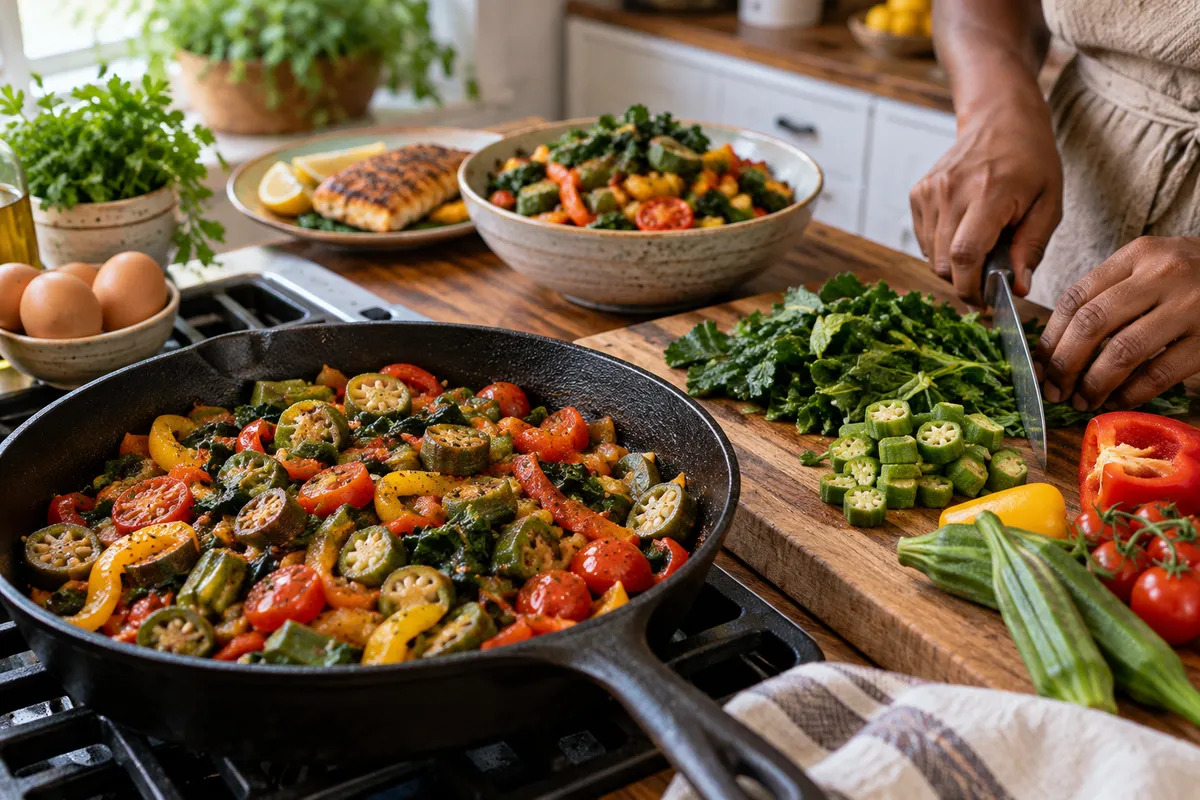
This template works with nearly any fillet and keeps cleanup minimal.
- Heat the oven to 200°C (400°F).
- Toss chopped vegetables, such as zucchini, cherry tomatoes and red onion, on a sheet pan with olive oil, salt and pepper. Roast 10 minutes.
- Nestle fish fillets among the vegetables. Brush with olive oil and add lemon zest, garlic and chopped herbs.
- Roast 8 to 12 minutes, depending on thickness, until the flesh turns opaque and flakes easily.
- Finish with lemon juice and a drizzle of olive oil.
Thin fillets cook faster than thick ones, so check early. Because the method is the same, swapping species costs you no extra effort.
Smart swaps for classic fish dishes
Many traditional seafood recipes lean on wheat flour, butter or cream. Paleo versions are easy.
- Breading: use almond flour or a mix of crushed nuts and herbs instead of breadcrumbs. Bind with beaten egg.
- Creamy sauces: blend coconut milk with garlic, lemon and dill, or simmer it with curry spices for a quick poaching liquid.
- Thickening a chowder or fish stew: puree some of the cooked vegetables, such as cauliflower or sweet potato, instead of adding a flour roux.
- Fish cakes: swap potato-and-breadcrumb binding for mashed sweet potato, egg and a spoonful of almond flour.
- Butter: use ghee if you tolerate it, or olive oil.
A simple fish stew for using less familiar species
Stews are forgiving, which makes them the best place to try an unfamiliar fish.
- Soften diced onion, fennel and garlic in olive oil for 5 minutes.
- Add a tin of chopped tomatoes, a strip of orange zest, a pinch of saffron or smoked paprika, and 500 ml (2 cups) fish or chicken stock.
- Simmer 15 minutes.
- Add chunks of firm fish and, if you like, mussels. Cook 5 to 8 minutes until the fish is opaque and the shells open. Discard any that stay shut.
- Top with parsley.
Mixing two or three kinds of seafood is the point. Ask the counter for a combination rather than one species.
Meal prep: cook once, eat fish twice
Fish has a reputation as a same-day food, but you can plan around it.
- Day one: roast a double batch of fillets using the one-pan method.
- Day two: flake leftovers into a salad with avocado, cucumber and olive oil, or mix with mashed sweet potato and egg for quick fish cakes.
- Storage: cool cooked fish quickly, refrigerate in a sealed container and eat within a day or two. Stew keeps well and reheats gently.
Tinned fish helps too. Keep a few tins in the pantry for portable lunches, tossed with chopped vegetables, lemon and olive oil.
Why trying new fish is worth it
The study's authors argue that supermarkets and recipe culture quietly trained home cooks to rely on a small set of species. You can retrain yourself in the other direction. Variety may also help with sustainability and cost, since lesser-known fish are often cheaper, although prices vary by where you shop.
The study does not tell you which species to buy, and neither can a general article. Your fishmonger can.
Your next step
On your next shop, skip the big five once. Ask the fish counter for something you have not cooked, take it home, and use the one-pan method above.