Making friends as a parent can be harder than it sounds, and a lot of caregivers feel it. A recent Parents piece on parental loneliness, featuring Jennifer Whyte, founder of MomieGo, offers three ways to find mom or dad friends you actually connect with. The thread running through it: look for connection that feels genuine rather than forced, and focus on what matters to you.
Here's how to put that advice to work in the kitchen. You'll leave with three low-pressure ways to use food to start real friendships, plus easy Paleo-friendly recipes that make hosting simple.
A quick note on sourcing: the Parents article, per its summary, gives three broad ideas. The food strategies below are my own practical take on applying them, not Whyte's recommendations.
1. Find friends you actually connect with: host small, not big
The first idea from the Parents piece is to aim for people you genuinely click with, not just anyone who happens to be at the same playground. A big party makes that hard to judge. Conversation stays shallow when you're refereeing ten kids.
Try this instead: invite one other parent (and their kids) for a 90-minute afternoon snack. Small groups give you room to find out whether you actually enjoy each other's company.
An easy snack spread that takes 15 minutes
- Apple "nachos": slice two apples, drizzle with almond butter, and top with unsweetened shredded coconut and a few dark chocolate chips if your Paleo approach allows.
- Veggie and guacamole board: cucumber rounds, bell pepper strips, and carrots with store-bought or homemade guacamole.
- Hard-boiled eggs: boil a dozen ahead of time. Sprinkle with salt and paprika.
None of it needs an oven, and all of it is kid-friendly. That keeps your attention on the conversation instead of the stove.
2. Focus on what matters: share the meal, not the performance
The article's second point is to focus on what matters when making parent friends. In food terms, that means dropping the pressure to impress. A friendship built on a perfect spread is hard to keep up. One built on "I'm tired, here's soup" lasts.
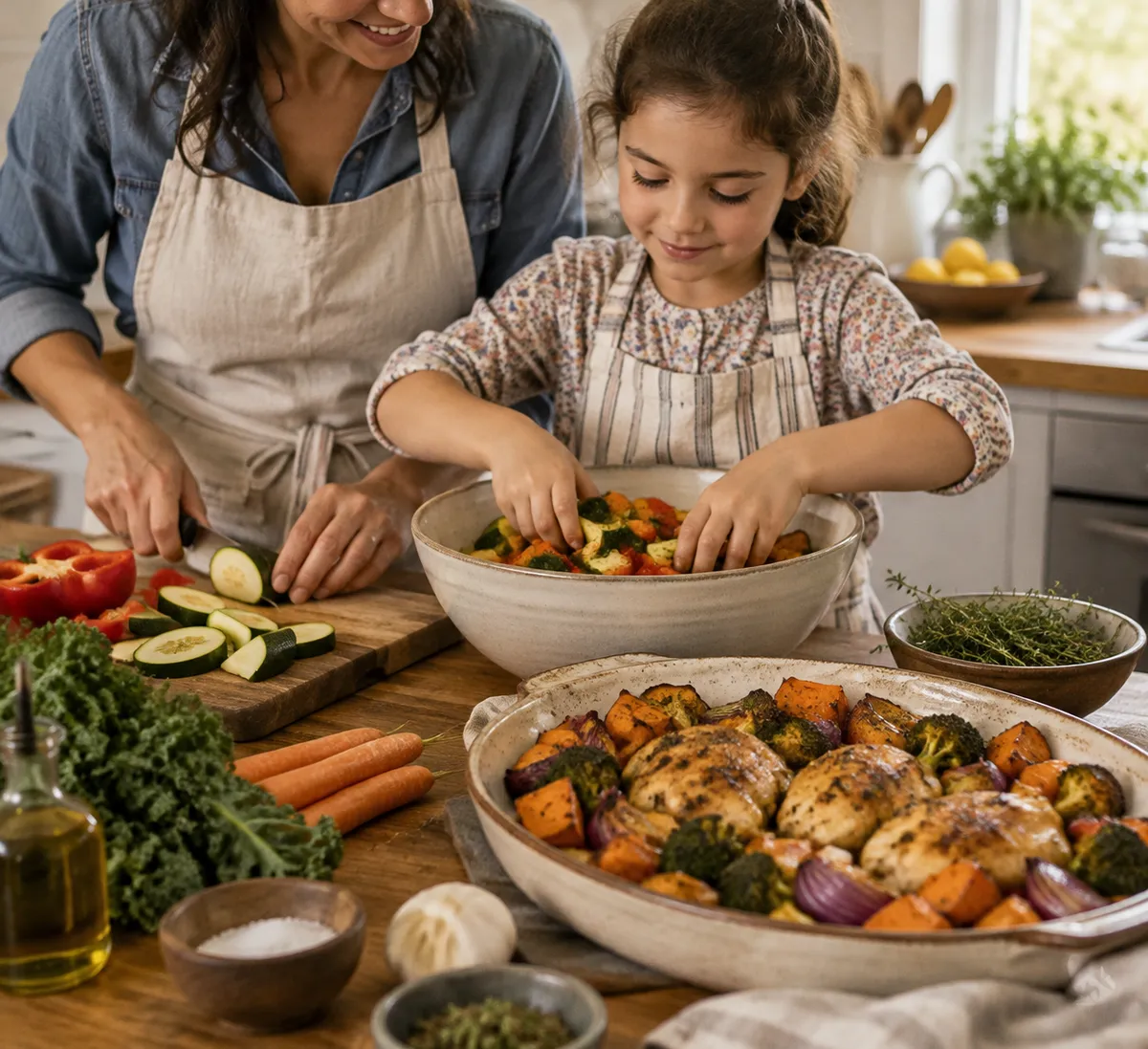
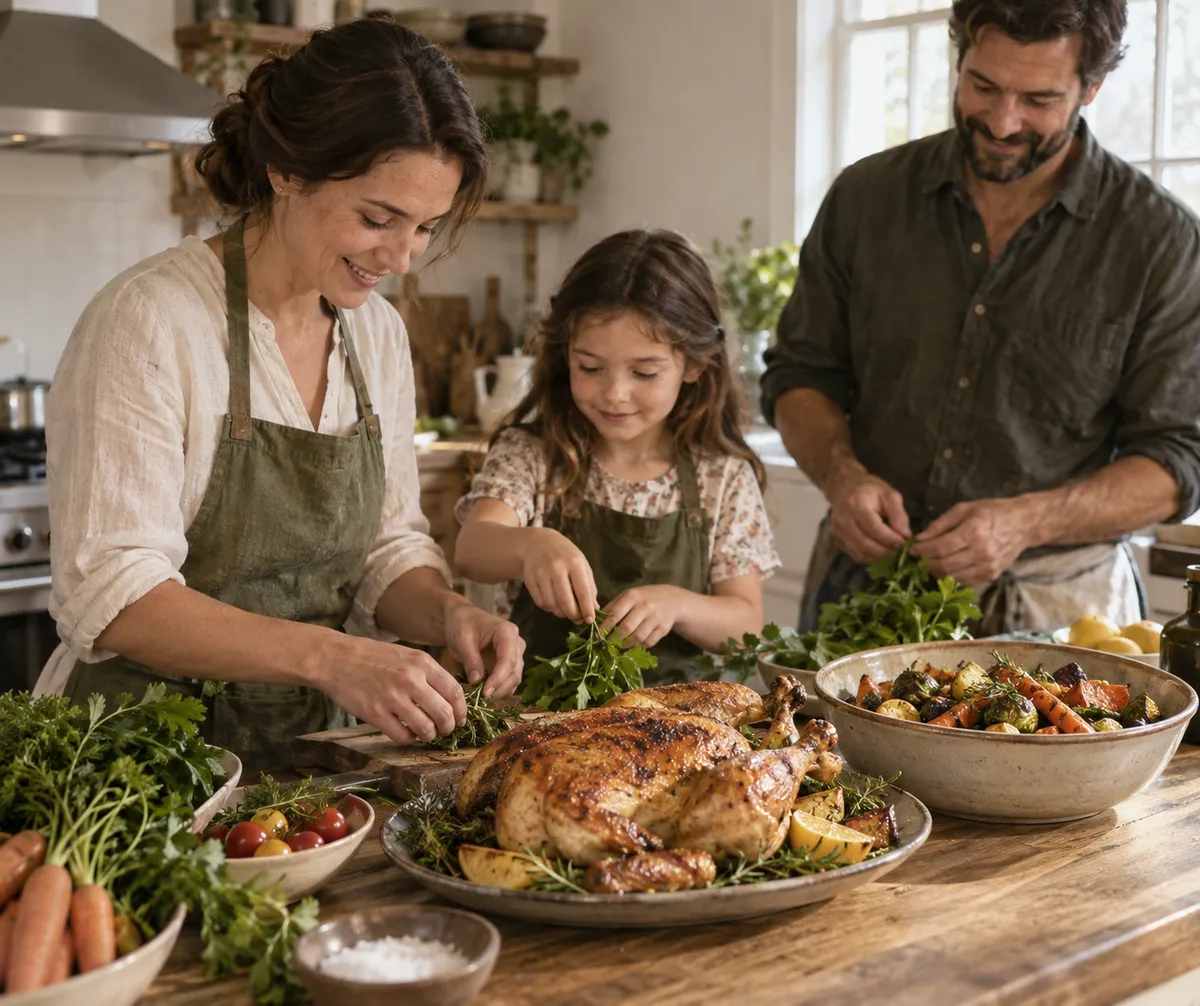
A one-pot meal does this well. It signals that you value company over polish, and it lets the other parent relax too.
One-pot chicken and vegetable soup
- Heat 2 tablespoons olive oil in a large pot. Cook one chopped onion, two sliced carrots, and two celery stalks for 5 minutes.
- Add two minced garlic cloves, then 1 pound boneless chicken thighs and 6 cups chicken broth.
- Simmer 20 minutes, remove the chicken, shred it, and return it to the pot.
- Add a diced zucchini and cook 5 more minutes. Season with salt, pepper, and a squeeze of lemon.
Make it the morning of, and it's ready when guests arrive. Leftovers go home in a jar, which is a friendly gesture on its own.
Handle dietary needs without making it awkward
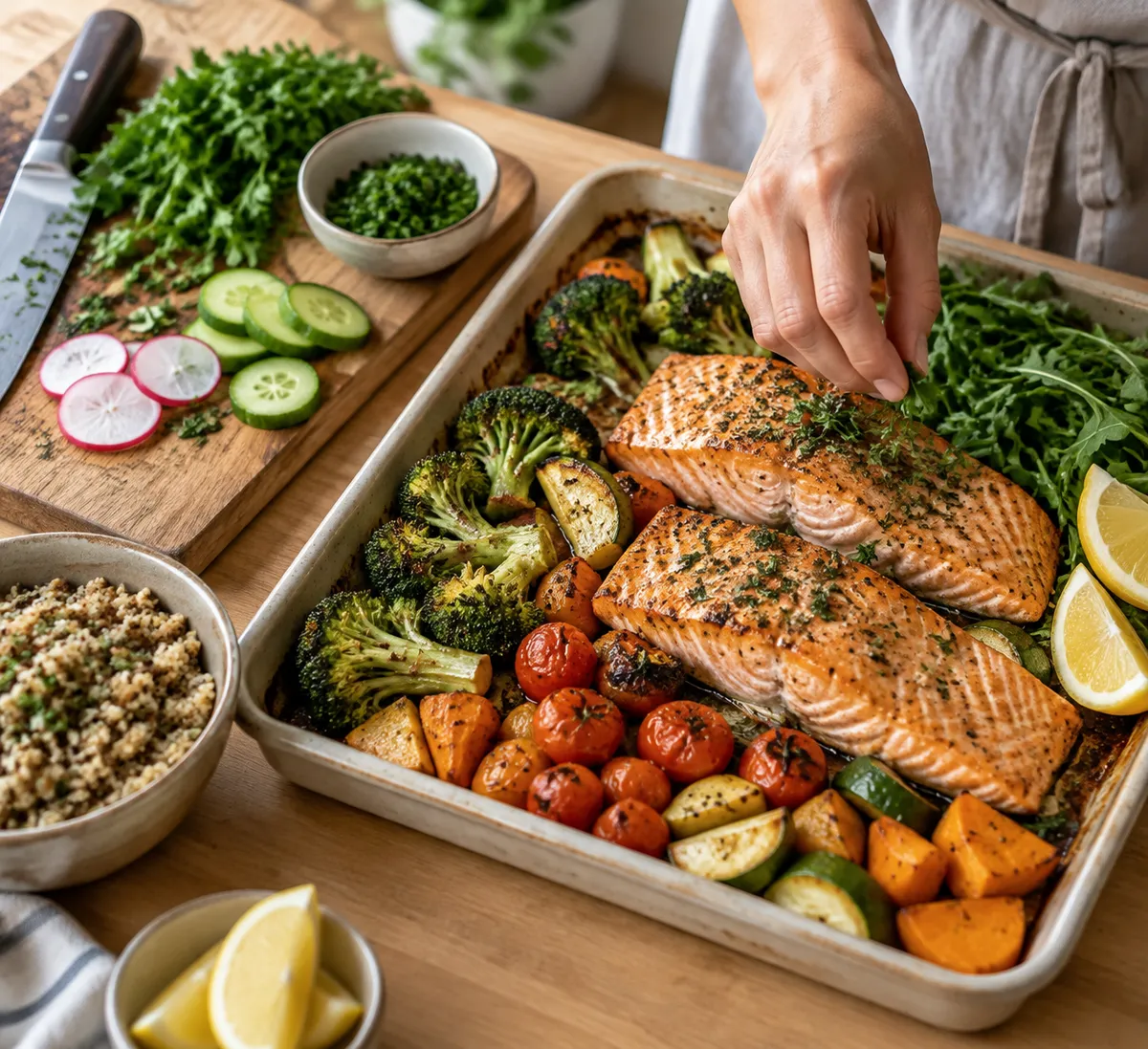
If you eat Paleo and your guest doesn't, keep it simple. Serve the soup with a side of rice or good bread for those who want it. Nobody needs a lecture on your diet, and a relaxed table is the point.
3. Build meaningful friendships: make it a rhythm
The third idea is building connections that last. One coffee or one playdate rarely does that. Repetition does. A recurring, easy ritual removes the awkward "should we do this again?" question.
Some food-based rhythms that work:
- Weekly soup swap: you make one big pot, a friend makes another, and you trade half each. Two meals for the price of one cooking session.
- Friday snack hour: same time, alternating houses, same simple rule: nothing fancy.
- Park picnic: pack portable lunches and meet at the same spot every couple of weeks.
Portable picnic lunch
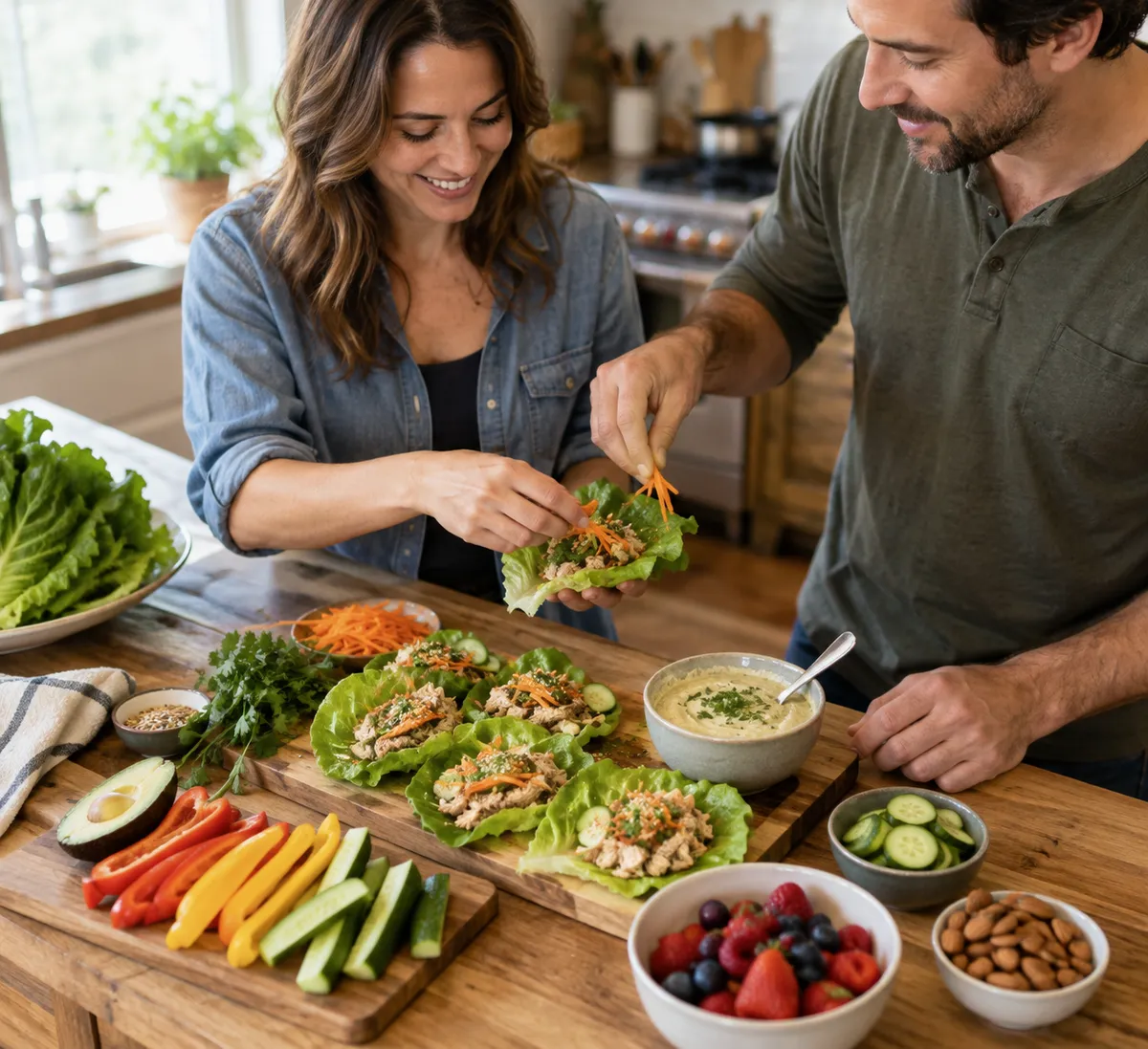
Pack sliced turkey rolled around avocado, a handful of berries, and a small container of nuts or seeds (check school or park rules on nuts if other kids will be around). It travels well and needs no reheating.
Keep it from feeling forced
Some small habits make these invitations feel natural:
- Use a simple invitation. Something like "We're making soup Saturday, want to come by?" is enough.
- Let the kids be the excuse. Kids who get along give parents breathing room to talk.
- Accept imperfect. If the first get-together is a bit stiff, try once more before deciding. Rapport often takes a second round.
- Notice how you feel afterward. Energized usually means a good fit. Drained suggests you may want to look elsewhere. That's my take, not a rule from the article.
Your next step
Pick one parent you've chatted with, even briefly, and invite them over this week for a simple snack. Boil the eggs, slice the apples, and let the conversation do the rest.