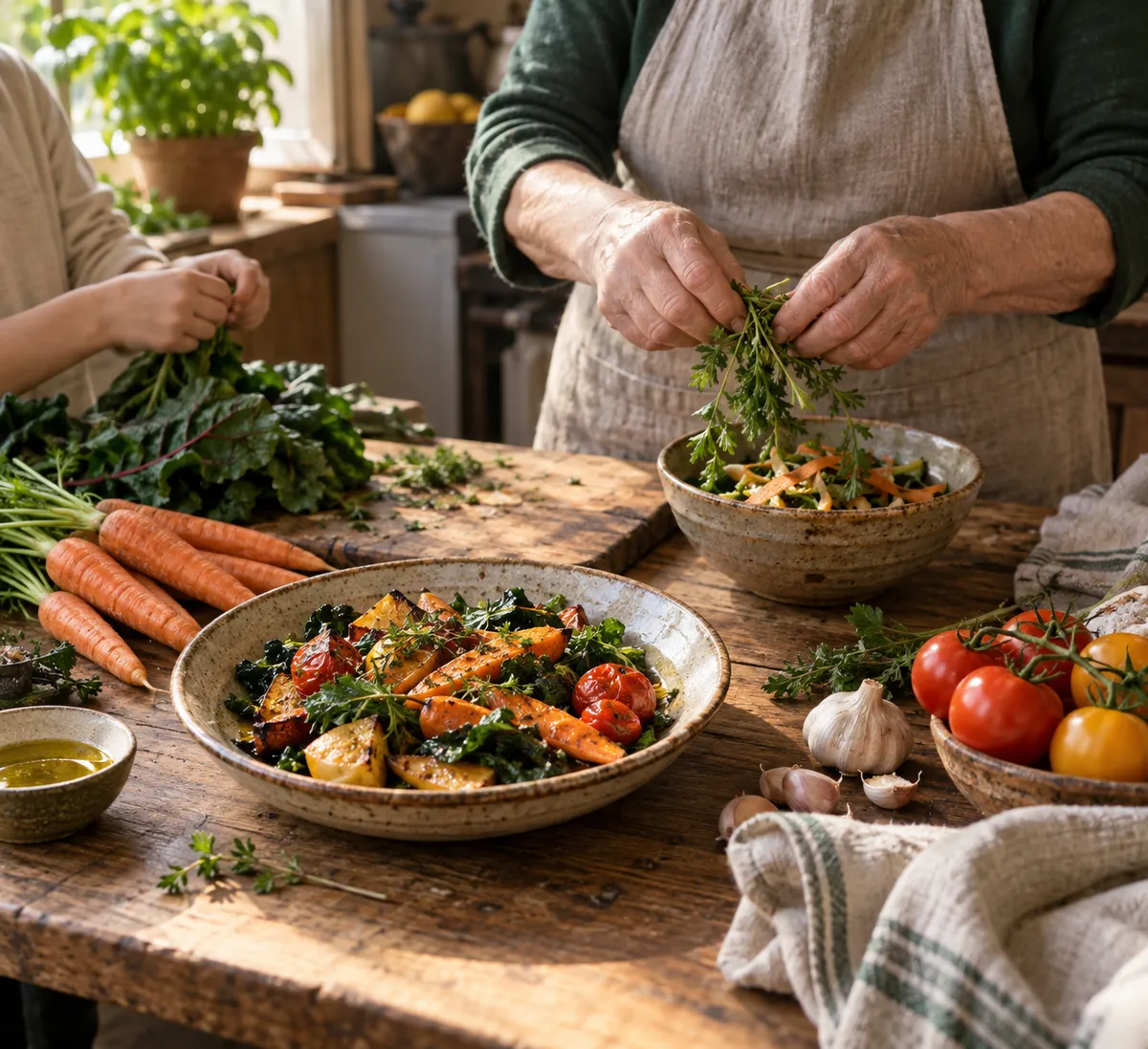
Pasta is the one thing Paleo cooks give up and miss most. But the most useful lesson from Italy's "Pasta Grannies" has nothing to do with wheat. It's about how you approach the kitchen, and you can borrow it without touching a grain.
Per Vogue, Vicky Bennison, author and creator of Pasta Grannies, documents the older Italian women who keep handmade pasta traditions alive and share life wisdom along the way. Her new cookbook is Eat Everything, and Vogue's profile includes a recipe from a nonna named Rosa: cicatelli con ciambutella. Below, I'll translate the spirit of that project into habits that fit a Paleo kitchen. I'm not claiming the grannies cook Paleo. They don't, and this piece is my take on what carries over.
Adopt the "Eat Everything" Mindset
The title of Bennison's new book, Eat Everything, points to a low-waste approach to food, which Vogue frames as part of the project's appeal. That idea fits Paleo cooking well, because whole foods come with parts most people throw out.
Some practical ways to do it:
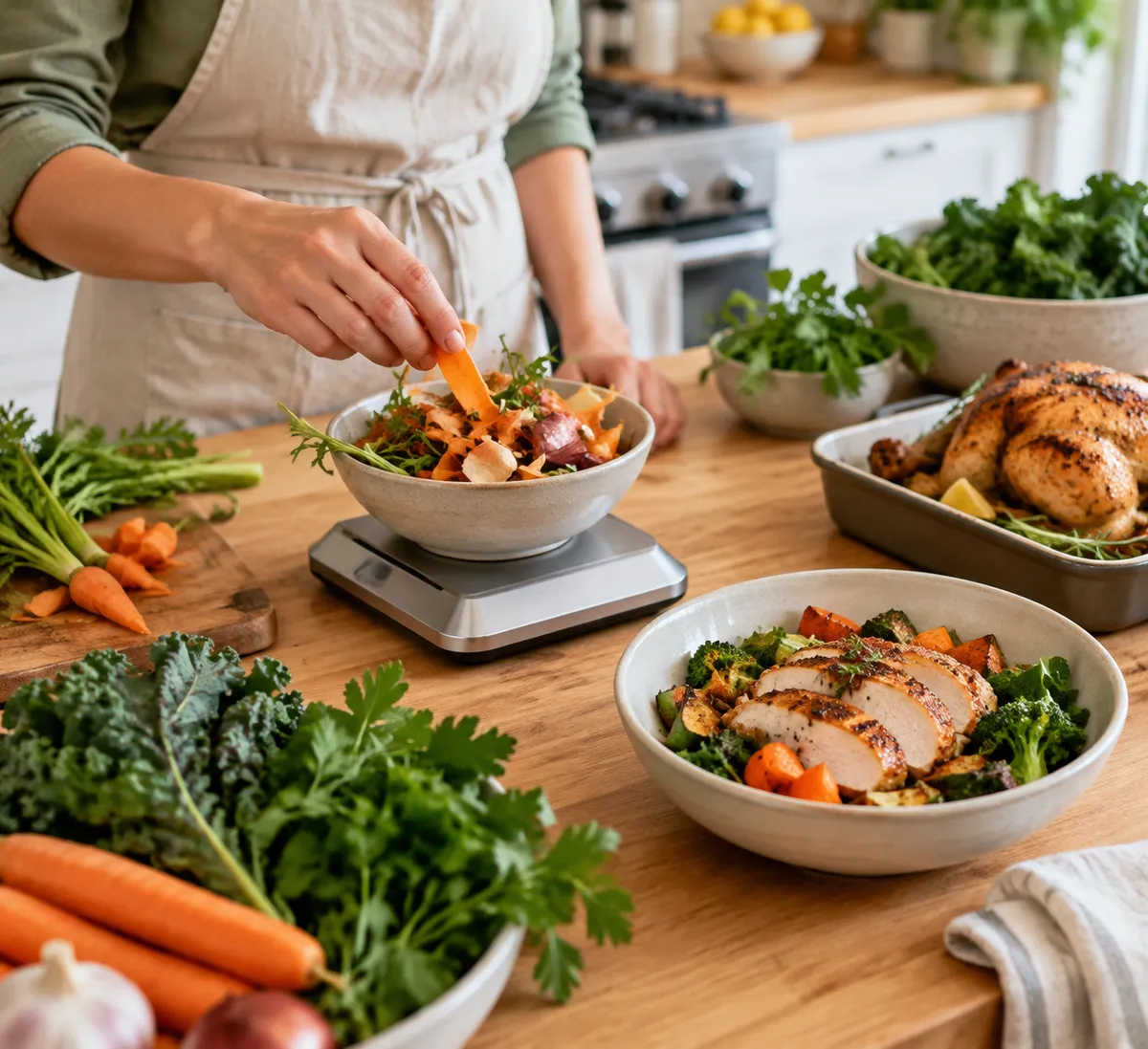
- Save vegetable trimmings. Keep onion ends, carrot peels, and celery tops in a freezer bag. When it's full, simmer them into broth for soups.
- Use the whole chicken. Roast it one night, shred leftovers for lunches, and boil the carcass for stock.
- Cook stems and leaves. Broccoli stems can be sliced thin and sautéed. Beet greens and radish tops wilt nicely in olive oil and garlic.
- Turn leftovers into a new meal. Last night's roasted vegetables become tomorrow's frittata.
This also lowers your grocery bill, which is the quiet obstacle for many people trying Paleo.
Cook With What You Have
Bennison's own framing, as Vogue describes it, treats la dolce vita as a practical lifestyle rather than a travel aesthetic. In the kitchen, that means starting from the fridge instead of a rigid plan.
Try a simple template:
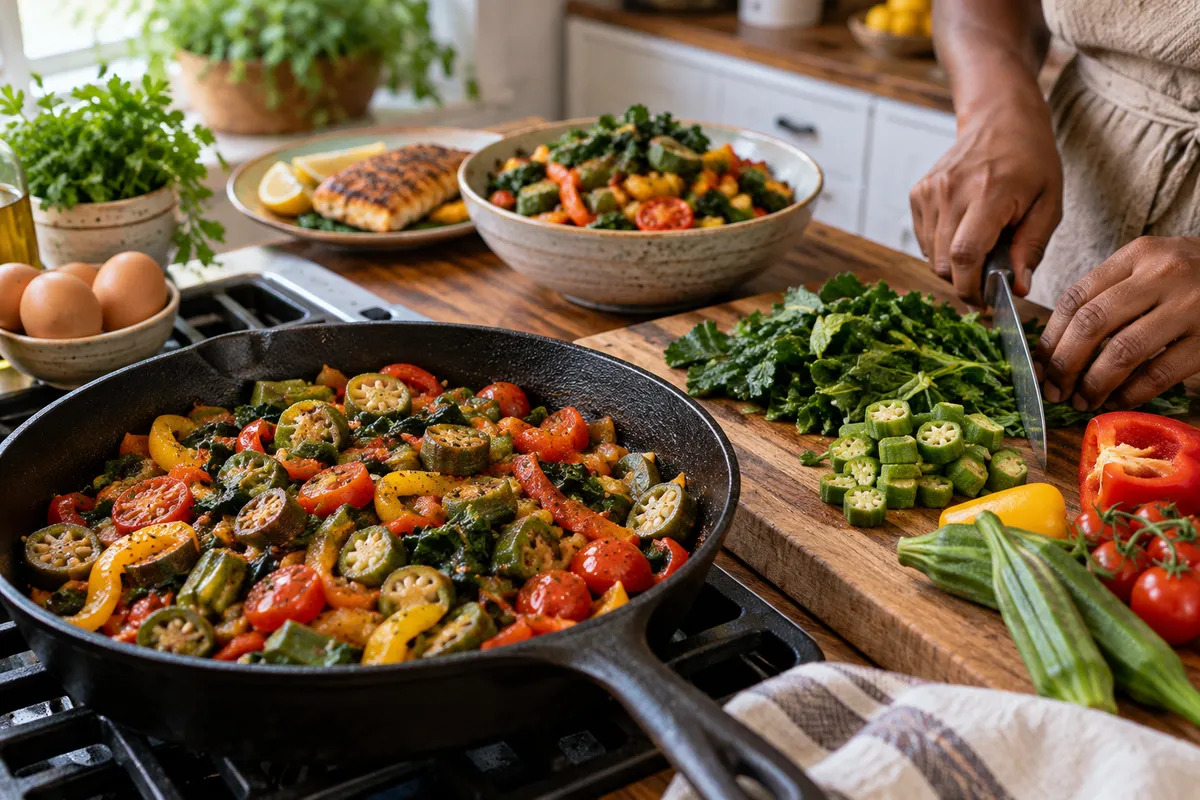
- Pick a protein (eggs, leftover chicken, canned sardines, ground beef).
- Pick two vegetables that need using up.
- Add fat and flavor: olive oil, garlic, lemon, herbs.
- Cook it in one pan.
That's dinner in about 20 minutes, and it never needs a special shopping trip.
Smart Swaps for the Pasta Shape You Miss
Rosa's cicatelli con ciambutella is a handmade pasta dish, and the full recipe appears in Vogue's piece. I can't reproduce it here, so I won't guess at quantities or technique. What I can offer is how to get the same comfort from Paleo-friendly stand-ins:
- Zucchini noodles for light, quick sauces. Salt them and pat dry so they don't turn watery.
- Spaghetti squash for hearty, slow-cooked sauces like ragù.
- Sweet potato noodles when you want something with more chew.
- Cabbage ribbons sautéed in olive oil, an underrated base for sausage and tomato.
The sauce is where Italian cooking shines anyway. A simple tomato sauce with garlic, olive oil, and basil is already Paleo-friendly, and it tastes the way a nonna would approve of.
Make Cooking a Social Act
The Pasta Grannies project is built around women sharing their skills and their stories. Vogue's piece also ties the project to broader interest in longevity and intergenerational knowledge. I wouldn't claim a particular dish keeps anyone healthy for longer. But the habit of cooking alongside other people is easy to copy:
- Invite a friend or family member to batch cook on Sunday.
- Ask a relative for the recipe they make by feel, then write it down as they cook.
- Let kids handle simple jobs: washing greens, tearing herbs, stirring.
Handmade food traditions only survive if someone is standing next to the cook. Vogue notes this is part of why the project matters, since those traditions are at risk of fading.
Preserve One Family Recipe This Month
Pick one dish from your own family. Cook it with the person who knows it best, and record what they do: how the dough or batter should feel, how long they cook things, what they taste for. Then make a Paleo version if you need one, swapping almond or cassava flour for wheat, coconut milk for cream, and keeping everything else.
A Simple Weekly Rhythm
To put all of this together without overthinking it:
- Sunday: Roast a chicken and a tray of vegetables. Start a stock with the bones and trimmings.
- Monday to Tuesday: Use leftovers in salads, soups, or a one-pan skillet.
- Midweek: Make a pot of tomato-based sauce and serve it over spaghetti squash or zucchini noodles.
- Weekend: Cook with someone, and write down what you learn.
The Takeaway
This week, don't throw out a single usable scrap. Cook one meal from what's already in your kitchen, and invite someone to eat it with you.