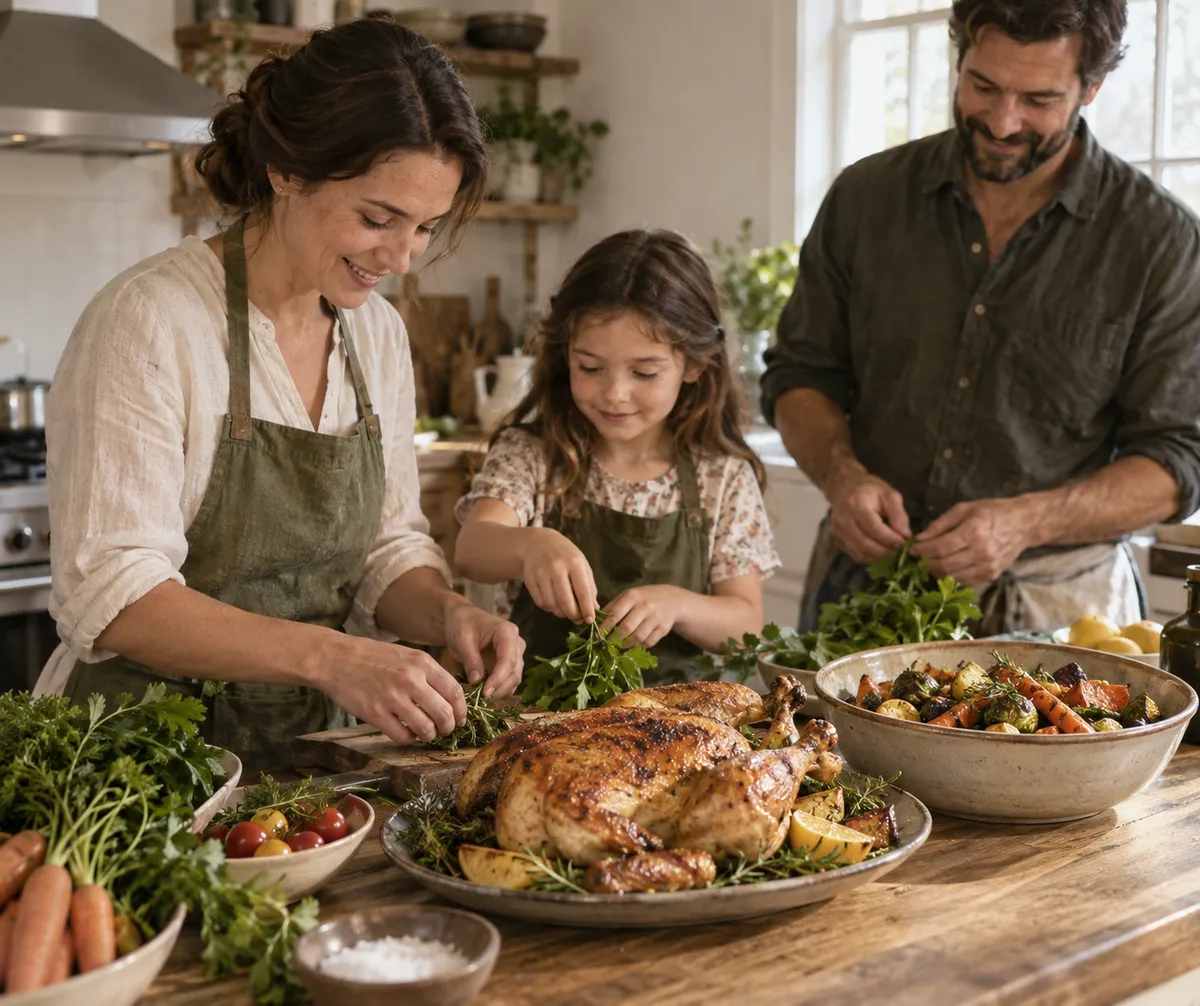
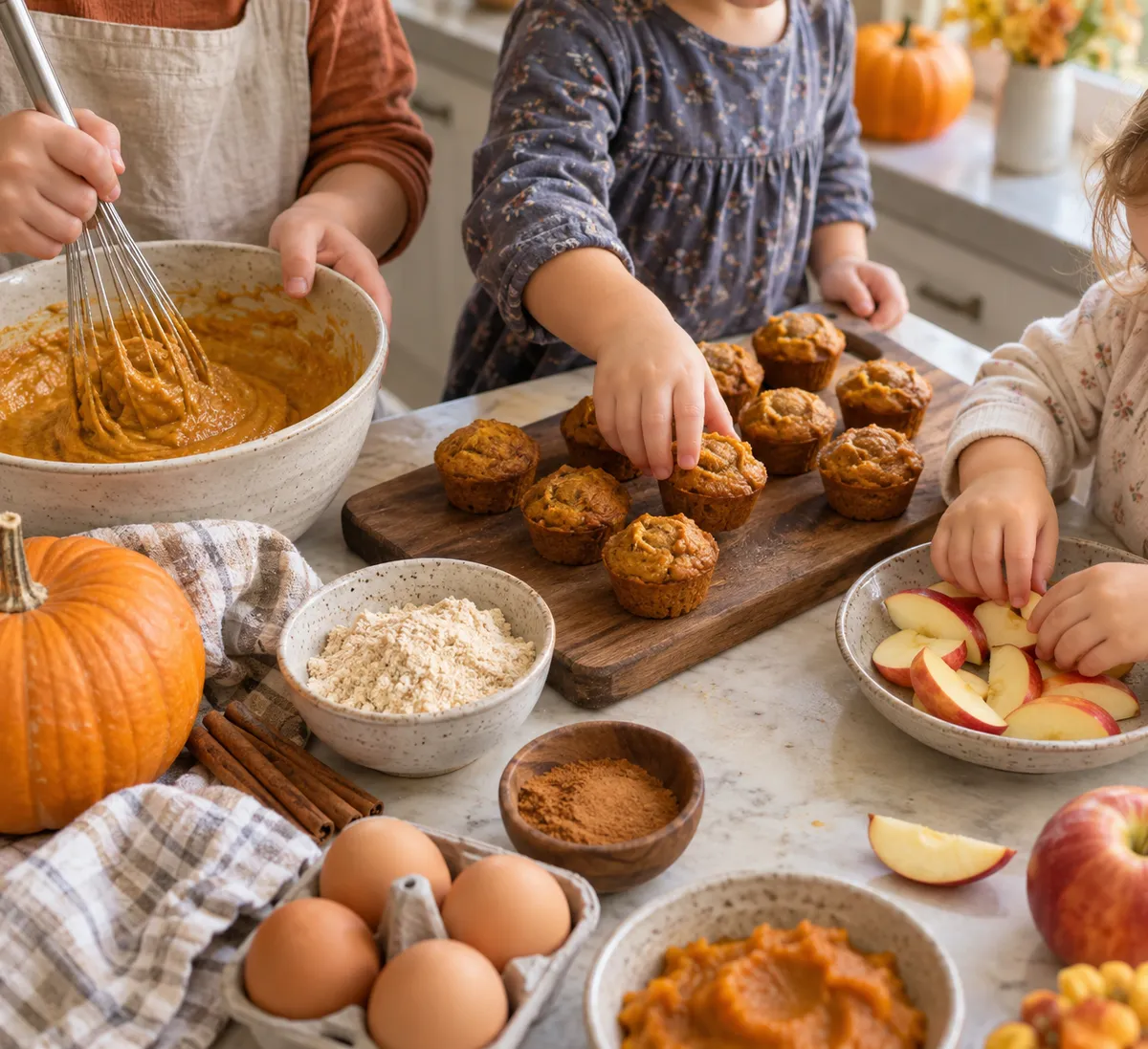
Cooking dinner with a toddler, a second-grader, and a tween in the same kitchen can feel like running three different programs at once. A piece from Cup of Jo offers a simpler way to think about it. The author, a mom of three small children in very different life stages, shares advice from poet Kate Baer: "find the equalizers." That means activities that children of different ages can all enjoy together.
The Cup of Jo piece applies the idea to family time in general. Here, we'll apply it to the kitchen, with Paleo-friendly projects where every kid has a real job. These ideas are our own adaptations of the principle, not recommendations from Baer or Cup of Jo. By the end, you'll have a handful of low-pressure cooking setups to try this week.
What an equalizer actually is
An equalizer isn't an activity designed for the youngest child, or one that stretches the oldest. It's something where the age gap stops mattering. Per Cup of Jo, the appeal is that it favors easy connection over an elaborate parenting plan.
In the kitchen, a good equalizer has three traits:
- Low skill floor. A small child can take part right away.
- Room to level up. An older child can take on a harder part of the same task.
- A shared payoff. Everyone gets to eat the result.
Build-your-own bowl night
This is the easiest equalizer to set up. Cook a base and a few toppings, then let everyone assemble their own dinner.
- Base: roasted sweet potato cubes, cauliflower rice, or shredded lettuce.
- Protein: ground beef or turkey, shredded chicken, or hard-boiled eggs.
- Toppings: diced avocado, cucumber, olives, salsa, sliced fruit.
The toddler scoops and sprinkles. The older kids peel eggs, chop soft vegetables with a kid-safe knife, or season the meat. Nobody is stuck eating something they didn't choose, and you cook one meal instead of three.
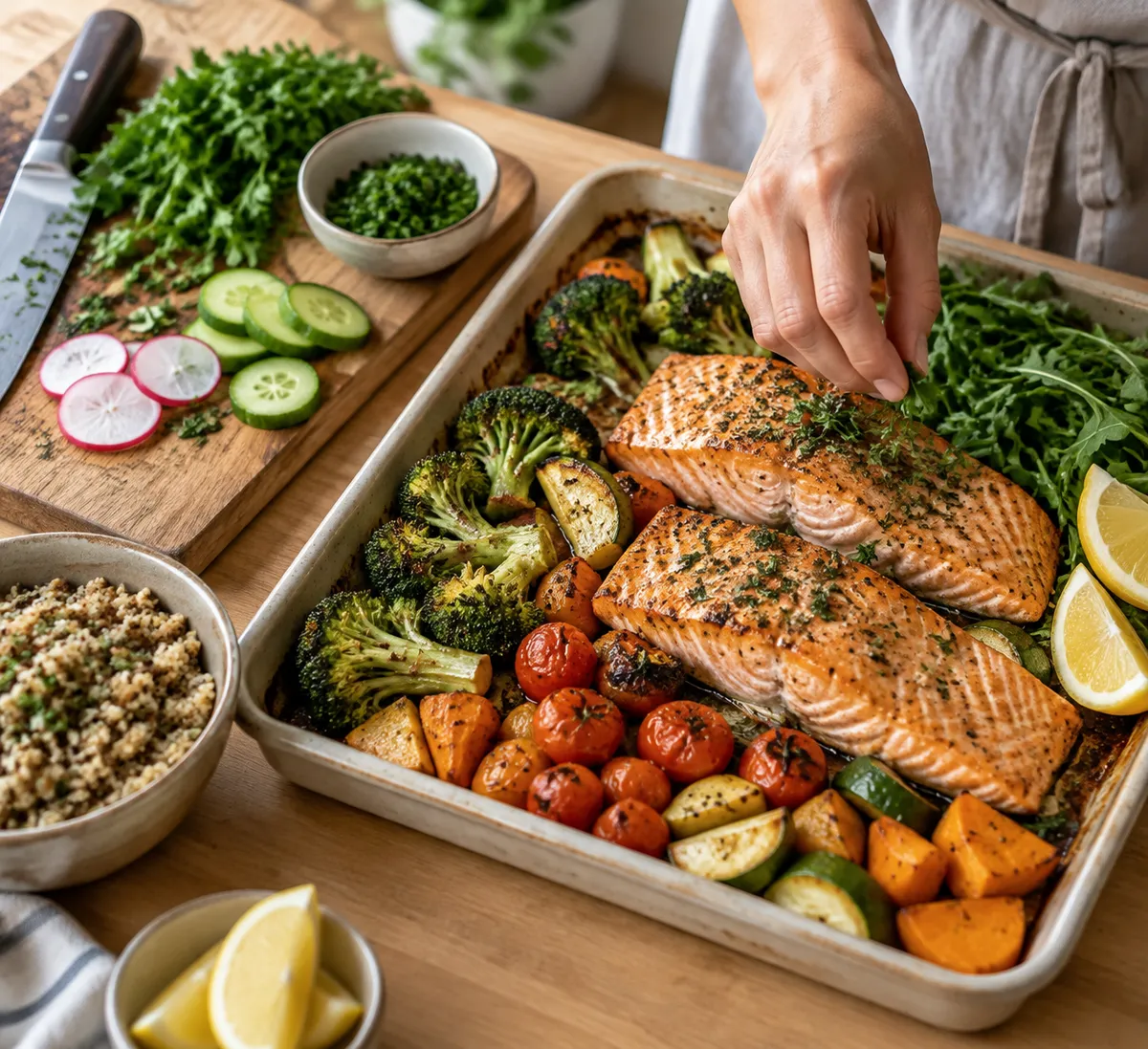
Sheet-pan sausage and veggies
One pan keeps cleanup short and the jobs obvious.
- Heat the oven to 400°F.
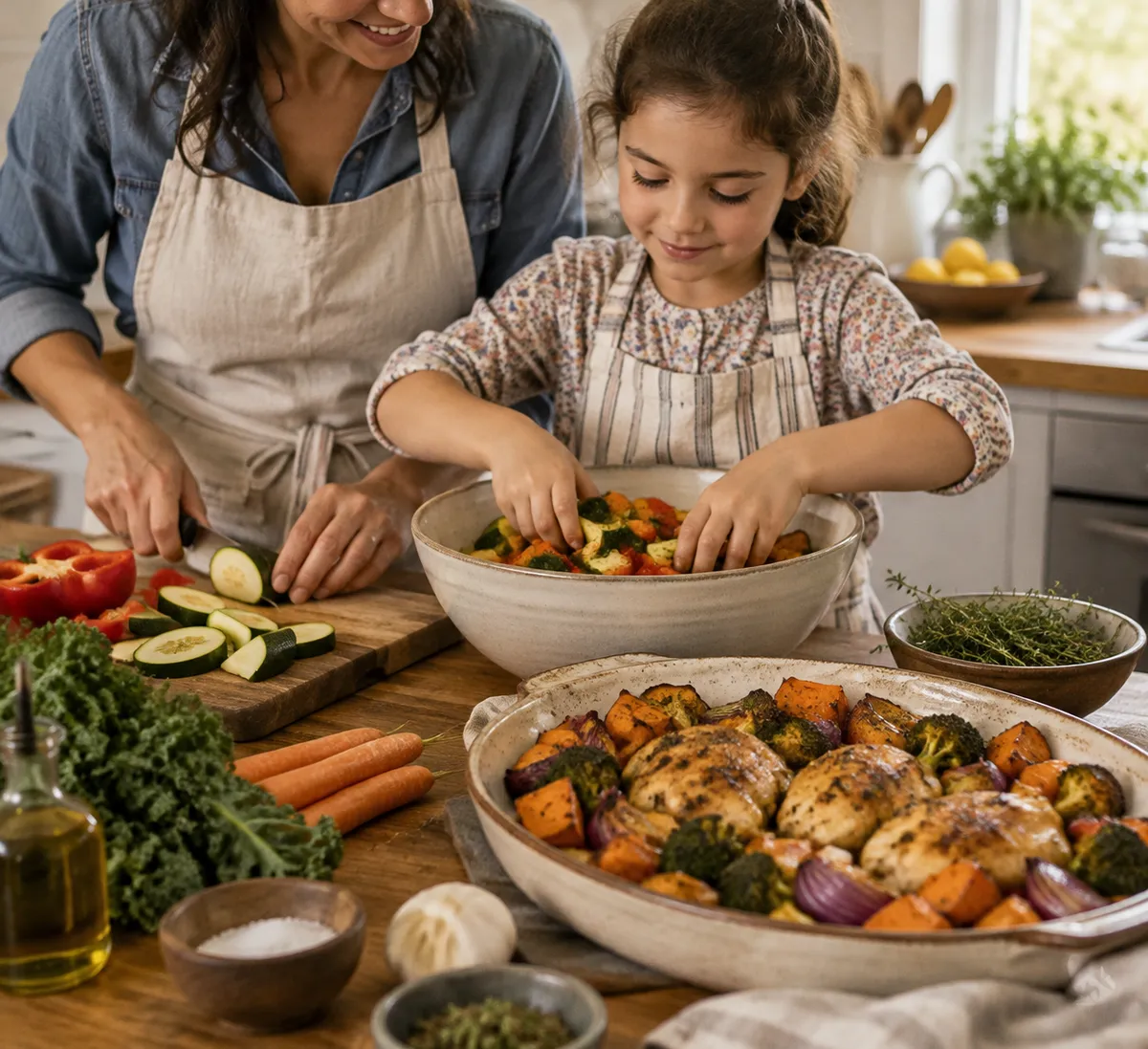
- Have the youngest child tear or snap soft vegetables like green beans.
- Have middle kids toss everything in a bowl with olive oil and salt.
- Have your oldest slice sausage or sweet potato under your watch.
- Spread on a sheet pan and roast about 25 to 30 minutes, until browned.
Swap vegetables by season: broccoli and carrots in fall, zucchini and peppers in summer.
Fruit-based baking everyone can touch
Baking is a classic equalizer because mashing, stirring, and pouring suit every age. Paleo versions lean on fruit for sweetness.
Two-ingredient banana pancakes
Mash a ripe banana and whisk in two eggs. Cook small rounds in a lightly oiled pan. Little kids mash and whisk. Older kids can flip, with you nearby. Top with berries.
Baked apples
Core apples (you handle this part), then let the kids fill them with chopped nuts, cinnamon, and a few raisins. Bake at 350°F for about 30 to 40 minutes, until tender. It works as a fall dessert and needs no flour or refined sugar.
Smart swaps that keep it simple
Equalizers fall apart when a recipe needs hard-to-find ingredients. Keep swaps basic:
- Wheat flour: almond flour or cassava flour in cookies and muffins. Use recipes written for them, since they don't swap one-to-one.
- Dairy: coconut milk or coconut cream for creamy soups and smoothies.
- Refined sugar: mashed banana, unsweetened applesauce, or a few chopped dates.
Seasonal equalizers beyond the stove
Cup of Jo's examples of equalizers include fall walks, baking, movies, and backyard hunts. You can fold the kitchen into each of those:
- Fall walk: pack apple slices with almond butter and a thermos of warm cider-spiced tea.
- Movie night: make a big bowl of stovetop popcorn in coconut oil, or a tray of fruit and nuts.
- Backyard hunt: hide hard-boiled eggs or fruit-and-nut snack bags as the "treasure."
When one activity doesn't fit everyone
Some days the toddler melts down or the tween refuses to participate. That's normal, and an equalizer doesn't need to work every time. Keep a short list of two or three reliable ones so you can switch without planning. If the older child opts out, give them a different role, like picking the music or setting the timer, rather than forcing the job.
Start your own list
Pick one project from above and run it this weekend. Afterward, jot down what worked and who did what. Within a few weeks, you'll have a personal list of your family's equalizers, and dinner will feel a lot less like three separate jobs.