Packing the lunchbox, tying the shoelaces, smoothing over a friendship spat: parents do a lot, and it comes from love. But per a report from Indiatimes, experts warn that doing too much can rob children of confidence, patience and problem-solving skills. The report describes an approach where parents support, scaffold, and then step back, letting kids learn through what experts call "desirable difficulty" and the messy middle.
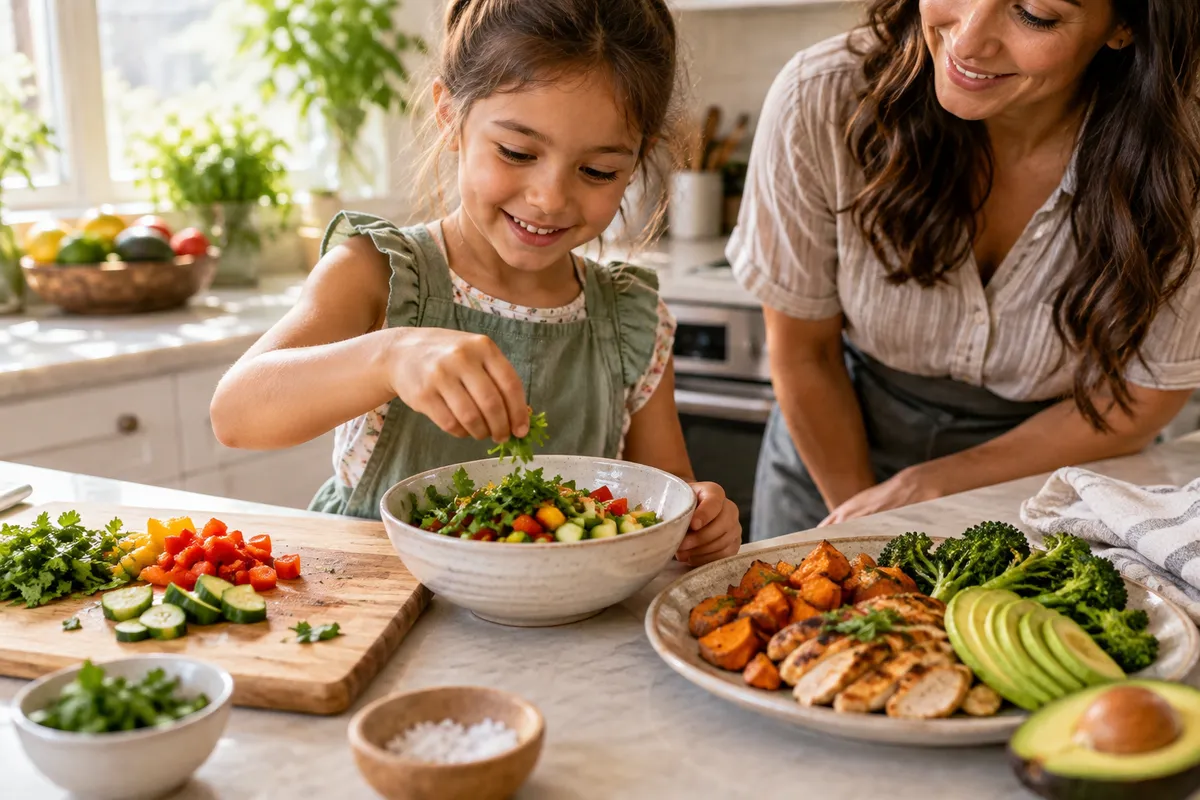
The kitchen is one of the easiest places to practice that. Family-friendly Paleo meals are mostly simple: chop, mix, roast, scramble. Below is how to turn them into low-stakes practice, plus what to say when your child struggles. The kitchen examples and age suggestions are my own practical ideas, not findings from the report.
Help, Rescue, or Step Back?
The core idea from the experts cited by Indiatimes is that kids gain from working through small struggles. A useful test in the kitchen:
- Helping: You show how to hold the egg and crack it on the counter, then hand it over.
- Rescuing: You take the egg back the moment shell lands in the bowl.
- Stepping back: You say "Shell in the bowl. What could you use to get it out?" and wait.
Shell in the bowl is a perfect mistake. It's fixable, it's harmless, and the fix teaches more than a perfect first egg would.
Jobs Your Child Can Try in a Paleo Kitchen
These are rough suggestions. You know your child's abilities better than any age chart, so adjust.
Younger kids (around 4-6)
- Wash fruit and vegetables for a snack plate.
- Tear lettuce or herbs.
- Stir batter for banana-egg pancakes (just mashed banana and eggs, whisked).
- Crack eggs into a separate small bowl first.
Middle childhood (around 7-9)
- Measure out spices for a taco-seasoned ground beef or turkey skillet.
- Peel carrots and sweet potatoes.
- Scramble eggs with supervision at the stove.
- Pack their own container of sliced fruit, nuts and hard-boiled eggs.
Older kids (around 10-11 and up)
- Plan one dinner a week from a short list you approve.
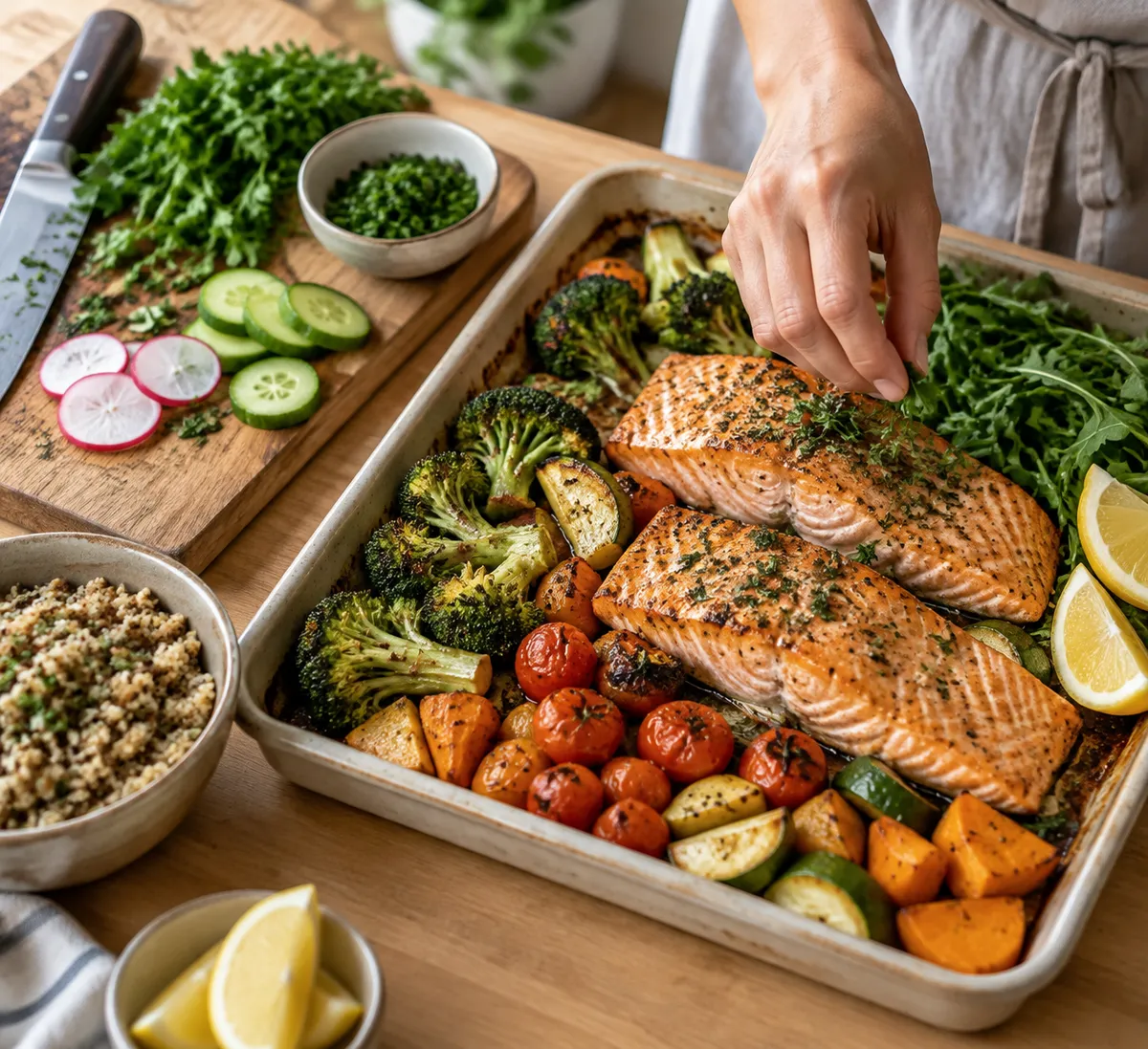
- Cut vegetables for a sheet-pan chicken dinner.
- Make a batch of soup with you nearby, not over them.
- Pack their own school lunch from a checklist.
Scripts: Ask Instead of Fix
When your child hits a snag, your first instinct is to grab the spoon. Try a question first:
- "What have you tried so far?"
- "What do you think will happen if you turn the heat down?"
- "What would you change next time?"
- "Do you want a hint, or do you want to try one more thing?"
If they're stuck after a real attempt, give one small piece of help, then step back again. That's the scaffold-then-retreat rhythm the experts describe.
Build a Routine Without Taking Over
Checklists let kids run a task without you narrating it. Post one where they'll see it.
Lunch-packing checklist (one item from each):
- Protein: leftover chicken, hard-boiled egg, or deli turkey
- Fruit or vegetable: apple slices, berries, cucumber, baby carrots
- Healthy fat or crunch: nuts or seeds (check your school's rules), olives, avocado
- A treat if you allow one: a couple of dates or a fruit-based snack
Pack the lunch the night before, and let them do it. Expect a lopsided lunch occasionally. A missing fruit serving is a small cost for a child who learns to check the list.
Weekly Meal Prep Tasks Kids Can Own
Batch cooking gives plenty of safe, repeatable jobs:
- Sunday: Your child washes and bags snack veggies.
- Sunday: They stir the spice mix into a big pot of chili or soup.
- Midweek: They reheat their own portion and check it's hot (with supervision for younger kids).
Owning a recurring job builds the patience and independence the Indiatimes report says over-helping can erode.
When Things Go Wrong (They Will)
Burnt edges, lumpy batter, a spilled bowl. Treat these as information, not failure. Ask what happened, let your child help clean up, and try again. The report's point is that kids who never get to make small mistakes miss the chance to build frustration tolerance and grit, so resist the urge to make every meal perfect.
Stepping back is not abandoning. Stay in the room, stay calm, and stay available. That's different from taking over.
Your Next Step
Pick one job this week that you normally do for your child, such as cracking the eggs or packing the lunch, and hand it over completely. Then bite your tongue, and let the shell land in the bowl.