Olivia Zhang, a Harvard student, recently shared three rules her mother followed that she says helped shape her discipline, gratitude, and bilingual skills. Indiatimes reported on the post, which she shared on Instagram, and the headline captures her mixed feelings: the rules were annoying at the time. The main idea is that small, repeatable family habits can build character without extreme pressure.
That idea fits a Paleo household well. Changing how your family eats works the same way: a few clear, boring, repeatable habits beat a dramatic overhaul. Below, each of the three rules from the report is translated into something you can do around your own kitchen table. The rules come from the report. The kitchen applications are my own suggestions, not claims from Zhang or Indiatimes.
Rule 1: Set a clear boundary instead of negotiating daily
The first rule, per the report, is to set clear screen-time boundaries rather than renegotiating them every day. The useful part is the word negotiating. A rule that's up for debate each evening turns into a nightly argument.
The same logic works for food. If every dinner includes a debate over what's allowed, you'll tire out before the kids do. Try a few fixed defaults:
- Dinner happens at the table, screens off. This pairs the screen boundary with meal time, so one rule does double duty.
- One standing snack spot. Keep a bin or fridge shelf with pre-approved Paleo snacks: apple slices, hard-boiled eggs, nuts if your family tolerates them, and cut veggies. Kids pick from the shelf; you stop fielding requests.
- Dessert is a known quantity. Decide ahead of time whether it's a weekend fruit-based treat or a few nights a week, then stick with it.
Predictability does the work. When the answer is always the same, kids stop asking.
Rule 2: Teach gratitude through small, repeated actions
The second rule is intentional thank-yous, practiced through small actions over and over rather than a single big lecture about appreciation.
The kitchen offers natural repetition. Three easy ways to build it in:
Thank the cook, every time
Make it a household habit that whoever eats says thank you to whoever made the meal, including when a kid made the toast. Keep it short and routine so it doesn't feel like a performance.
Name one thing you're glad about
At dinner, each person names one ingredient or part of the meal they liked. It's specific, quick, and avoids the forced politeness of a rote "thanks."
Give kids a real job
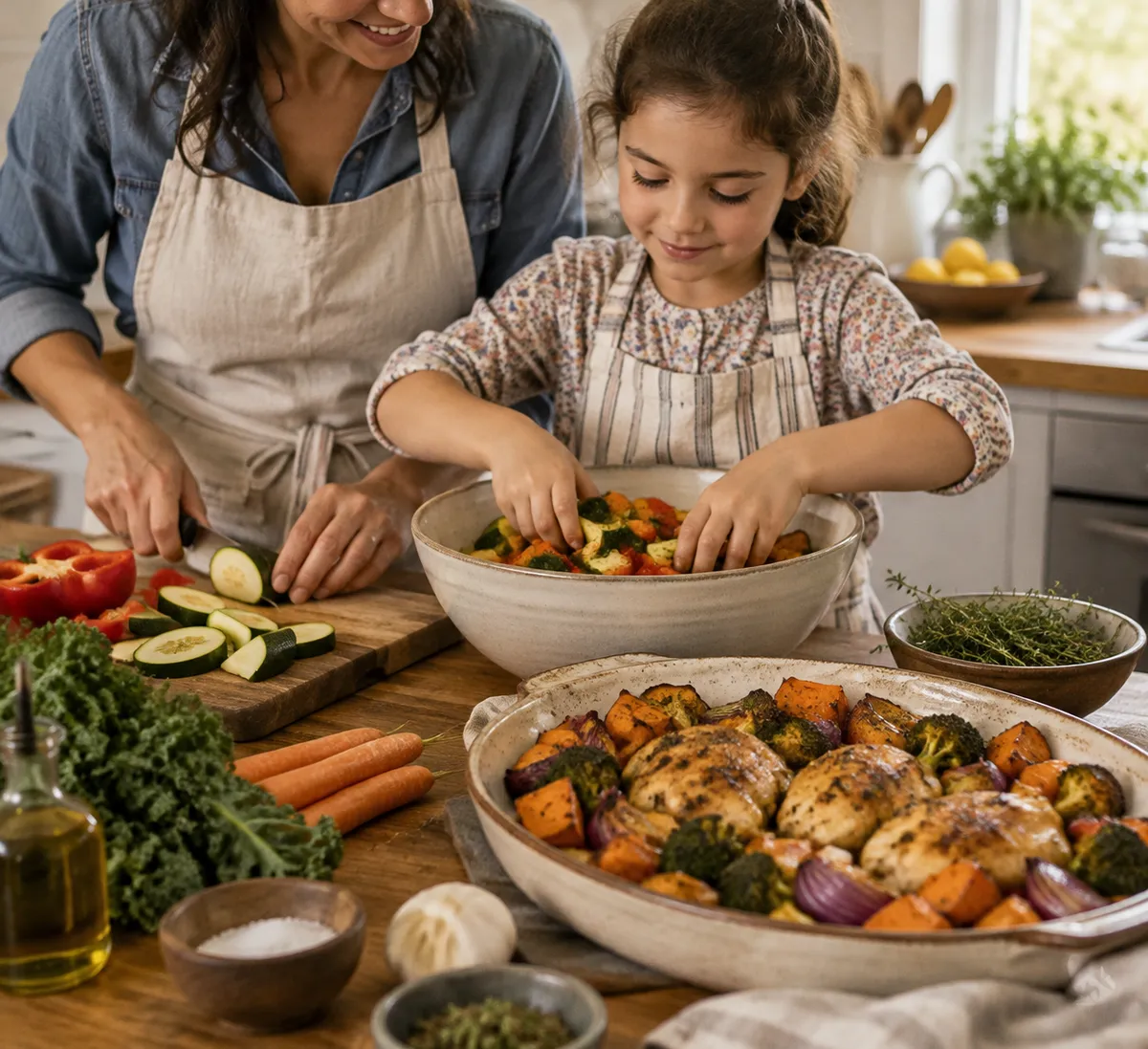
Let children wash produce, stir a one-pan dinner, or mash sweet potatoes. People thank those who do work they understand, and kids who've done some of that work tend to see it more clearly.
Rule 3: Make learning a regular habit, but keep it meaningful
The third rule, in the report, is consistent language learning: making learning a regular habit while keeping it meaningful. Zhang credits this for her bilingual skills, and the coverage stresses meaning over pressure.
In a Paleo kitchen, consistent, meaningful learning can be small:
- Cooking vocabulary in a second language. If your family speaks or studies another language, name ingredients and steps in it while you cook. The task gives the words a purpose.
- One new ingredient a week. Let a child choose an unfamiliar vegetable or fruit at the store, then look up how to prepare it together.
- Kids read the recipe. Measuring and following steps builds reading and math without feeling like homework.
The point is regularity. Ten minutes a few times a week, tied to something real, is easier to sustain than occasional marathon sessions.
What about the "annoying" part?
Zhang's framing is that the rules were irritating in the moment and valuable later. Expect that. Your kids may groan at the screen-free table or the nightly thank-you. Groaning doesn't mean the habit isn't working. It usually means the boundary is holding.
Keep the tone calm rather than harsh. The appeal of the approach, as the coverage presents it, is that it feels practical rather than punishing. A firm rule delivered cheerfully lands better than a strict one delivered with a lecture.
A simple starting plan
Don't adopt all three at once. Pick one this week:
- Screens: Make dinner screen-free, no exceptions, for seven days.
- Gratitude: Start the "one thing I liked" round at dinner.
- Learning: Have a child read tonight's recipe aloud and run one step.
Pick the one that fits your family's biggest friction point and repeat it until nobody remarks on it. Habits that become boring are the ones that last.