Chef Bjorn Shen works non-traditional hours and has three kids. According to a Straits Times profile, his approach to parenting rejects guilt and puts emotional presence ahead of being constantly available. That idea fits the kitchen well. You don't need to be home every night at six to make food a point of connection. You need a few reliable systems and a couple of moments each week that belong to your family.
Below is a practical way to apply that mindset to Paleo-inspired family cooking: less pressure, more planning, and meals that carry the connection when your schedule can't.
Start With Presence, Not Perfection
The Straits Times piece describes Shen as rejecting guilt-driven parenting. The takeaway for your kitchen is simple: a homemade Paleo dinner is not a test of whether you're a good parent. If a week gets chaotic, a rotisserie chicken, a bag of salad greens and sliced fruit is still a real family meal.
Set a modest standard you can actually hit:
- Aim for two or three shared meals a week, not seven.
- Pick the meal that fits your schedule. For many working parents that's weekend breakfast, not weeknight dinner.
- Put the phone away for that meal. Attention is the part kids notice.
Batch Cook One Base, Eat Three Ways
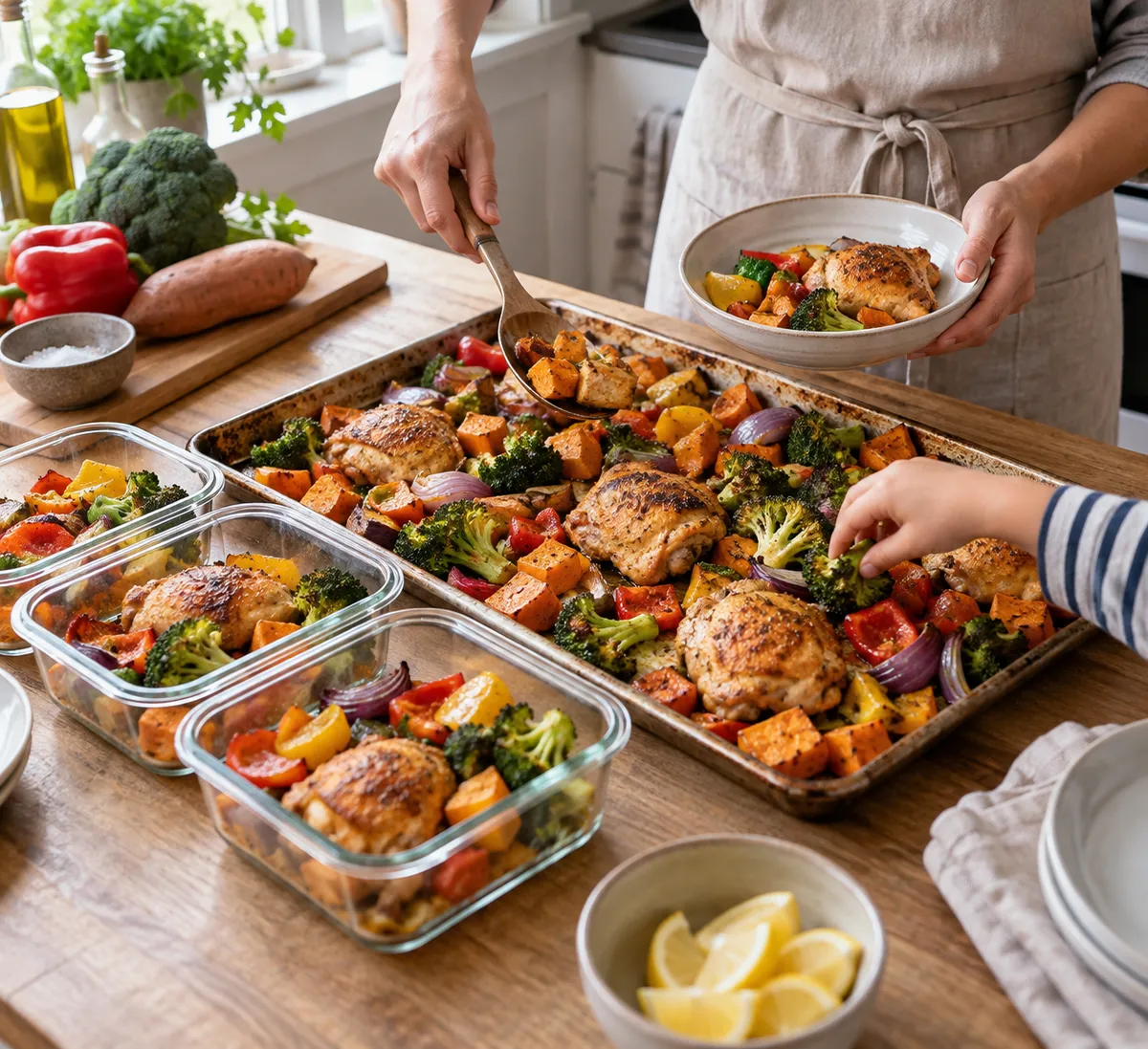
When your hours are unpredictable, cooking once and eating several times is the best lever you have. Spend 60 to 90 minutes on a weekend or a quiet weekday.
A simple prep plan
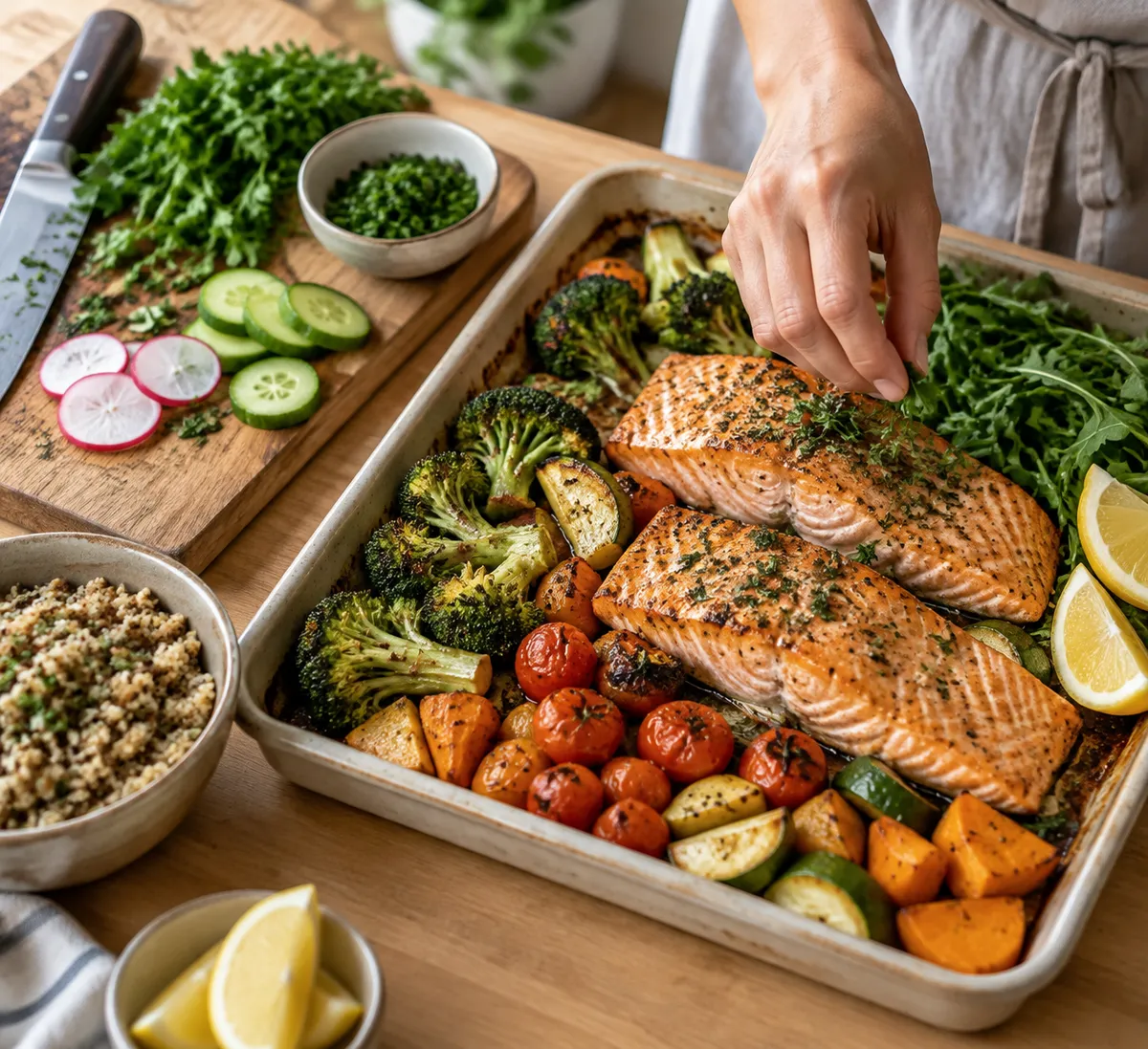
- Roast a sheet pan of protein. Chicken thighs seasoned with salt, garlic powder and paprika work well. Roast at 425°F (220°C) for about 35 to 40 minutes, until the juices run clear.
- Roast a second pan of vegetables. Sweet potato cubes, broccoli and carrots all handle reheating.
- Cook a pot of something saucy. A ground beef and tomato mix, or a simple chicken and vegetable soup, freezes well in portions.
- Wash and chop raw extras. Cucumber, bell pepper and fruit make easy sides.
Turn it into three meals
- Night one: Chicken, roasted sweet potato and broccoli on a plate.
- Night two: Shredded chicken in lettuce cups with sliced pepper, avocado and a squeeze of lime.
- Night three: Chicken and vegetables simmered in broth for a fast soup.
The kids see different food. You only cooked once.
One-Pan Dinners for the Nights You're Home
On the evenings you do get home in time, keep cleanup tiny so the time goes to the table, not the sink.
Sheet-pan sausage and vegetables
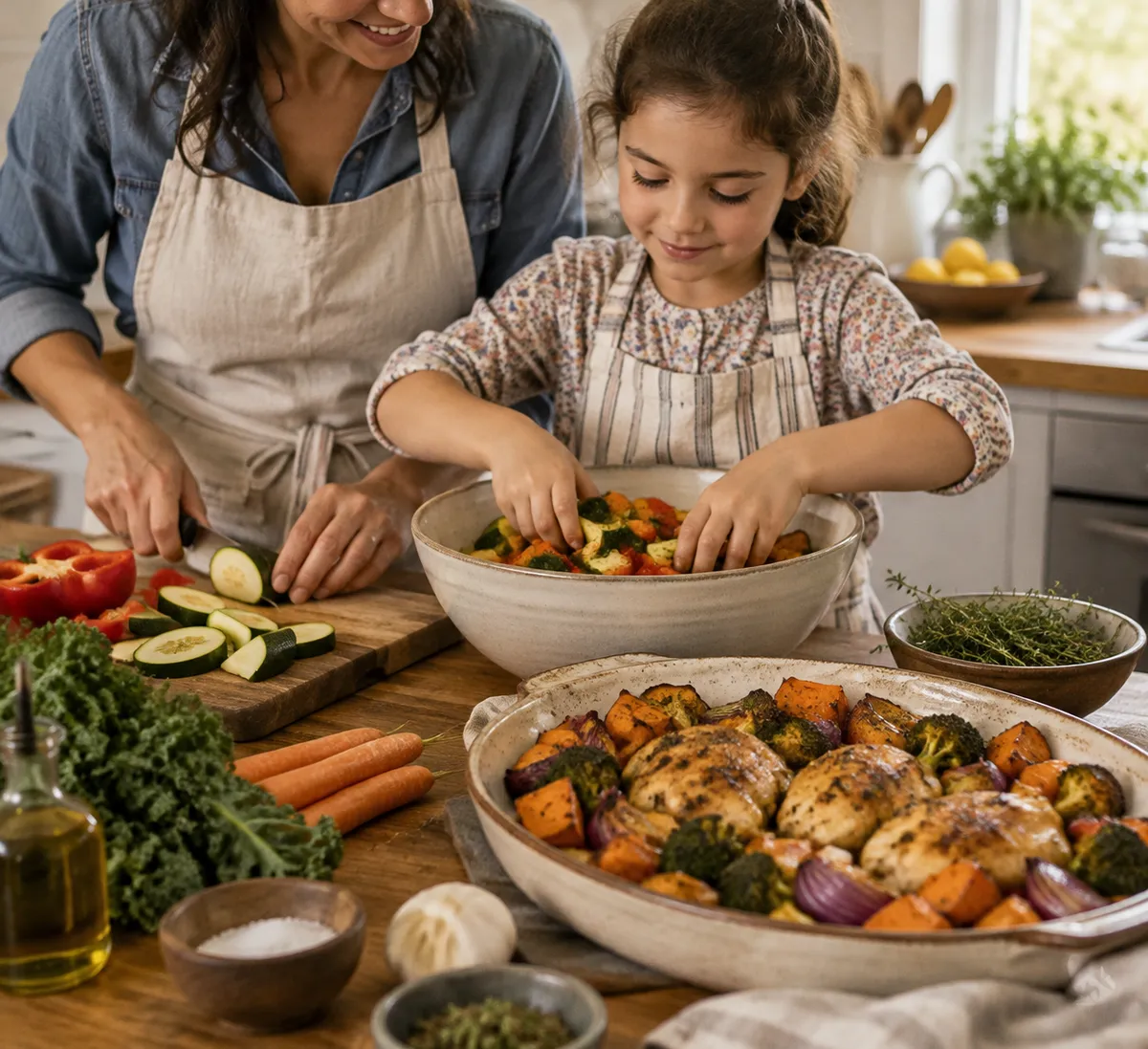
Slice compliant sausages (check labels for added sugar and fillers), toss with chopped zucchini, red onion and baby potatoes in olive oil, and roast at 425°F for about 25 minutes. Let kids toss the vegetables in the oil with their hands. Small jobs make a meal feel shared.
Skillet taco bowls
Brown ground turkey or beef with cumin, chili powder and garlic. Serve over cauliflower rice or shredded lettuce, and set out toppings like diced tomato, avocado and salsa so everyone builds their own bowl.
Smart Swaps That Keep Picky Eaters Happy
Family-friendly Paleo works best when the food looks familiar. A few swaps do most of the work:
- Wheat flour to almond or cassava flour for pancakes and muffins. Cassava is milder in flavor, which helps with skeptical kids.
- Dairy to coconut milk or coconut yogurt in smoothies, soups and creamy sauces.
- Refined sugar to mashed banana, dates or a little maple syrup in baking. Start with less than the original recipe calls for and adjust.
- Pasta to zucchini noodles or spaghetti squash for a sauce night. Serve a small portion of the familiar sauce so the plate feels recognizable.
Don't swap everything at once. Change one item per meal and keep the rest familiar.
Build a Ritual Around Food
Presence comes from repetition more than from length. A ritual doesn't need to be long to count. Some ideas that fit around irregular hours:
- Saturday pancake morning. Banana and egg pancakes, with kids choosing the toppings: berries, nut butter, sliced apple.
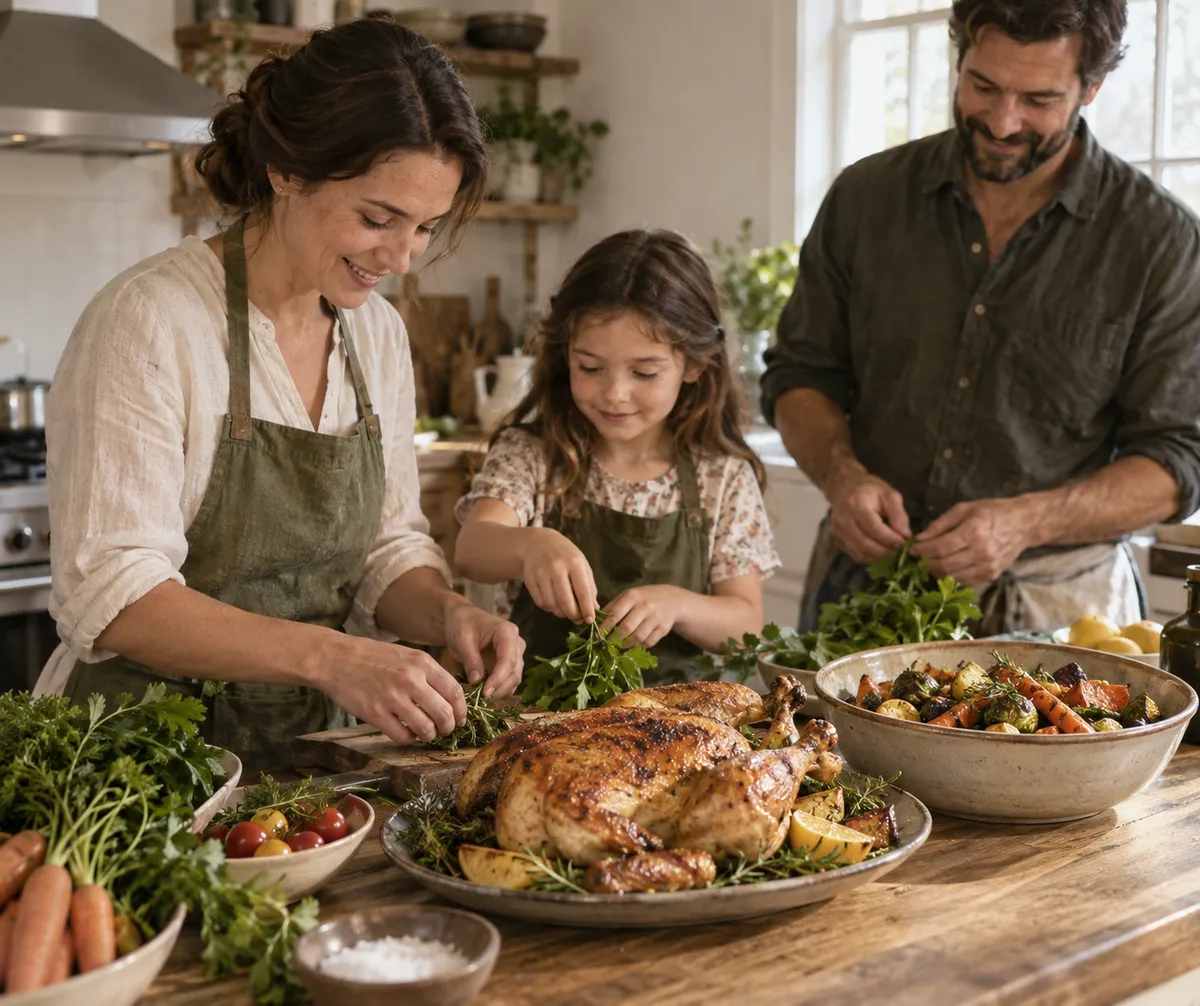
- Sunday prep hour. Everyone gets a job, whether washing produce, stirring a pot or packing containers.
- A shared snack plate after school. Apple slices, nut butter, olives and hard-boiled eggs, ready in the fridge so a caregiver or older sibling can set it out.
The point is that your kids know it's coming. Predictability is something you can give them even when your calendar isn't predictable.
Portable Lunches Count as Care
When you can't be at the table, food can still say you thought of them. Pack lunches the night before or batch them on prep day:
- Egg muffins baked with spinach and diced pepper (bake a dozen at 350°F for about 20 minutes)
- Chicken meatballs with a dipping sauce
- Cucumber rounds, grapes and a handful of nuts (check school nut policies first)
A small note tucked into the lunchbox costs nothing and takes ten seconds.
Let Older Kids Take a Turn
Teens and older children can own one meal a week. Give them a simple template, like a sheet-pan dinner or taco bowls, and let them choose the vegetables. It builds skills, lightens your load, and gives you something to talk about at the table.
The One Thing to Do This Week
Pick a single 90-minute window, cook one tray of protein and one tray of vegetables, and plan one shared meal you will actually protect. Skip the guilt about the rest. A modest meal where you're fully present beats an elaborate one where you're not.